AI's race to transform the world before the money runs out
Cumulative spending globally on data centers alone could top $30 trillion by 2050, according to a projection by PwC, almost matching the value of outstanding US Treasuries. It "dwarfs" what was spent in the railroad or dotcom booms, even after adjusting for inflation, PwC said.
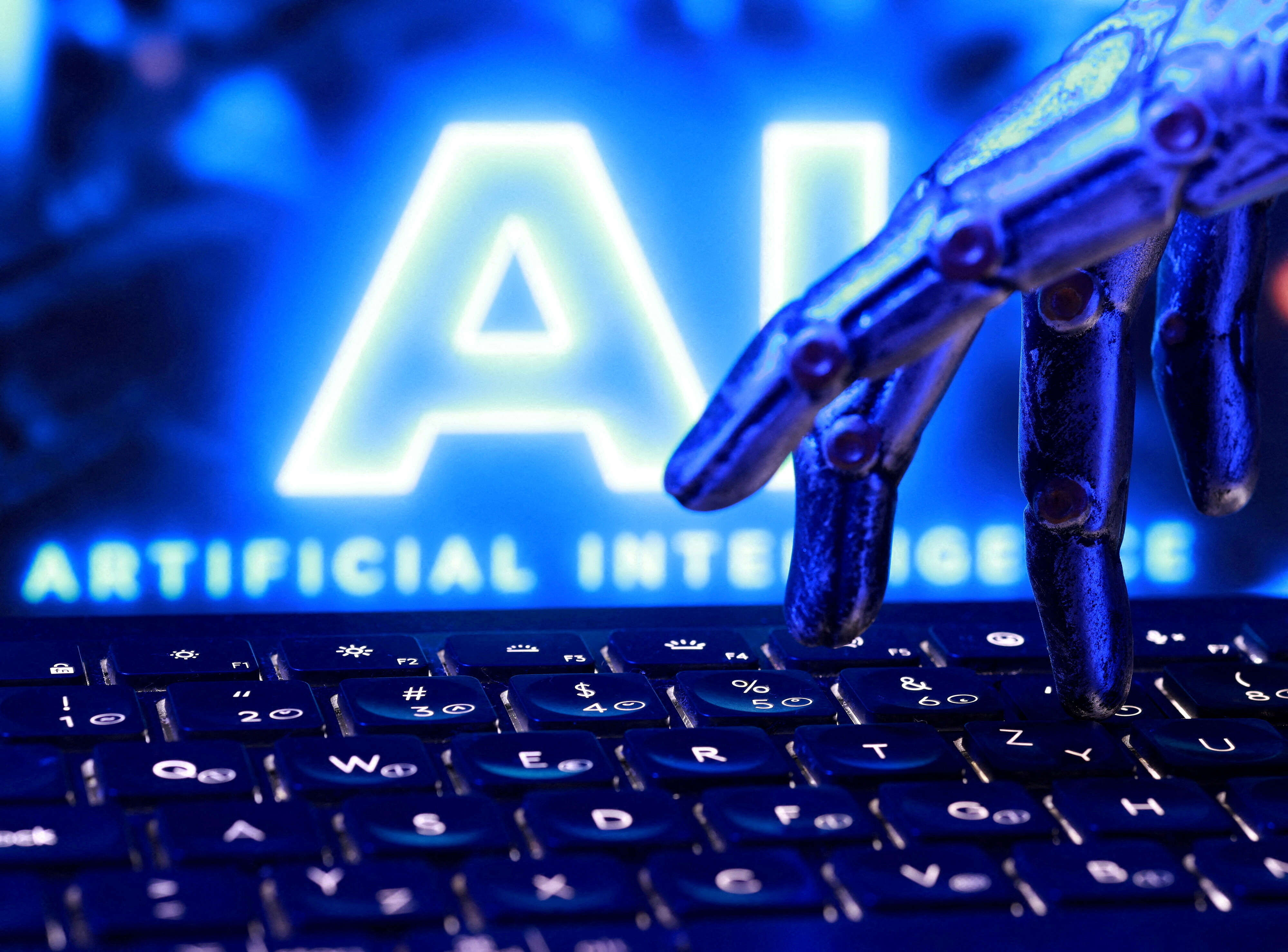
A massive influx of capital is pouring into artificial intelligence (AI), surpassing investments made in other transformative technologies like railways or the internet. Projected spending on data centers globally could exceed $30 trillion by 2050, dwarfing past booms even when adjusted for inflation. One major player in the AI race, Anthropic, plans to spend $518 billion in the coming years, more than 100 times its 2025 revenue.
While the potential for AI to revolutionize various sectors is undeniable, experts caution that the assumptions behind projected productivity gains and future profits lack solid evidence or historical precedent.
Productivity gains, a critical factor in justifying the massive investments in AI, have remained elusive. JP Morgan noted that broad-based productivity gains in the US, the leading AI nation, remain elusive, casting doubt on the sustainability of AI valuations. Bain & Company research suggests that entirely new markets must emerge to close the funding gap, with potential applications ranging from AI-guided robots to novel materials for batteries and semiconductors.
However, the question remains whether the necessary applications will arrive in time to fund these massive investments. Historical precedents indicate that technology-driven booms often end when infrastructure buildouts cease to deliver sufficient returns. Using Nvidia as an example, JP Morgan estimated that annual US productivity gains of 3% to 5% over the next 10 years would be required to justify its valuation, a significant increase from the current baseline of 1.75% expected by the US Congressional Budget Office.
The US is expected to invest around $9 trillion from 2025 to 2032, equivalent to 3.2% of its GDP annually. To achieve a 10% return on investment, the US AI sector would need to generate about $3.55 trillion in annual revenue by 2032, a fraction of its current output. Leveraged debt structures used in AI infrastructure funding mean that even a modest deterioration in demand or asset values could result in significant losses.
Despite the optimism surrounding AI, some experts argue that the pace of productivity gains might lag behind corporate expectations. Anthropic's Dario Amodei has suggested that an AI future could be "a thing of transcendent beauty," while OpenAI's Sam Altman has stated that the rate of new wonders will be immense as AI models learn to improve themselves.
Google DeepMind's chief strategy officer, Jasjeet Sekhon, emphasized the importance of recursive self-improvement in the AI investment thesis, claiming it could deliver unprecedented productivity gains. However, this potential comes with concerns about existential risks to humanity.
Economist Diane Coyle from Britain's Cambridge University notes that the productivity impact of past revolutionary technologies typically took 10 to 50 years to manifest, suggesting that the full economic impact of AI may not be realized for a considerable period. While AI has been shown to impact white-collar jobs by making certain tasks harder to perform, the overall employment situation remains strong.
However, researchers at Stanford University have observed a slowdown in early career hiring for white-collar positions, particularly in industries exposed to AI, such as accounting and legal services.
Written by urgent.news from Economic Times Tech's reporting — not their text. Machine-written — may contain errors; check the original before relying on it.
This story
This is one outlet's version. Read the fullest account.
- Analysis:AI's race to transform the world before the money runs out channelnewsasia.com
- AI’s race to transform world before the money runs out gulf-times.com
- Analysis-AI’s race to transform the world before the money runs out investing.com
- AI’s race to transform the world before the money runs out brecorder.com
- AI’s race to transform the world before the money runs out japantimes.co.jp