Wisconsin diver finds 17-foot canoe in lake; tests show it is 1,000 years old
A fascinating discovery was made by diver Mark Schachtner: an ancient dugout canoe dating back about 1,000 years in Pewaukee Lake. In partnership with Native Nations, the Wisconsin Historical Society is carefully documenting this important archaeological treasure. Researchers have assessed its condition and theorized its submersion history. This find not only contributes to Wisconsin's storied…
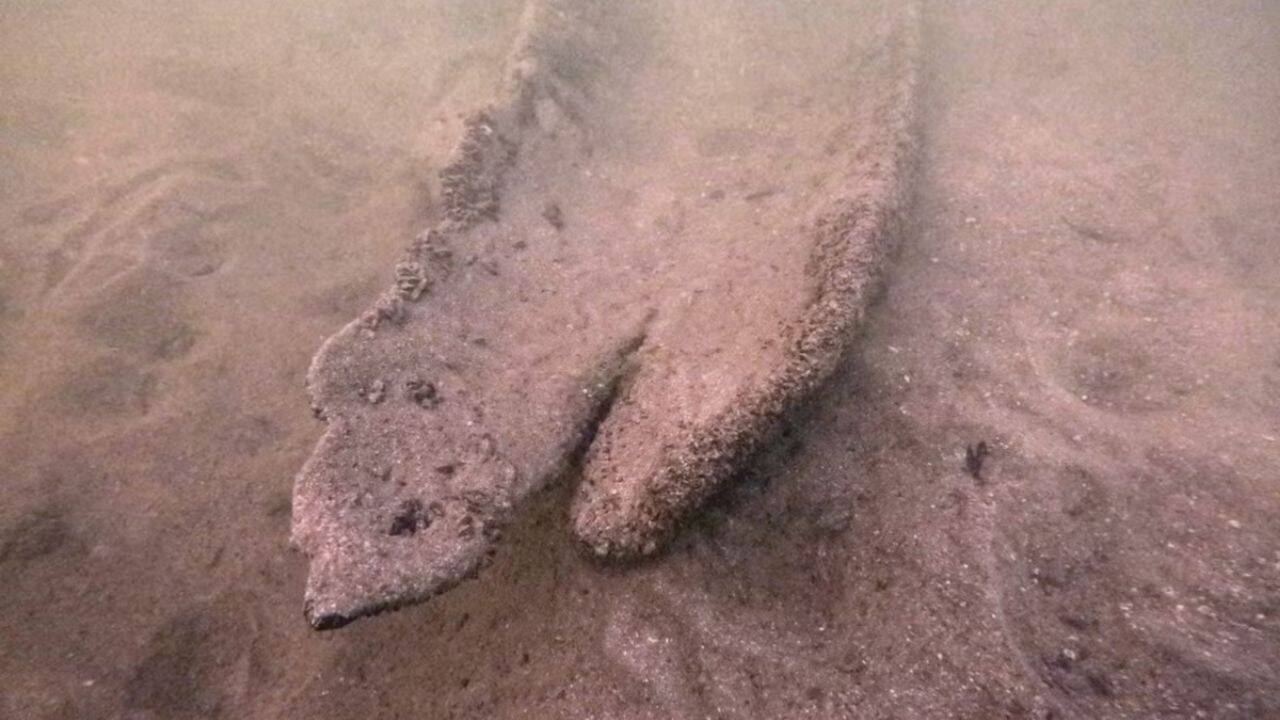
A diver in Wisconsin stumbled upon a remarkable archaeological find while searching for old bottles in Pewaukee Lake. Mark Schachtner, a seasoned diver with the Four Seasons Dive Club, spotted a 17-foot dugout canoe partially buried in the lakebed in May. Radiocarbon dating has since confirmed that the vessel is approximately 1,000 years old, dating back to the Late Woodland period around A.D.
992-1049. The canoe is constructed from white oak and is considered the oldest human-made object discovered by Schachtner, who previously found a fossil in another lake.
The Wisconsin Historical Society is collaborating with Native Nations and archaeological experts to investigate and document the discovery, with the canoe remaining submerged in its original location. The vessel's condition suggests it was intentionally submerged and covered with sediment, a practice commonly employed by Indigenous peoples to preserve and store large wooden canoes that were difficult to transport over land.
The canoe's discovery adds to Wisconsin's growing collection of ancient dugout canoes, which now includes half of the top 10 oldest canoes in eastern North America. The Wisconsin Historical Society plans to consult with Native Nations, including the Ho-Chunk Nation, before taking any action regarding the canoe, prioritizing respect for Indigenous heritage and ancestral sites.
Written by urgent.news from Times of India's reporting — not their text. Machine-written — may contain errors; check the original before relying on it.