Why I Bring My Kids to Vote with Me
My kids can’t vote yet, but I’m teaching them why their voices matter, writes Jeanette Senecal.
Every election, journalist Finn Gomez brings her children to the polls with her. Her 11-year-old and 9-year-old daughters are old enough to understand the significance of voting and to ask plenty of questions about the process. As a long-time volunteer at the League of Women Voters, Gomez believes that children should grasp the power they have to influence decisions that shape their lives.
Even though her kids can't vote yet, they are still affected by the choices made by elected officials. These officials manage funding for schools, parks, playgrounds, libraries, and other community resources that directly impact her children's daily lives. Furthermore, the safety of bike lanes, roads, and other infrastructure is also determined by elected leaders.
Gomez believes that kids should understand how decisions are made and how they can have a say in the future. By bringing her children with her to vote, rallies, and community meetings, Gomez wants her kids to experience what democracy looks like in action. She wants them to see that participating in democracy is a normal part of being a member of a community.
While voting is essential, it's not the only way to use one's voice in democracy. Other methods include learning about issues, asking questions, contacting elected officials, speaking up at school board or city council meetings, organizing with others who share similar interests, and eventually voting when one is eligible. Gomez emphasizes that teaching children about democracy involves more than just telling them what to think or whom to vote for.
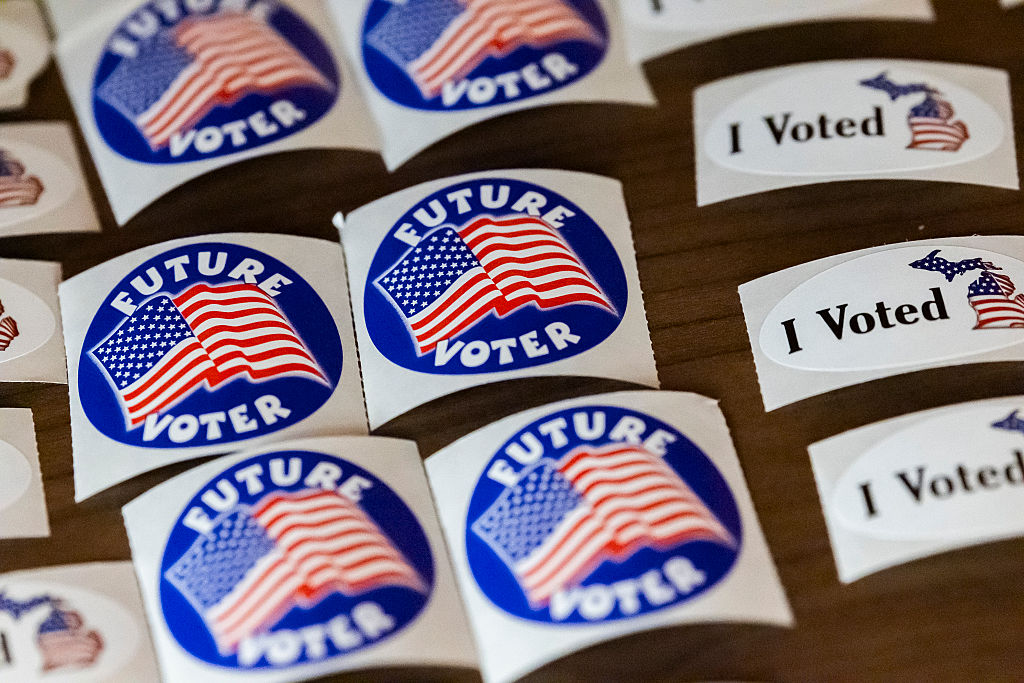
Instead, she wants her children to grow up asking questions, seeking reliable information, listening to others, and forming their own conclusions. When they receive their "future voter" stickers, Gomez hopes her kids will not only see the moment as exciting and momentous but also familiar. She wants them to know how to access reliable information, ask questions, and understand that they don't have to agree with everyone on every issue.
Most importantly, Gomez hopes her children will grasp the power of their voice and how to utilize it to shape the world they want to live in. This includes reminding them that they don't have to be passive observers in their own lives. They have the potential to learn, participate, speak up, and eventually vote for the kind of world they want to live in.
Written by urgent.news from Time's reporting — not their text. Machine-written — may contain errors; check the original before relying on it.