Who has jurisdiction over the flydubai incident?
LETTER: A reported cockpit assault aboard flydubai flight FZ1073 on Sept 30, 2026, may have begun as a violent confrontation at over 9,000 metres. Legally, however, its consequences stretch across three countries.
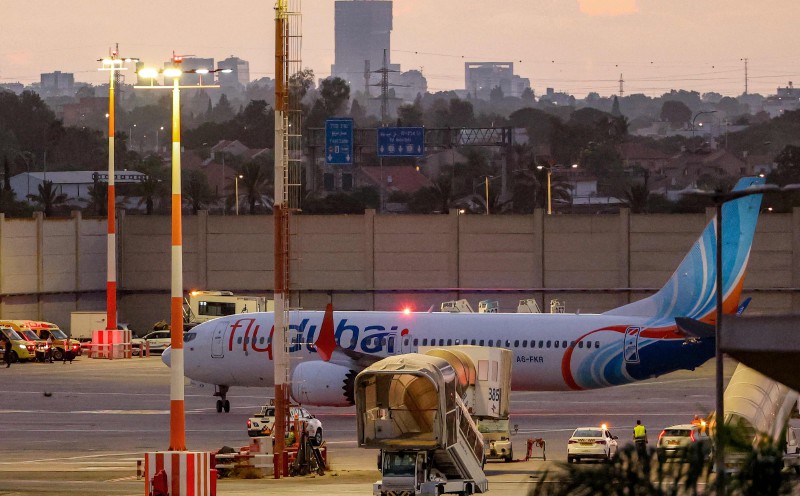
The flydubai incident involving a cockpit assault that occurred during a flight from Dubai to Tabuk, Saudi Arabia, presents a complex legal jurisdictional question. The incident took place in Saudi airspace, granting Saudi Arabia territorial jurisdiction under the 1944 Chicago Convention. Additionally, the aircraft was registered in the United Arab Emirates (UAE), which, according to the 1963 Tokyo Convention and the 1971 Montreal Convention, has jurisdiction over offences committed aboard its registered aircraft.
This creates a dual jurisdiction scenario. Furthermore, the injured captain is reportedly Indian, and international law recognizes the passive personality principle, which may allow India to exercise jurisdiction over certain offences committed against its nationals abroad. However, nationality alone does not automatically make India the lead investigating state.
Instead, the investigation is likely to involve cooperation among the three countries, with Saudi Arabia having the most obvious territorial connection, the UAE having registration jurisdiction, and India providing consular assistance and protection for its national. The complexities of international aviation law in this case suggest that overlapping jurisdictional interests will likely govern the resolution of the incident.
Brief written by urgent.news from New Straits Times's own syndicated text. Machine-written — may contain errors; check the original before relying on it.