What Netflix's 1st decade in Korea means for future growth of K-content
It has been 10 years since Netflix entered the Korean market. After moving beyond the days when streaming platforms were unfamiliar, Netflix has become deeply embedded in everyday life. Over that decade, the way Korean content is produced and the way overseas markets view it have both changed. The globalization of Korean content and the term “K-content” are no longer unfamiliar. In that sense,…
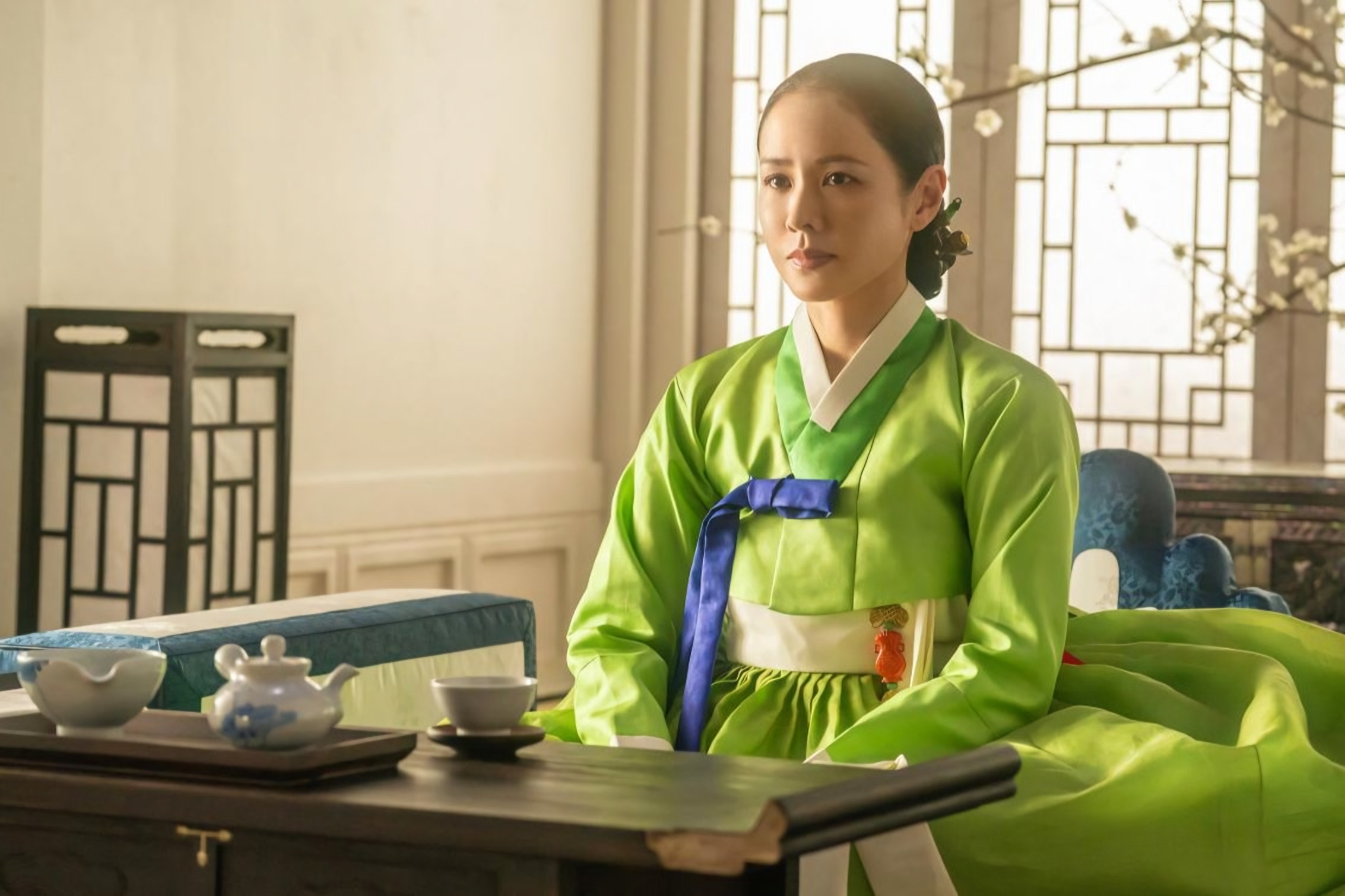
Ten years ago, Netflix entered the Korean market, a decade that has seen a profound transformation. No longer a foreign concept, streaming platforms have seamlessly woven themselves into the fabric of Korean life. This evolution has rippled through the production of Korean content, as well as how the world perceives it. The term "K-content" has become commonplace, affirming the global reach of Korean culture.
Over the past decade, Netflix's presence has been instrumental in diversifying the landscape of K-content. Ten years ago, the platform offered a limited selection, a far cry from today's abundant offerings. The emergence of unconventional projects, such as Bong Joon-ho's "Okja" in 2017, exemplifies this shift. This film's daring narrative, revolving around a corporate entity and a genetically engineered creature, would have been challenging to conceive under traditional models.
It stands as a testament to Netflix's role in broadening the scope of storytelling within the Korean entertainment industry.
Written by urgent.news from The Korea Times's reporting — not their text. Machine-written — may contain errors; check the original before relying on it.
This story
This is one outlet's version. Read the fullest account.
- What Netflix's 1st decade in Korea means for future of K-content koreatimes.co.kr