The boys from Brazil
The importance of tomorrow’s election in Brazil can be overrated or underestimated with equal ease. Yet the apparent deadlock between the two extremes is not immune to several variables, including turnout. Leer más
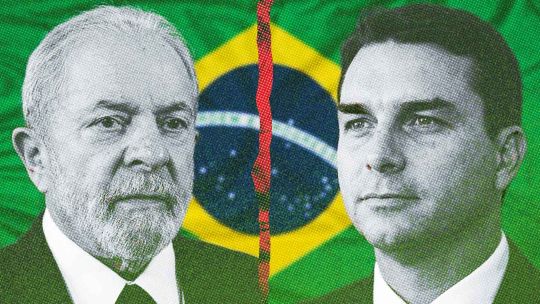
The upcoming Brazilian election is crucial, as it can easily be perceived as either insignificant or significant, given its potential impact on South America's role on the global stage. The United States and China each have strong preferences in the contest – the US backing far-right candidate Flávio Bolsonaro, while China supports incumbent President Luiz Inácio Lula da Silva. However, the picture becomes more complex upon closer examination.
Jair Bolsonaro's son, Flávio, would likely be pleased by a victory for his father, as it would solidify the far-right's dominance in the region. Nevertheless, this would also alter the current status quo, replacing Trump's sole G20 ally in the hemisphere with Bolsonaro. Despite Trump's recent lack of interest in Brazilian affairs, it is unlikely that Bolsonaro would sever ties with the BRICS alliance, as his agricultural sector is too crucial to the economy.
Chinese investments have also begun expanding beyond infrastructure projects into the industrial sector.
While the election might appear to be a simple choice between two extremes, several factors could influence the outcome. Voter turnout could play a pivotal role, as it might be more decisive than the votes cast. Additionally, there are many anti-Lula centrists who might vote for Bolsonaro despite disapproving of him, or they may abstain from voting altogether.
The evangelical vote, which now makes up about a third of Brazil's population, is predominantly supportive of Bolsonaro, but poorer Brazilians struggling with poverty and debt may find themselves torn between Lula's promises and their religious beliefs. These factors include a 15% increase in the Bolsa Familia poverty relief program, debt relief initiatives, a ban on online betting, and fuel price interventions.
Argentina's economic struggles might not be mirrored in Brazil, as markets are more favorable towards Bolsonaro. However, big business has shown a level of accommodation with Lula's government, and there is no apparent reason to expect financial or monetary instability if Lula wins re-election. The presidential election's outcome will have a significant impact on the relationship between Brazil and Argentina, currently strained by tensions between the two nations.
Ultimately, the result will depend on the decisions of Brazil's 159 million voters as well as the political fortunes of US President Donald Trump in the upcoming midterm elections.
Written by urgent.news from Buenos Aires Times's reporting — not their text. Machine-written — may contain errors; check the original before relying on it.