South Africa fossils include 2-million-year-old adult Homo erectus
Researchers have described 18 previously unpublished hominin fossils from South Africa, including an adultHomo erectusfossil dated to 2 million years ago. The findings support the species’ first appearance in southern Africa at that time and provide evidence of microevolution inP. robustus.
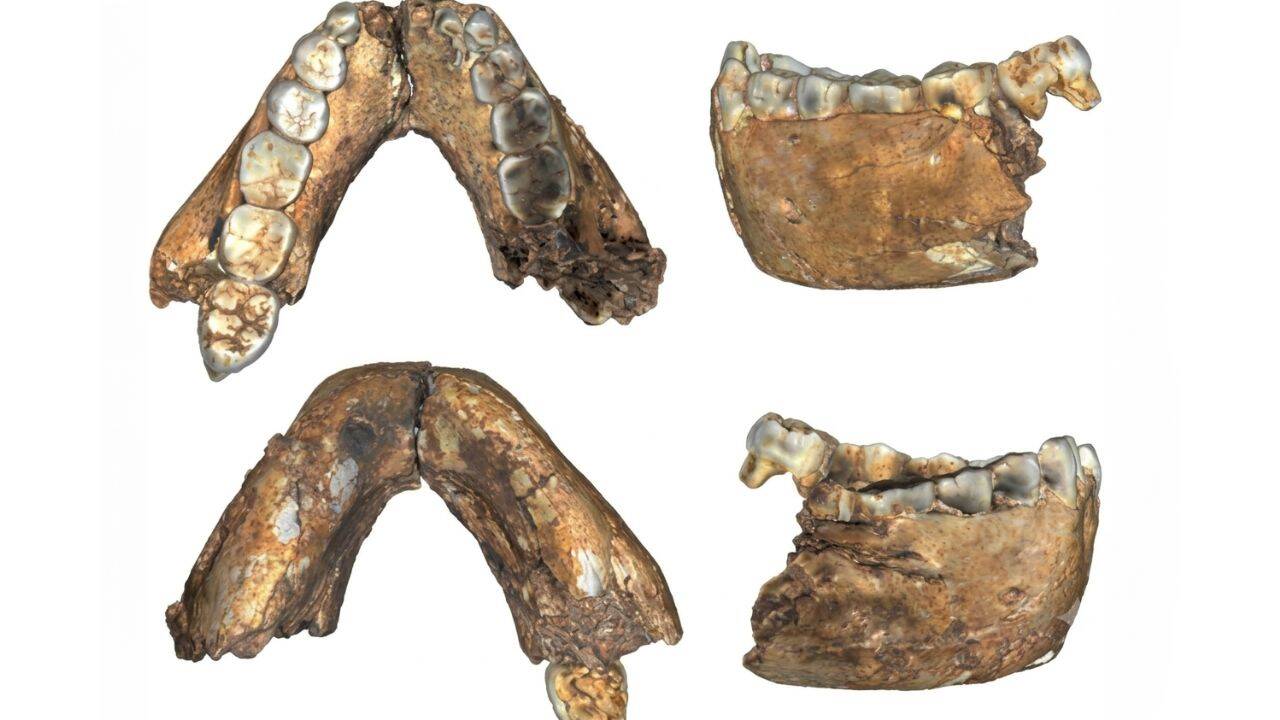
Researchers have uncovered 18 previously unpublished hominin fossils from South Africa's Drimolen Main Quarry, adding to the site's status as one of the richest deposits of human ancestors in the world. Among the fossils is a 2-million-year-old adult Homo erectus specimen, which is 200,000 years older than previously known adult Homo erectus fossils elsewhere in the world. This new discovery provides further confirmation that Homo erectus first appeared in southern Africa around 2 million years ago.
The findings, published in Annals of Human Biology, were part of a larger study by La Trobe University archaeologists and researchers from South Africa and the United States. The adult Homo erectus fossil, identified as DNH 127, fills an important gap in the hominin fossil record. Previously, the only evidence of an adult Homo erectus had come from a child fossil, DNH 134, estimated to be between two and four years old.
The new adult fossil allows researchers to better understand the physical characteristics of Homo erectus at the time of its first appearance.
The study also examined fossils of Paranthropus robustus, another hominin species found at Drimolen. The researchers observed that P. robustus developed larger teeth and chewing muscles between 2 million and 1.8 million years ago, likely in response to changes in their diet and the way they processed food. While Homo erectus evolved larger brains and smaller molar teeth, P. robustus retained a slightly larger brain size and developed very large molar teeth, comparable to a mortar and pestle used for processing tough and hard foods.
The researchers found that P. robustus outnumbered Homo erectus at Drimolen by more than 10 to one 2 million years ago. However, by the time Homo erectus and the lineage leading to modern humans were the successful species, P. robustus had already become outnumbered. This new information sheds light on the changes that occurred over the 200,000-year period between the fossils found at Drimolen and those from the 1.8-million-year-old Swartkrans cave.
Written by urgent.news from Times of India's reporting — not their text. Machine-written — may contain errors; check the original before relying on it.