Scientists revive 160-million-year-old proteins to fight drug-resistant bacteria
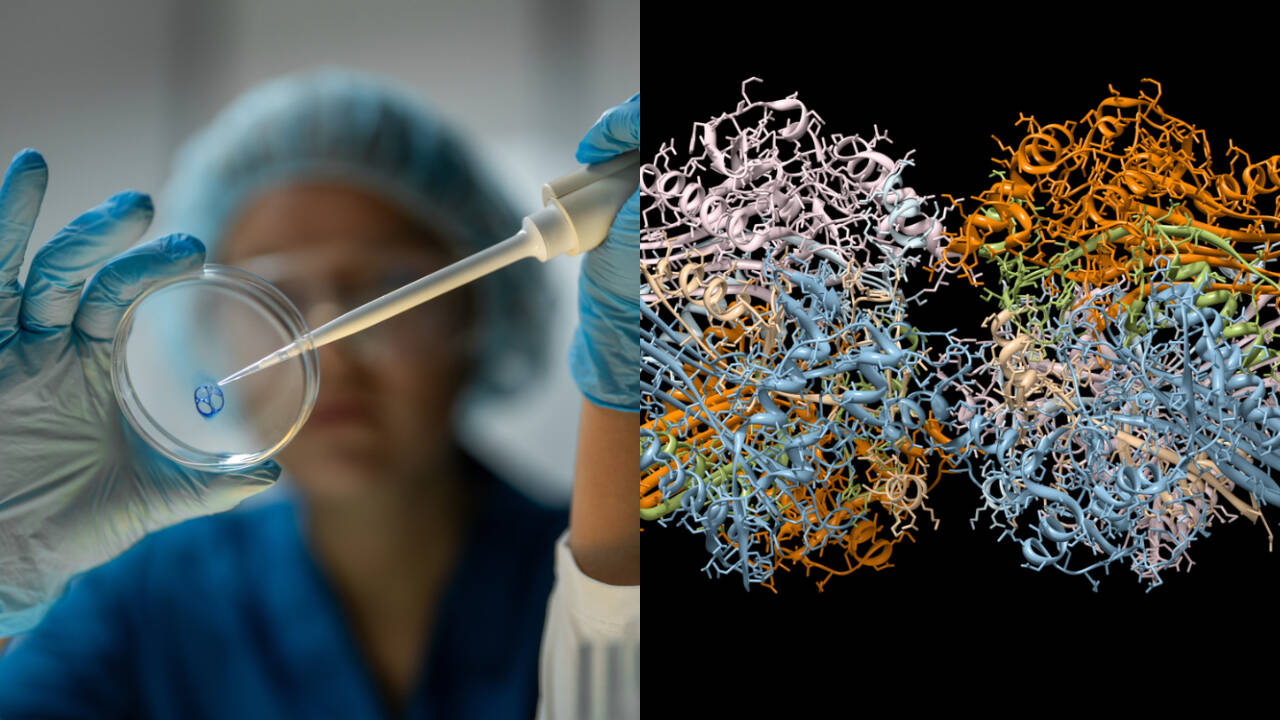
Scientists are exploring a unique source for the next wave of infection-fighting drugs: proteins that existed 160 million years ago. Researchers at the University of Oregon reconstructed these ancient proteins and discovered that some of their antimicrobial fragments could be more effective than modern human counterparts against drug-resistant bacteria, according to a Science Daily report.
The study, published in PLOS Biology on August 25, sheds light on how nature has refined its defense mechanisms over millions of years, potentially offering new strategies for treating infections that have become resistant to conventional antibiotics.
The focus of the research was lactoferrin, an immune protein found in various body fluids like breast milk, tears, saliva, and intestinal mucus. While lactoferrin is primarily known for binding iron to starve bacteria, it also possesses a short antimicrobial peptide that can damage bacterial membranes, creating holes that can harm or kill microbial cells. Scientists aimed to uncover when this antimicrobial ability emerged and how it evolved as mammals, including humans, developed.
By analyzing genetic sequences from living organisms, including humans and cows, the team traced the evolutionary relationships of lactoferrin and used ancestral sequence reconstruction to predict the protein's gene structure millions of years ago. These predicted genes were synthesized and expressed as proteins in the lab. When tested against various bacteria responsible for human diseases, including Pseudomonas aeruginosa, Staphylococcus aureus, Escherichia coli, and Streptococcus, the older reconstructed peptides demonstrated better antibacterial properties.
Some versions from more recent mammalian ancestors were even more effective than corresponding modern human peptides.
One of the most striking findings was that a single genetic mutation could significantly enhance a peptide's ability to attack bacteria. This discovery underscores how small evolutionary changes can dramatically alter biological functions over time. While the findings do not suggest that ancient peptides can directly replace antibiotics, they may serve as blueprints for developing new molecules.
The study's insights into the evolution of antimicrobial defenses could help researchers design treatments that complement existing antibiotics and anticipate bacterial resistance to new antimicrobial agents, offering a promising avenue in the ongoing battle against drug-resistant infections.
Written by urgent.news from Times of India's reporting — not their text. Machine-written — may contain errors; check the original before relying on it.