Americans often fail to notice when Democrats and Republicans are moving in the same direction
We often overestimate how divided our political opponents are from us. New research shows that highlighting shared trajectories of opinion change can soften partisan animosity, provided we don't dwell on today’s existing political gaps.
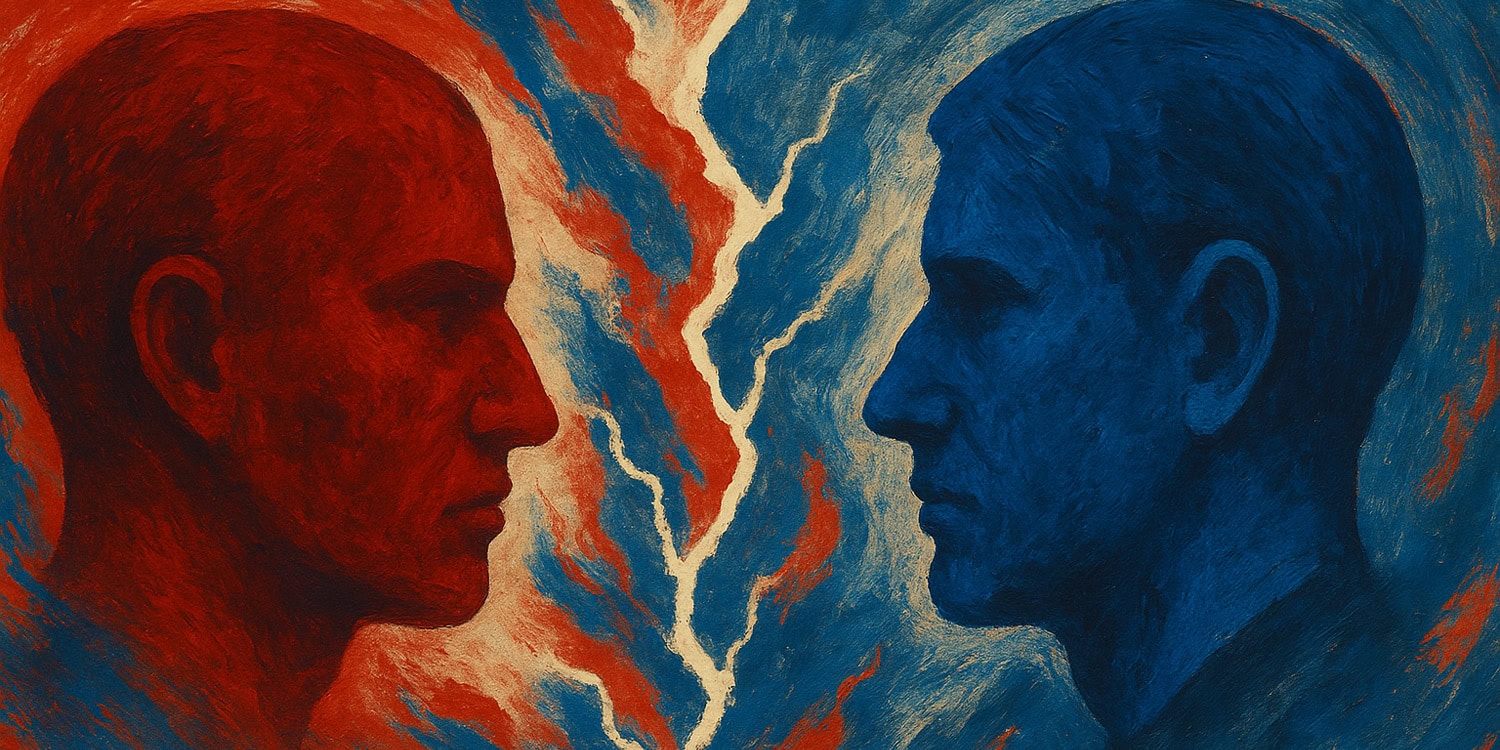
A recent study in Political Psychology suggests that people often fail to recognize when both Democrats and Republicans are moving in the same direction on certain social issues. When people read about these shared opinion changes without being reminded of the current political gap, they tend to expect more future common ground and express slightly warmer feelings toward their opponents. The researchers aimed to investigate whether correcting such misperceptions could reduce partisan hostility.
In the first study, 368 participants from both parties estimated current support and changes for 12 social issues that were actually on the rise in both parties. They found that participants systematically underestimated attitude change, with only about half of the estimates accurately recognizing that support was increasing. Misperceptions were especially pronounced when evaluating Republicans, with only 25% of Democrats and 44% of Republicans accurately estimating Republican attitude changes.
The researchers suggest that people may expect Democrats but not Republicans to move leftward. They also found that recognizing these trends correlated with warmer attitudes toward the opposing party on a 0-to-100 scale, holding after accounting for accuracy about current support. The authors emphasize that while political disagreement is real, our perceptions of it are often inaccurate and we may be particularly bad at noticing when attitudes are changing.
To test if correcting these misperceptions could help, the researchers conducted a third study with 1,154 partisans. They randomly assigned participants to a dynamic norm condition (featuring both past, current support levels, and percentage-point increases over time), a static norm condition (showing only current support levels), or a control condition with apolitical topics.
The dynamic norm message predicted that participants would expect more future common ground between parties compared to the control group. However, the current support levels combined with the trend data did not result in broader positive changes in attitudes toward the opposing party, such as increased warmth or expectations of belonging.
The authors suggest that mentioning current support levels alongside the trend may have inadvertently reminded participants of existing gaps between the parties.
Written by urgent.news from PsyPost's reporting — not their text. Machine-written — may contain errors; check the original before relying on it.