How US-China RISC-V collaboration is deepening despite chip rivalry
As global adoption of the open-source RISC-V chip architecture accelerates, US intellectual property provider MIPS is collaborating with Chinese firms at an unprecedented level, according to a senior executive, highlighting how cross-border cooperation persists despite intense tech rivalry between Washington and Beijing. MIPS, which was acquired by US chipmaker GlobalFoundries last year, was…
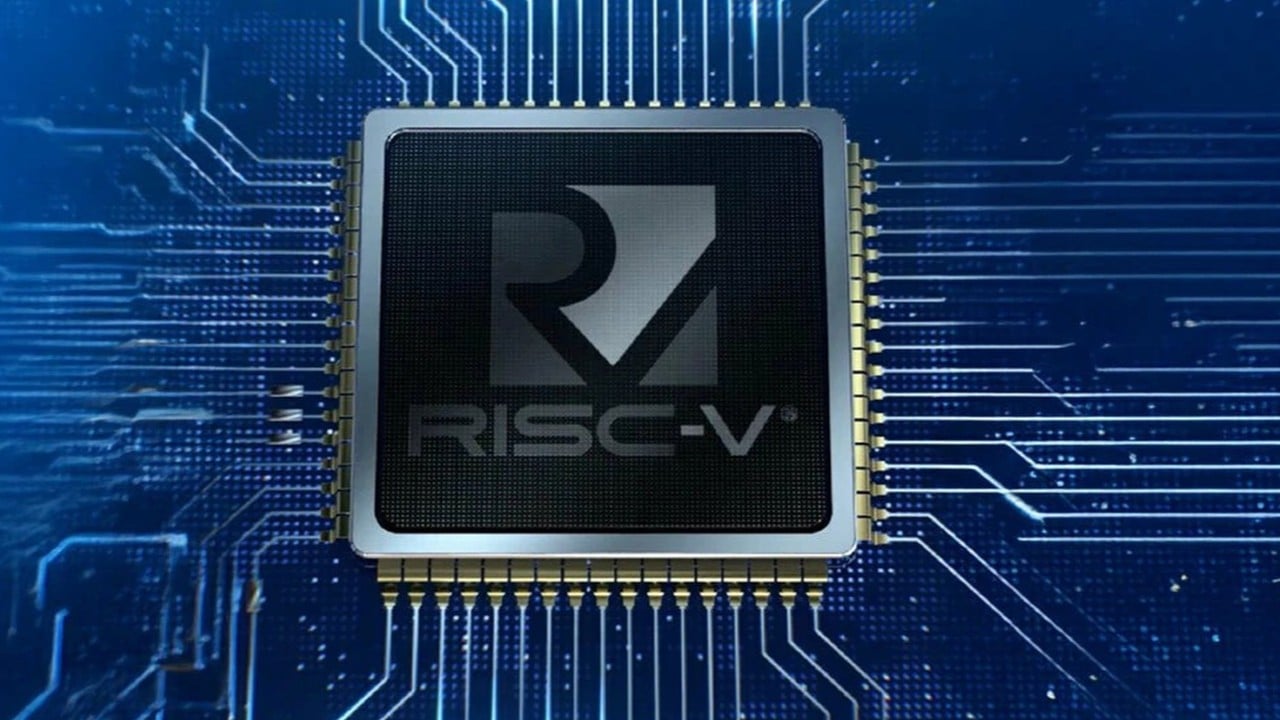
As RISC-V chip architecture gains global traction, US firm MIPS is forging unprecedented collaborations with Chinese entities, defying their tech rivalry, a senior MIPS executive revealed during a September media briefing in Shanghai. MIPS, now a part of US chipmaker GlobalFoundries since its acquisition last year, was closely coordinating RISC-V standardisation efforts with Chinese firms, according to CTO Yankin Tanurhan.
This collaboration is one of many under the umbrella of RISC-V International, uniting global stakeholders, including US, European, and Chinese players, as well as academia, in standardising technologies ranging from AI to microcontrollers and data centre servers.
Tanurhan's remarks echoed those of Qi Xiaoning, a prominent chip expert at Alibaba Group Holding, another major player in China's fast-growing RISC-V sector. Alibaba's research arm, Damo Academy, is actively involved in China's RISC-V initiatives. Both executives highlighted the surge in cross-border cooperation, with major global companies working together on RISC-V open-standard chips for edge and cloud applications.
RISC-V, a fifth-generation reduced instruction set computer architecture, has gained popularity in China due to its free and open nature, providing a way for Beijing and domestic firms to lessen their dependence on foreign architectures like Intel's x86 and Arm. The technology is now expanding beyond niche applications such as automotive components and IoT devices into next-generation computing and physical AI.
Eswin Computing Technology, a Beijing-based firm, is set to become the first pure-play RISC-V chipmaker to list on the Hong Kong stock exchange in October, signalling confidence in the commercial viability of open-source chips. The architecture's growth rate has surpassed both x86 and Arm due to its openness, energy efficiency, cost-effectiveness, and customizability, according to Eswin's vice-president and chief marketing officer, Liu Shuai.
MIPS also reported significant progress in high-performance computing with its RISC-V platform achieving mass production in AI data centres, with 13 of the world's top 15 AI and data centre infrastructure chip suppliers among its customers. The company noted that its Chinese clients, who initially developed RISC-V chips for ADAS, have adapted the designs for humanoid robotics.
Tanurhan emphasised the robust testing ground and application ecosystem in China, particularly in humanoid robotics development. Beijing has also boosted policy support for RISC-V, designating chip development as a core pillar of China's 15th five-year plan for electronics and information technology. Despite market competition, MIPS maintains strong talent ties with its Chinese peers, preserving its competitive advantage through global reach and scale.
Written by urgent.news from SCMP Tech's reporting — not their text. Machine-written — may contain errors; check the original before relying on it.
This story
This is one outlet's version. Read the fullest account.