How states’ laws are struggling to keep up with AI election deepfakes
Imagine watching a political campaign video in which a candidate admits to taking a bribe. You recognize the face and voice. But the confession is entirely fabricated, thanks to artificial intelligence . Now imagine that your state has passed a law against these AI-generated election deepfakes . Would that mean the video has to be removed from the airwaves? In its June 2026 report, the National…
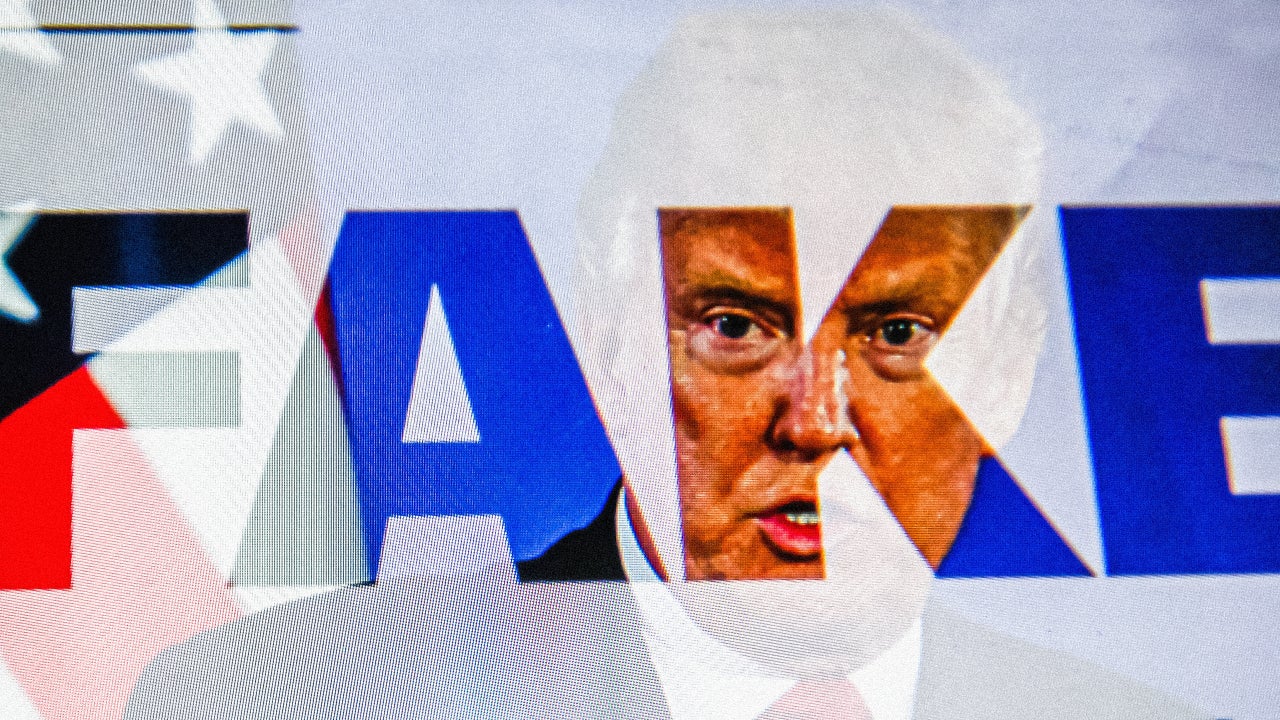
As political campaigns increasingly utilize artificial intelligence to fabricate deceptive content, states across the United States are racing to draft legislation to address this emerging issue. According to a June 2026 report by the National Conference of State Legislatures, 31 states have enacted laws targeting AI-generated election deepfakes. However, the scope and effectiveness of these laws vary significantly.
Most states require disclosure when AI is used to manipulate election-related content, with the intent of informing voters about the use of artificial technology. Yet, in some states, a simple warning may be sufficient to allow the dissemination of the deepfake, even if its content is false. For instance, in Louisiana, a warning can suffice for political ads that falsely purport to feature a candidate saying or doing something they never did, provided the ad falls within certain parameters.
Maryland, on the other hand, takes a stricter approach, prohibiting specific types of deceptive deepfakes even when accompanied by a warning. The penalty for violating Maryland's law can be severe, including fines up to $5,000 and up to five years in prison.
Despite these legal provisions, the practical enforcement of these laws remains a challenge. Violators may face financial penalties and imprisonment, but the burden of prosecution typically falls on local district attorneys, who have discretion in pursuing charges. Moreover, the effectiveness of these laws is further complicated by the evolving nature of AI technology and the difficulty in consistently detecting and preventing deceptive content from being disseminated.
In the upcoming 2026 midterm elections, the question for voters becomes whether these legal measures provide adequate protection against AI-generated election deepfakes. While some states have enacted laws that require warnings or prohibit certain types of deceptive content, the reality remains that these measures may not always prevent the spread of misleading information.
The reliance on warnings may influence voter skepticism, but it does not guarantee that such content will be removed or that voters will adjust their voting behavior accordingly. As AI technology continues to advance, the need for comprehensive and enforceable legislation to combat election deepfakes becomes increasingly apparent.
Written by urgent.news from Fast Company's reporting — not their text. Machine-written — may contain errors; check the original before relying on it.