Googlebooks are bringing Gemini Intelligence to premium laptops, but is the cost worth it for these Android based-devices compared to Chromebooks?
I compare Googlebooks vs Chromebooks to see the main differences, weigh up the use cases, the price-to-performance, and whether or not an upgrade to the new ecosystem is worthwhile or not.
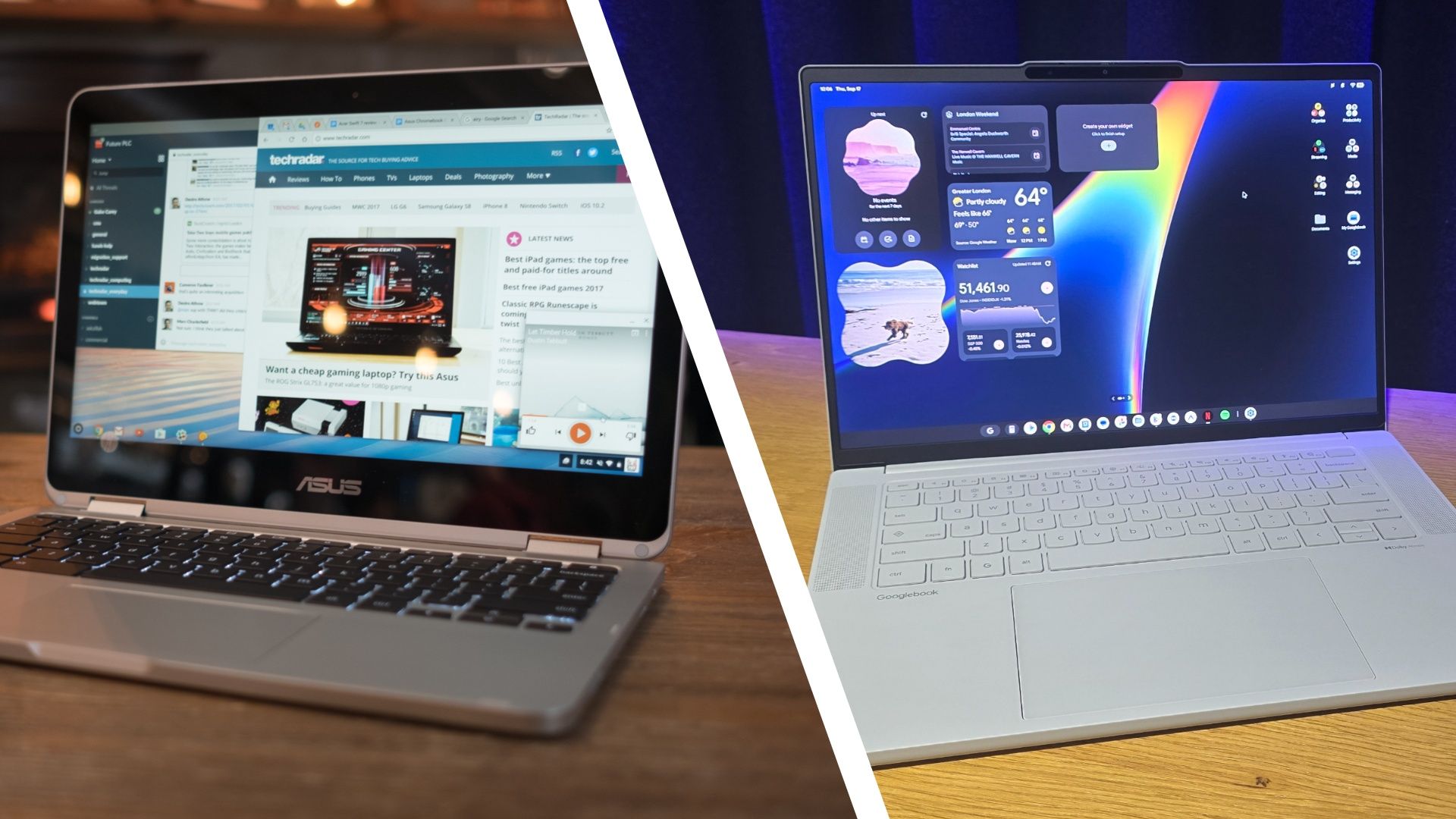
Googlebooks are making waves by introducing Gemini Intelligence to premium laptops, but it remains to be seen if the increased cost is justified for Android-based devices compared to more budget-friendly Chromebooks. The recent announcement of Googlebooks, which are AI-powered machines, presents a new challenge to the traditional laptop market.
Gemini Intelligence is the main selling point of these devices, powered by Android/Linux hybrid OS and running on high-performance hardware like Intel Core Ultra and Qualcomm Snapdragon X Elite processors.
Initially, Googlebooks are priced at the higher end, with models like the Lenovo Google 15 and Asus Googlebook 14 starting at $899 / £999 to $1,299 / £1,199. On the other hand, Chromebooks have always been known for their affordability, with popular models like the HP Chromebook 14, Samsung Galaxy Chromebook Plus, and Lenovo Chromebook Plus 14 ranging from $249 to $599.
Although there have been some expensive Chromebooks in the past, they haven't managed to break into the ultrabook market due to their reliance on web-based operating systems.
When comparing Googlebooks and Chromebooks, the main differences lie in their price, OS, app support, and hardware. Googlebooks boast powerful processors and hardware-accelerated AI workloads, making them suitable for users who require high-performance AI capabilities. In contrast, Chromebooks focus on providing a cost-effective solution for light users, leveraging their web-based operating system to deliver reliable performance at a fraction of the cost.
Ultimately, the decision between Googlebooks and Chromebooks rests on individual needs and budget. If you prioritize AI-accelerated workloads and are willing to invest in a high-end device, Googlebooks could be the right choice. However, for those seeking a more budget-friendly, lightweight laptop for everyday use, Chromebooks remain a strong contender.
Written by urgent.news from TechRadar's reporting — not their text. Machine-written — may contain errors; check the original before relying on it.