From gold consumer to global powerhouse: How India refines, designs, and dominates
India’s true global influence stems not from pulling ore out of the ground, but from what happens after imported bullion arrives at its ports
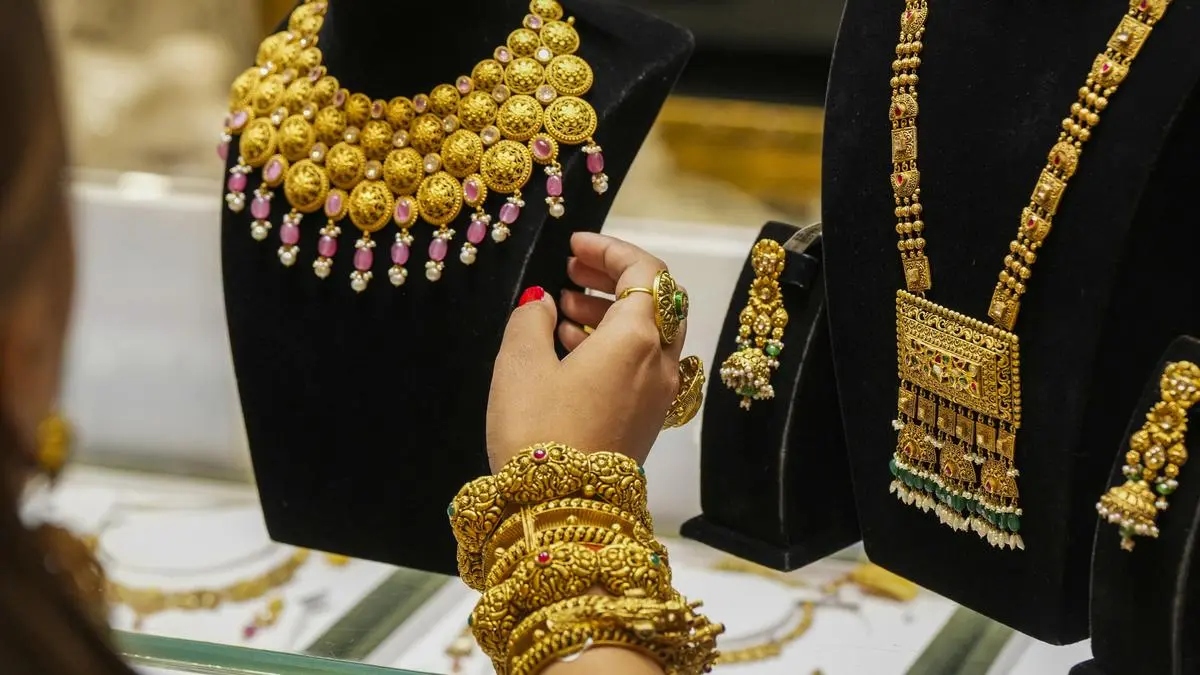
When discussing India's relationship with gold, people often picture lavish weddings, festive purchases during Dhanteras, or generations-old family vaults. India is a significant consumer, absorbing around 700 to 800 tonnes of physical gold annually. This accounts for nearly 15% of global gold demand (768 tonnes) and roughly 28% of global jewellery demand (430.5 tonnes).
However, reducing India to merely a giant recipient of the world's precious metals overlooks its real impact. India imports gold worth approximately $59 billion annually, a substantial portion of its import balance, second only to crude oil. This import is not merely an economic cost; it serves as a vital input for a massive, export-focused manufacturing sector.
India processes over 90% of the world's cut and polished diamonds, contributing to about a quarter of global diamond exports. The story of a single piece of Kundan or Polki jewellery in Jaipur illustrates this. In a Jaipur workshop, a master craftsman, employing generations-old techniques, sets gemstones in pure gold foil. Today, this artisan works alongside advanced technology like laser soldering systems and 3D wax printers.
These modern tools enhance the precision and speed while maintaining the traditional human touch. As global consumers demand ethical supply chains and verified provenance, the Indian jewellery industry is adapting. It is no longer enough to offer a beautifully finished ring; buyers seek information about the gold's refinement process, ESG credibility, and ethical sourcing.
Indian manufacturers are increasingly adopting digital traceability tools, blockchain verification, and international quality certifications, transforming responsible sourcing into a key selling point. Furthermore, the industry is shifting from backend contract manufacturing to front-end brand building. While Indian facilities have crafted exquisite pieces for luxury brands outside India, the next logical step is to establish domestic Indian brands with global retail footprints.
This move aims to capture higher margins associated with brand equity, design intellectual property, and direct customer relationships. India's competitive advantage in the global market lies not in owning vast gold reserves or operating deep mines, but in its unmatched ability to refine, cut, design, and add value to every gram of metal entering its borders.
The future of India's gems and jewellery trade will be measured by the country's efficiency in transforming imported raw materials into high-margin, tech-enabled, globally recognized luxury products.
Written by urgent.news from Hindu BusinessLine's reporting — not their text. Machine-written — may contain errors; check the original before relying on it.
This story
This is one outlet's version. Read the fullest account.
- India can sustain around 7% growth despite global concerns: Nilesh Shah economictimes.indiatimes.com