Færre førstegangskjøpere i Oslo
– Tydelig varsel om at kjøpekraften ikke strekker til, sier boligtopp.
Despite a plethora of properties on the Oslo real estate market, the number of first-time buyers declined by 10 percent in the first half of 2026, according to a report from the Norwegian Property Intermediaries Association (NEF). The association attributes the downturn to the impact of high interest rates on young buyers in the country's most expensive housing market.
Carl O. Geving, NEF's managing director, points to rising interest rates as the primary cause, stating that when first-time buyers step back despite the abundance of small properties, it signals that purchasing power is insufficient. High interest rates hit hardest where capital needs are greatest. In Oslo, the hurdle to purchasing one's first home has become exceptionally high.
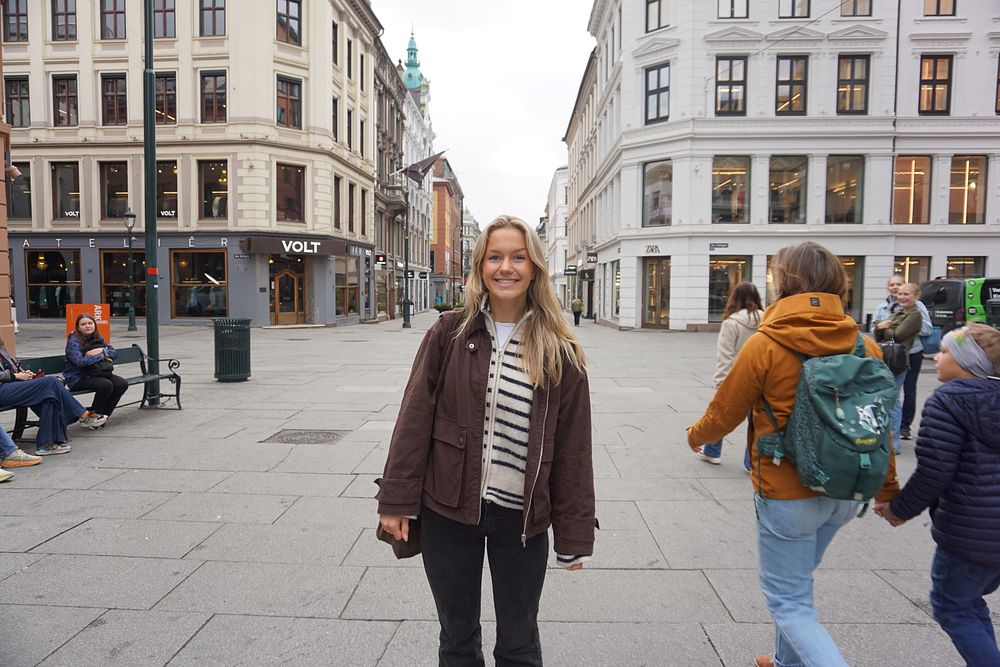
Ingrid Fastvold Johannessen, a 23-year-old student and first-time buyer, is one of many facing this challenge. She and her boyfriend began their home search a few weeks ago and have already attended several viewings. They were among the first to bid on a property, but ultimately withdrew. Johannessen attributes the difficulty of entering Oslo's housing market to the soaring prices.
At a viewing in Kongens Gate, near the city hall, they observed a 37-square-meter apartment listed for 400,000 kroner over its asking price. Last week, the central bank raised its policy rate to 4.5 percent, and the monetary committee hinted at further hikes. In the days that followed, many Norwegian mortgage lenders notified borrowers that they too would raise mortgage rates.
Currently, the average interest rate for Norwegian mortgages stands at about 5.3 percent, according to data from the Statistics Norway. The central bank's monetary report predicts that mortgage rates will rise to 5.6 percent by the end of next year, before gradually declining. The bank raised its policy rate to curb inflation. The logic is that higher interest rates mean borrowers pay more to banks, and when people have less money, they buy less, potentially slowing price growth.
This autumn, Oslo has reported record numbers of properties for sale, and NEF highlights that the main problem is no longer a shortage of suitable homes, but a lack of purchasing power among first-time buyers. While there are many properties available, the price levels in Oslo are so high that even small apartments require large loans.
According to NEF, the high interest rates pose a particularly significant burden for buyers with little capital. Capital refers to the amount of money an individual puts down when applying for a loan. In Norway, buyers must contribute at least 10 percent of the purchase price. For a 3 million kroner property, buyers need at least 300,000 in capital.
The average size of first-time homes in the capital has shrunk from 67 square meters in 2008 to 59 square meters in 2025. In 2008, the average Oslo first-time home cost 1.7 million kroner. In 2025, prices have risen to 3.8 million kroner, more than double the rate of inflation in the broader economy. NEF notes that first-time buyers are a price-sensitive group, as they are typically young people with relatively low incomes and capital.
Even the abundance of available properties does not necessarily help, as the overall bill determines their affordability, according to Geving in the NEF report.
Written by urgent.news from E24 Norway's reporting — not their text. Machine-written — may contain errors; check the original before relying on it.