EU plans cross-border 5G and satellite network for emergency services
The European Commission has proposed a new EU-wide critical communications network that would allow police, firefighters, medics and other first responders to maintain secure communications across national borders and during major disruptions.
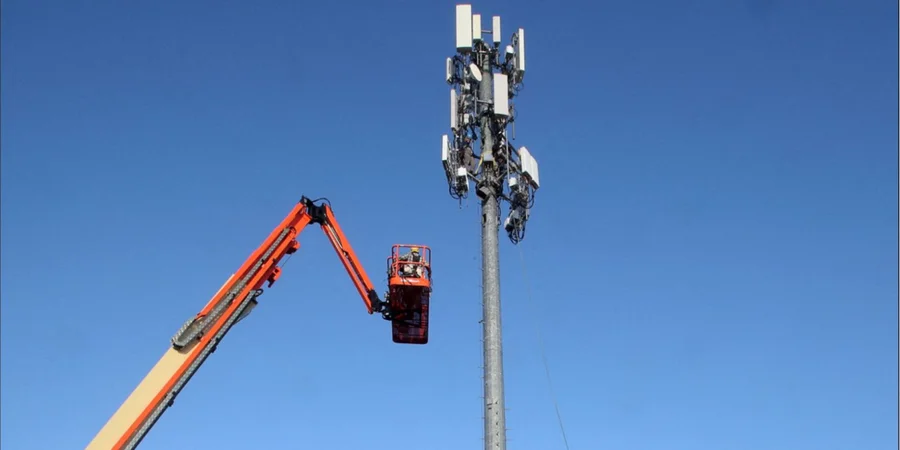
The European Commission has unveiled plans for a new EU-wide critical communications network, dubbed the EU Critical Communication System (EUCCS), set to be operational by 2030. This system aims to enable seamless, secure communications for police, firefighters, medics and other first responders across national borders and during significant disruptions. The EUCCS is designed to address the issue of incompatible national emergency communications networks that often fail to function when responders cross borders.
Commissioner Magnus Brunner emphasized the importance of instant communication between first responders during crises, be it fires, floods, terrorist attacks, drone threats, or other emergencies. Currently, emergency and security services across Europe rely heavily on dedicated radio systems, such as TETRA and similar technologies, which are gradually being replaced by mission-critical broadband systems based on mobile technology like 5G.
Rather than creating a single centrally controlled European network, member states will retain control over their national communications infrastructure. The EUCCS architecture includes European-level infrastructure to coordinate communication between national systems, along with a monitoring center to identify cybersecurity risks and support member states.
Satellite communications will provide additional coverage in areas lacking terrestrial mobile networks and serve as a backup in case ground infrastructure is disrupted, including during blackouts or significant emergencies.
IRIS², a European satellite constellation, is expected to play a key role in the system, offering backup and additional coverage in terrestrial communication areas. The EUCCS proposal now awaits approval from the European Parliament and the Council of the EU, with a planned trial in 2027 to test EU satellite connectivity during terrestrial system disruptions or in areas without mobile coverage.
Written by urgent.news from New Voice of Ukraine's reporting — not their text. Machine-written — may contain errors; check the original before relying on it.