Doctors warn about the risks energy drinks pose to kids. What families need to know
Sean and Heidi Cripe will never forget the call from their son's high school saying Davis was being taken to the emergency room.
Doctors are sounding the alarm over the potential dangers of energy drinks for children. A tragic incident nearly a decade ago serves as a stark reminder of the risks. Sean and Heidi Cripe lost their son, Davis, in 2012 after he consumed an energy drink and suffered a dangerous heart condition that led to his death. While such cases are rare, medical professionals across the country have long warned about the high caffeine content in energy drinks and their potential to harm young people.
This includes irregular heartbeats, increased heart rates, sleep issues, dehydration, agitation, high blood pressure, and seizures.
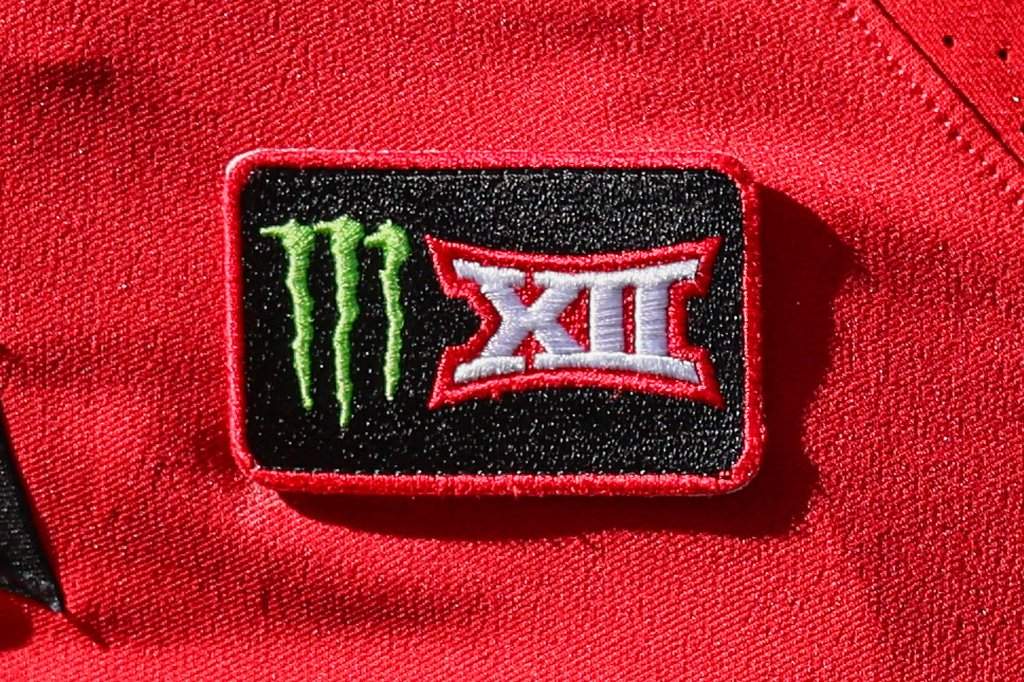
A coalition of doctors has recently highlighted these risks following a sponsorship deal between Monster Energy and the Big 12 Conference college athletic organization. They are urging conference leaders and the NCAA to reconsider such partnerships and review energy drink marketing aimed at young people. The doctors argue that energy drinks should not be perceived as sports drinks, as they contain significantly higher amounts of caffeine.
In the United States, the American Academy of Pediatrics recommends that children and teens avoid energy drinks altogether, limiting caffeine intake to 100 mg per day for those aged 12 to 18. Younger children should not consume any caffeine.
Caffeine and other stimulants can overstimulate the heart and nervous system, potentially leading to serious consequences. The American Beverage Association, which includes Monster Energy, maintains that the company voluntarily discloses caffeine levels on product labels and does not sell energy drinks in K-12 schools. However, the group points out that energy drinks are consumed globally without issue.
The Big 12 Conference and the NCAA have also defended their sponsorship agreements, stating that they aim to engage with sports fans and provide educational resources on caffeine and student-athlete health. Parents and educators are encouraged to educate children about the dangers of excessive caffeine consumption and to set a good example by avoiding such drinks themselves.
Written by urgent.news from CityNews's reporting — not their text. Machine-written — may contain errors; check the original before relying on it.
This story
This is one outlet's version. Read the fullest account.
- Doctors warn about the risks energy drinks pose to kids. What families need to know winnipegfreepress.com
- Doctors warn about the risks energy drinks pose to kids globalnews.ca