Doctors warn about the risks energy drinks pose to kids
Sean and Heidi Cripe will never forget the call from their son's high school saying Davis was being taken to the emergency room after chugging an energy drink.
Doctors have expressed concerns over the potential dangers energy drinks pose to children. In 2017, a 16-year-old named Davis Cripe died after consuming an energy drink and experiencing abnormal heart rhythms. While such fatalities are uncommon, medical professionals have long warned about the high caffeine content in these beverages and the risks they present to young people. The caffeine can lead to irregular heartbeats, increased heart rate, sleep disturbances, dehydration, agitation, high blood pressure, and seizures.
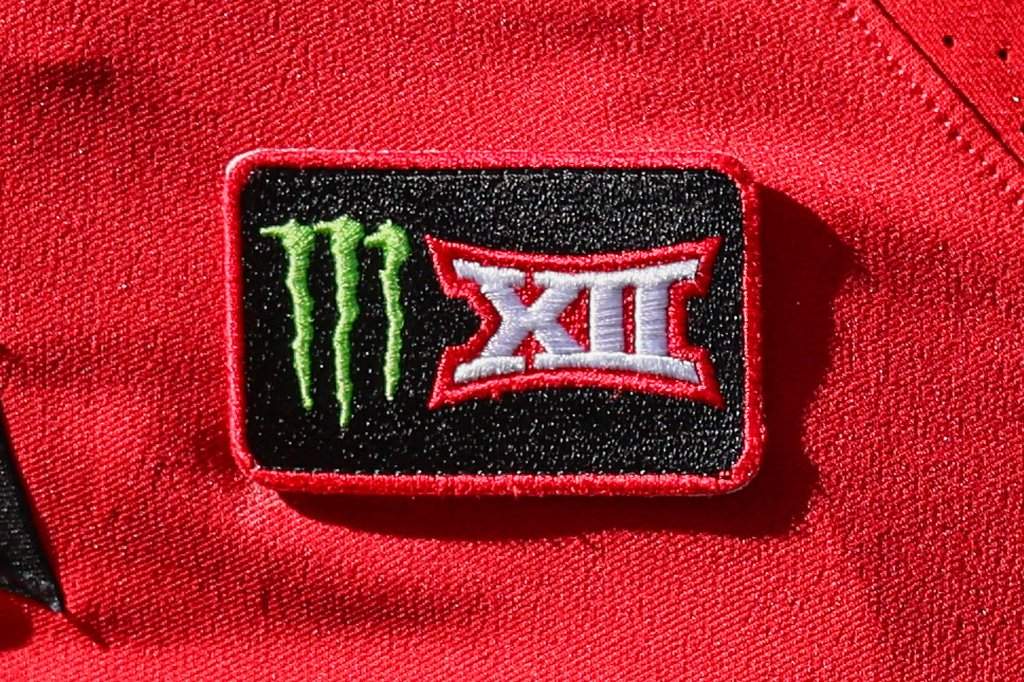
A coalition of doctors is now highlighting these risks following a sponsorship deal between Monster Energy and the Big 12 Conference college athletic organization. The group has urged conference leaders to suspend the partnership and the NCAA to review energy drink marketing to youth. The doctors caution that energy drinks are not just a concern for Monster but for all similar products and any future partnerships.
They emphasize that energy drinks should not be perceived as sports drinks, as they contain far higher levels of caffeine.
According to the latest data from the federally funded Monitoring the Future survey, conducted by the University of Michigan, 23% of 12th graders, 20% of 10th graders, and 18% of eighth graders have reported consuming energy drinks on a daily basis. The caffeine content in these drinks varies from 80 to 300 milligrams per serving, compared to about 80 to 100 milligrams in a typical 8-ounce cup of coffee and less than 50 milligrams in many sodas.
The American Academy of Pediatrics recommends that children aged 12 to 18 limit their caffeine intake to 100 milligrams per day, while younger children should avoid caffeine altogether.
Caffeine and other stimulants can increase heart rate and the reactivity of the nervous system, potentially causing an overload in the body. Dr. Tamara Hannon, a pediatrician from Indiana, likens the effect of stimulants on the body to running a blender until the motor overheats. The same consequences can occur in humans, leading to serious health issues.
While there is no scientific evidence supporting the notion that caffeine stunts a person's growth, mixing different types of caffeine can be risky, especially for children with preexisting conditions like high blood pressure. Even healthy children who consume excessive amounts of stimulants can face serious consequences, including young athletes.
The American Beverage Association, which represents Monster Energy and other companies that produce 94% of the energy drink category, maintains that members voluntarily disclose caffeine totals on product labels and do not sell or market energy drinks in K-12 schools. Monster Energy stated that their products are found in a wide range of food items and that over 100 billion energy drinks have been consumed globally without any issues.
The Big 12 Conference acknowledged that energy drinks have been part of collegiate athletics for over 30 years and that beverage companies aim to reach sports fans. However, the NCAA does not have the authority to regulate conference or school sponsorship agreements and offers educational resources on caffeine and student-athlete health.
The association's chief medical officer, Dr. Deena Casiero, encouraged schools to educate students about the dangers of excessive caffeine consumption, distinguishing energy drinks from sports drinks, which are designed to replenish lost water and electrolytes during physical activity. Parents and adults can also serve as positive examples by refraining from consuming energy drinks in front of children.
The U.S. Centers for Disease Control and Prevention advises parents to discuss all the beverages their children consume with pediatricians, emphasizing the importance of "Rethinking your drink."
Written by urgent.news from Global News's reporting — not their text. Machine-written — may contain errors; check the original before relying on it.
This story
This is one outlet's version. Read the fullest account.
- Doctors warn about the risks energy drinks pose to kids. What families need to know winnipegfreepress.com
- Doctors warn about the risks energy drinks pose to kids. What families need to know toronto.citynews.ca