Cutting Back on Ultra-Processed Foods May Help Ease Depression Symptoms
Recent research has found that reducing UPF intake may help improve symptoms of depression. cafotodigital · E+/Getty A small study found that reducing ultra-processed food (UPF) intake was associated with improvements in depression symptoms. The findings add to previous research linking high UPF consumption with an increased risk of depression. Researchers are investigating how factors such as…
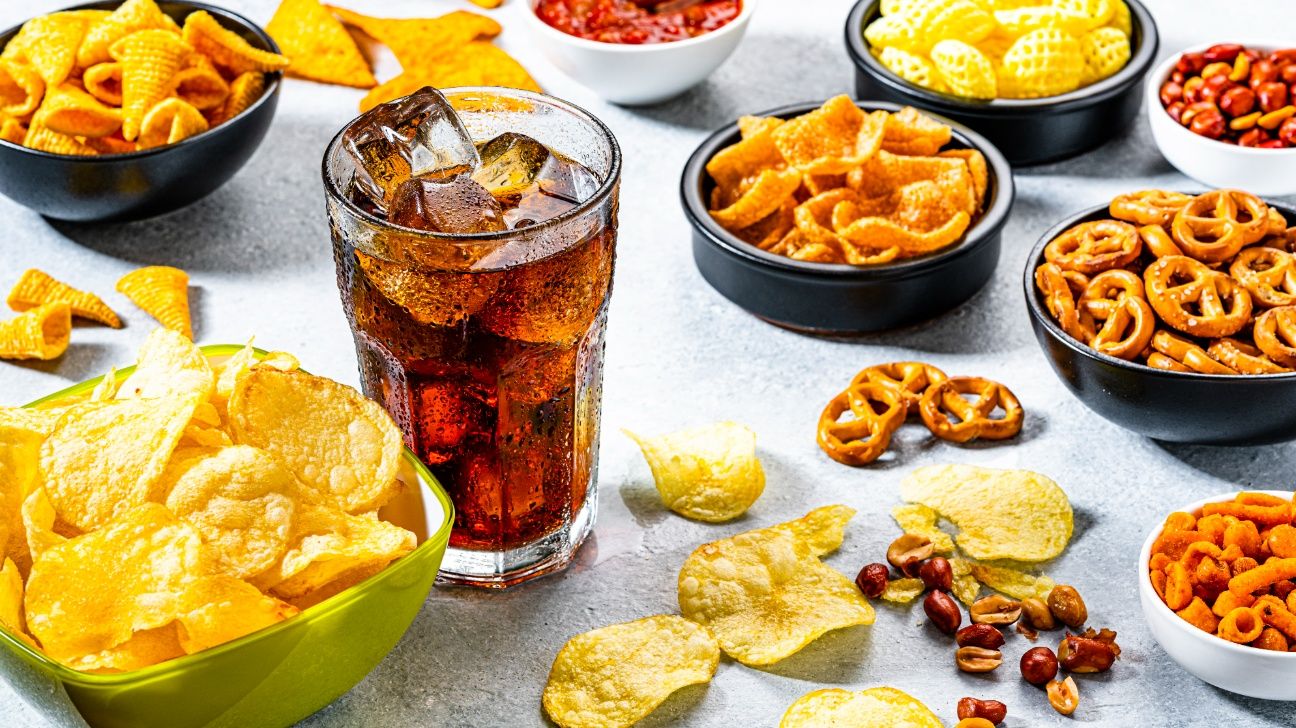
Recent research suggests that cutting back on ultra-processed foods (UPFs) may help ease symptoms of depression. A small study published in JAMA Psychiatry found that participants who reduced their UPF intake by over 85% experienced significant improvements in depression scores. The study included 20 individuals with a diagnosis of depression, who followed both their usual diet and a low-UPF diet during separate phases.
Those on the low-UPF diet had lower depression and anxiety scores compared to their usual diet phase. While the study has limitations, such as a small sample size and reliance on self-reported data, it supports previous research linking high UPF consumption with an increased risk of mental health issues. Michelle Routhenstein, a preventive cardiology dietitian, notes that reducing UPFs may improve depression by reducing inflammation, improving metabolic health, and positively affecting the gut-brain axis.
However, experts caution against labeling foods solely based on their processing level, and recommend focusing on overall dietary patterns and nutritional value instead. To reduce UPF intake, Routhenstein suggests swapping sugary drinks for water, choosing whole foods like fruits and vegetables, and preparing meals with minimally processed ingredients.
Written by urgent.news from Healthline News's reporting — not their text. Machine-written — may contain errors; check the original before relying on it.