China and Africa boost law enforcement ties in crackdown on cross-border cybercrime
From online-gambling rings in eSwatini to SIM swapping in Kenya and cybercrime networks in Zambia, a wave of cross-border fraud is drawing African governments and China into closer security cooperation. China hosted East African security ministers and police chiefs in Lianyungang, Jiangsu province, on September 10 for talks on terrorism, kidnapping, online fraud and other cross-border threats.…
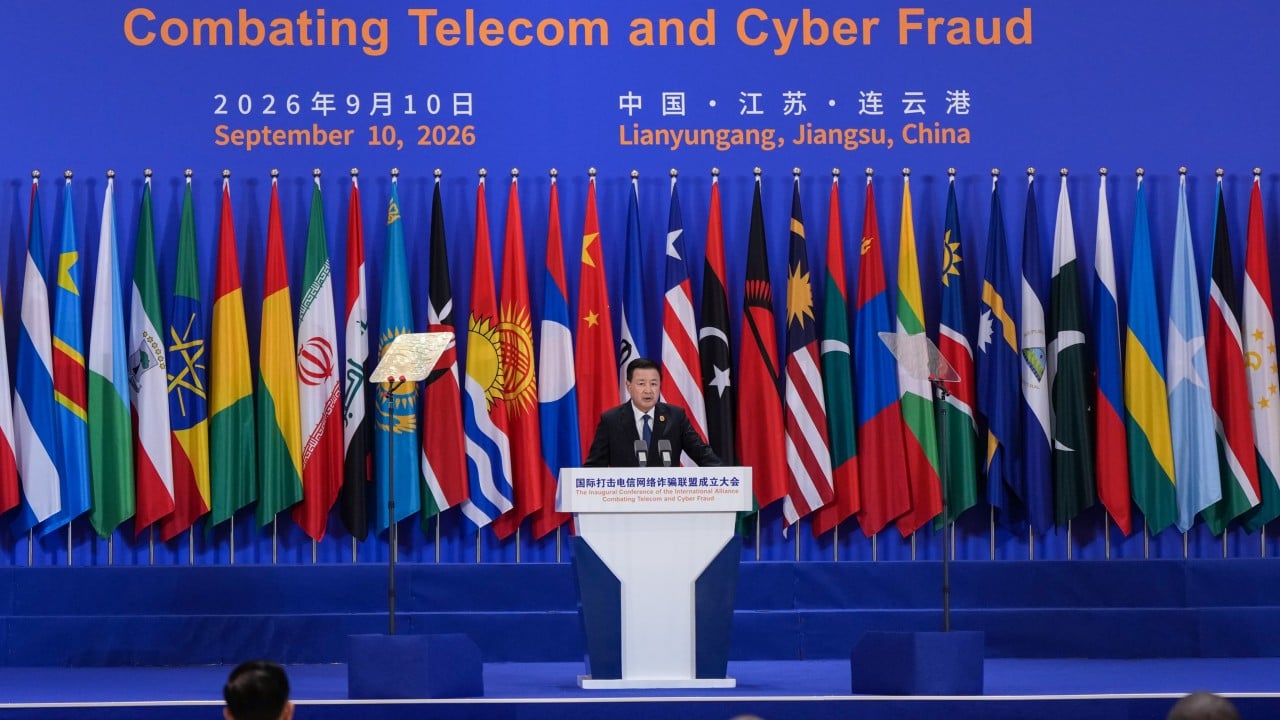
China and African nations have strengthened their law enforcement ties in a joint effort to combat cross-border cybercrime. On September 10, Chinese officials gathered with East African security ministers and police chiefs in Lianyungang, Jiangsu province, to discuss terrorism, kidnapping, online fraud, and other cross-border threats.
China's public security minister, Wang Xiaohong, announced that Beijing would bolster law enforcement cooperation with East Africa and work together against terrorism, kidnapping, unlawful detention, and telecoms and online fraud.
The same day, China established the International Alliance Combating Telecoms and Cyber Fraud, which consists of 46 founding countries, including Kenya. This alliance aims to promote regular law enforcement cooperation, professional training, joint drills, and coordinated action against cross-border telecoms fraud. China's interest in this alliance lies in protecting its citizens, companies, and projects in Africa, where it has substantial commercial interests.
Simultaneously, African governments seek improved access to police training, technology, and intelligence sharing.
Observers believe that police cooperation enables China to expand its security presence in Africa without establishing formal alliances or maintaining a large military footprint. Alessandro Arduino, an associate fellow at Britain's Royal United Services Institute, notes that cyberfraud, a prevalent issue in Africa, provides China with an effective entry point for security engagement.
Beijing is working through multilateral institutions and established policing networks, such as Interpol, while promoting China-led mechanisms for intelligence sharing and coordinated law enforcement operations.
A similar situation unfolded in eSwatini, where Chinese nationals were targeted for alleged telecoms fraud and gambling crimes. Chinese nationals and organizations in the country were warned to leave, following police raids in March that arrested forty Chinese nationals suspected of illegal online gambling and fraud. In Zambia, authorities detained 79 people, including 11 Chinese nationals, in a raid on a suspected cybercrime operation in August.
In Kenya, four Chinese nationals appeared in court in September over an alleged SIM-swapping and money laundering scheme. Fraud networks have also targeted African job seekers, luring them with false job offers and scaring them into scam compounds in various African countries.
China has signed numerous public security and law enforcement agreements with African countries, aiming to address transnational crimes such as telecoms fraud, cybercrime, kidnapping, human trafficking, and related transnational crimes. This shift in China's focus from trade and infrastructure to police cooperation, counterterrorism, intelligence sharing, and security capacity building reflects its growing concern for governance gaps and direct national interests in Africa.
However, the new International Alliance Combating Telecoms and Cyber Fraud is likely to complement existing international and regional policing organizations rather than replace them.
Written by urgent.news from Reuters Business via SCMP's reporting — not their text. Machine-written — may contain errors; check the original before relying on it.