America's war machine needs a reload
AS America’s military cyberdefence professionals met for their annual trade meeting in Maryland last Thursday, top commanders issued a blunt warning that sustained operations this year had cost the United States much of its long-built-up advantages in cyberspace.
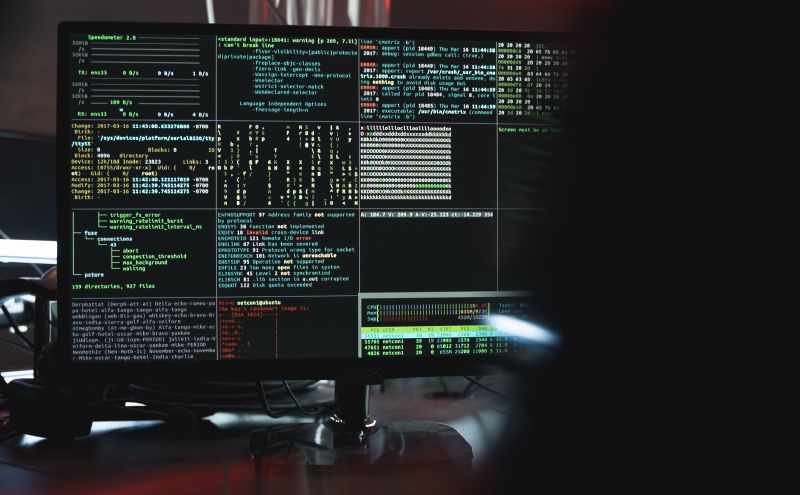
As America's military cyberdefence professionals convened for their annual trade meeting in Maryland, top commanders delivered a stern warning that the country had lost much of its long-established cyber advantages. Sophisticated cyberattacks had been instrumental in recent operations, including the capture of Venezuelan president Nicolas Maduro and the degradation of Iranian sensors and communications in Operation Epic Fury.
However, the ability to launch offensive cyberattacks through known vulnerabilities in enemy systems was rapidly depleting, according to US officials. Vice-Admiral Heidi Berg, commander of the US Navy Fleet Cyber Command, noted that the resources for hacking and disrupting key systems in opposing nations were quickly being exhausted.
Lieutenant-General Christopher Eubank, head of US Army Cyber Command, stated that the demand for direct US cyber support to military operations remained constant since the conflict with Iran began on February 28. This marked the first time that the cyber force had faced such a high tempo of operations. The strain on the US military was evident in other areas as well.
Suicide attempts by sailors on the USS Abraham Lincoln, who had been supporting operations in the Middle East for an unusually long 286 days consecutively, demonstrated the toll on personnel. The US Air Force had lost a significant number of MQ-9 Reaper drones and other aircraft, while other losses included KC-135 tankers, E-3 Sentry airborne warning aircraft, F-15E Strike Eagles, MC-130J gunships, and an A-10 Warthog on various missions.
The financial cost of Operation Epic Fury was estimated at just under $40 billion, with the Pentagon acknowledging that it would take several years to rebuild depleted stocks of interceptor missiles crucial for deterring potential conflicts with China. The US military's support for allies has been mixed, with Saudi Arabia increasingly relying on foreign assistance despite having numerous US advisers on the ground.
Russian missiles have been pounding Ukrainian targets, hampered by a lack of US-manufactured interceptors. The article concludes that launching a conflict may be easy, but managing the aftermath proves much more challenging.
Written by urgent.news from New Straits Times's reporting — not their text. Machine-written — may contain errors; check the original before relying on it.