Wildlife traffickers are now targeting Indonesia’s critically endangered maleo birds
Maleos, black-and-white birds that stand 60 centimeters (2 feet) tall with a distinctive splash of blue, orange and yellow on their faces, roam Sulawesi’s thick tropical jungles. But when it’s time to lay their eggs, they arrive at communal nesting grounds: Sandy beaches heated by the sun or the earth’s geothermal energy. There, they dig […]
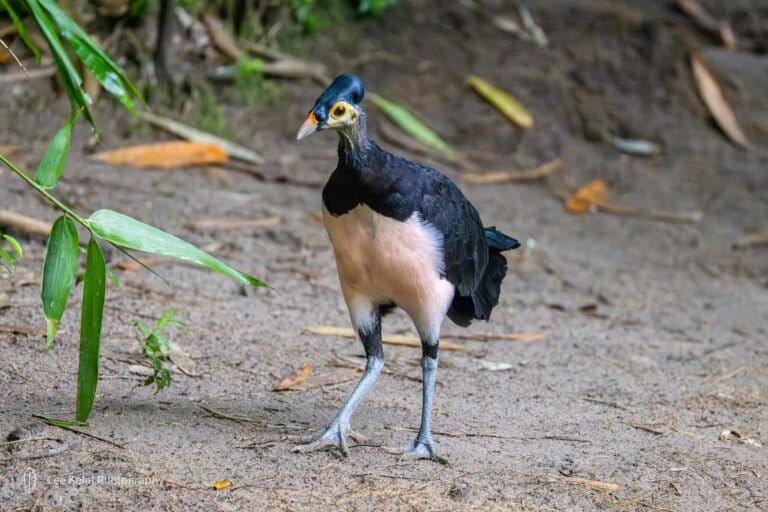
Maleos, striking black-and-white birds standing 60 centimeters tall with vivid blue, orange, and yellow facial markings, inhabit the dense jungles of Sulawesi. When it's time to lay their eggs, they converge on communal nesting grounds, which are sandy beaches warmed by sunlight or geothermal activity. The birds meticulously dig burrows using their blue webbed feet, lay their eggs, and then vanish.
After several months, the hatchlings emerge ready to fly within a few hours. Maleos are an iconic symbol of Sulawesi, serving as the official faunal mascot for Central Sulawesi province and the Bogani Nani Wartabone National Park. Once abundant on the island, these birds are now critically endangered, with only 4,000-7,000 breeding pairs left.
The primary reasons for their decline are habitat loss and poaching. Since 1983, the birds have lost more than two-thirds of their 149 nesting grounds due to residential and commercial development, as well as damage from mining and road construction. In addition to these threats, a new and alarming danger has emerged – illegal trade in live maleos, primarily driven by the demand for exotic pets.
A recent study published in the Journal of Asian Ornithology revealed three seizures of these birds, highlighting the urgent need to protect this species from extinction.
Written by urgent.news from Mongabay's reporting — not their text. Machine-written — may contain errors; check the original before relying on it.