Who sets shipping rules at sea and how are they made? UAE ministry explains
A disruption can delay cargo, push up freight and insurance costs, and affect the movement of oil, gas and other goods. For countries and businesses that depend on maritime trade, the economic toll can be significant. So who sets the rules for ships using these vital routes? And who is responsible for shipping safety and security? In a recent social media post, the UAE Ministry of Energy and…
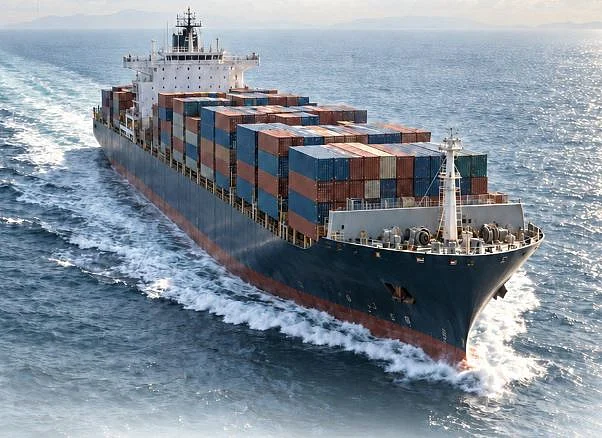
The International Maritime Organization (IMO) is a specialized United Nations agency responsible for establishing global standards for international shipping, including ship safety, maritime security, and pollution prevention. The IMO provides a common framework for countries and the shipping industry, helping to create rules that apply across international maritime operations.
IMO Member States gather to discuss proposed changes or amendments to existing shipping regulations. Countries can introduce new conventions or suggest modifications to existing rules. During negotiations between Member States, the proposals are reviewed, and once agreed upon, regulations and standards are internationally adopted.
The IMO Assembly is the organization's highest governing body, comprised of representatives from all Member States. This body sets the overall direction of the organization and elects the IMO Council, which oversees the organization's work between Assembly sessions.
While the IMO sets international standards for shipping, it does not control individual waterways or determine which vessels can use them. The Strait of Hormuz, a strategically important shipping route connecting the Arabian Gulf with the Gulf of Oman, exemplifies this. Disruptions to such routes can have significant economic consequences for countries and businesses that rely on maritime trade.
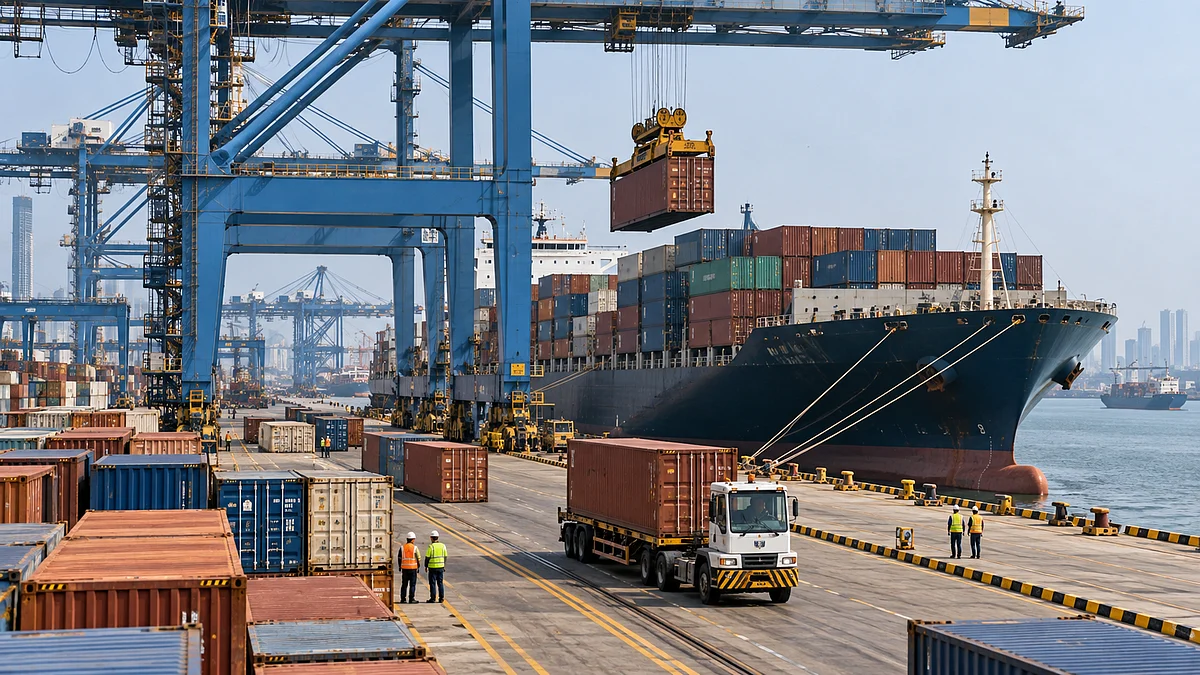
Shipping routes matter to the economy as they carry a large portion of global trade. Ships transport oil, gas, food, manufactured goods, and raw materials between countries. When a major route experiences disruption, vessels may need to take longer alternative routes, leading to increased fuel consumption, extended journey times, higher insurance premiums, and rising freight costs. These added expenses can ultimately impact businesses and consumers, affecting supply chains and prices.
Written by urgent.news from Gulf News's reporting — not their text. Machine-written — may contain errors; check the original before relying on it.