Wenig Wasser floss ins Meer: Niedrigste Abflussmengen in Flüssen seit gut 30 Jahren
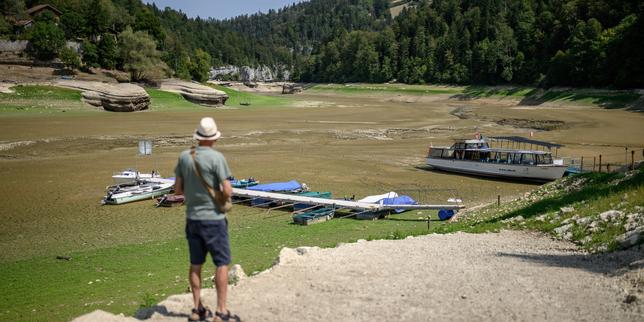
Aus europäischen Flüssen floss so wenig Wasser wie seit Jahrzehnten nicht ins Meer. Das Wasser dort war oft extrem warm. Hitze und Trockenheit des Sommers hatten noch mehr üble Folgen.
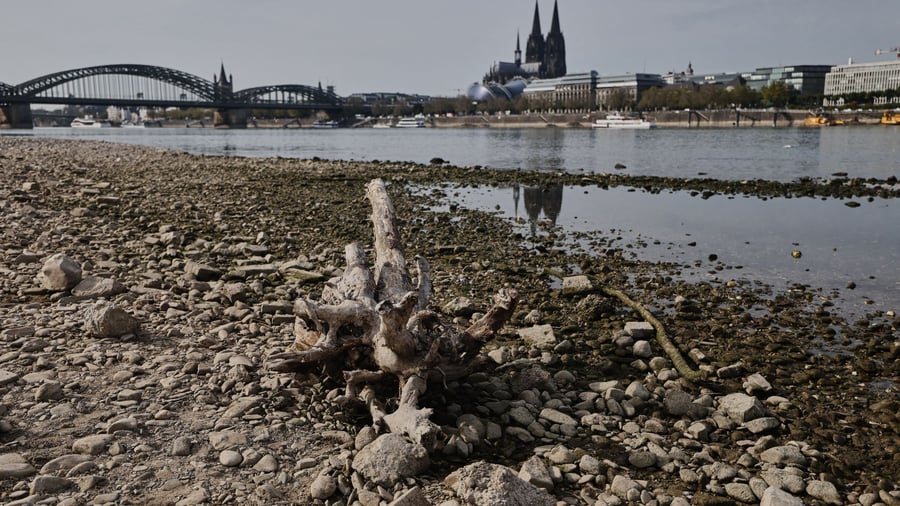
Bonn reports have revealed that many European rivers have recorded the lowest average discharge volumes since monitoring began in 1992. Concurrently, the surrounding seas have been unusually warm according to the EU's climate change service, C3S. In July and August, record or near-record low discharges were observed on major rivers including the Rhine, Danube, Po, Loire, Rhône, and Seine.
This has put increased pressure on irrigation, nuclear reactor cooling, hydroelectric power, freshwater availability, and energy supply. The EU's Copernicus Earth Observation Programme service explained that this illustrates the tight connection between climate change and geopolitical challenges such as energy security. Along a large portion of the Atlantic coast and in the western and central Mediterranean, record or nearly record high sea surface temperatures have been observed, often coinciding with strong to unprecedented marine heatwaves.
These heatwaves can intensify heat in nearby coastal areas by reducing overnight cooling and increasing humidity, exacerbating heat stress. According to Copernicus data, the summer was the second warmest for the entire continent and the warmest for Western Europe since records began. Western Europe experienced an average temperature of 21.7 degrees Celsius, which is 2.5 degrees above the average from 1991 to 2020.
Up to the end of the summer season, 52 percent of continental land area was exposed to extreme heat conditions, corresponding to felt temperatures of 38 degrees Celsius or higher. Remarkably, the duration and geographical extent of the heat were significant as well: There were 17 days when at least 60 percent of Western Europe experienced temperatures above 30 degrees - compared to 11 days in 2003 and 7 days in 2025.
Persistent drought and repeated heatwaves fueled an exceptionally intense wildfire season: By September 2nd, the area burned in the EU was nearly twice as large as the average from 2006 to 2025. Spain and France were particularly affected, with millions of people exposed to dangerous air pollution due to the fires.
Written by urgent.news from Handelsblatt's reporting — not their text. Machine-written — may contain errors; check the original before relying on it.