Summer 2026 becomes the hottest ever recorded in Western Europe but fails to spark political action
According to the European Copernicus service, the average summer temperature reached 21.7°C (71°F), well above average, and river flows dropped to their lowest levels in more than thirty years. Yet European Union member states continued to invest in fossil fuels.
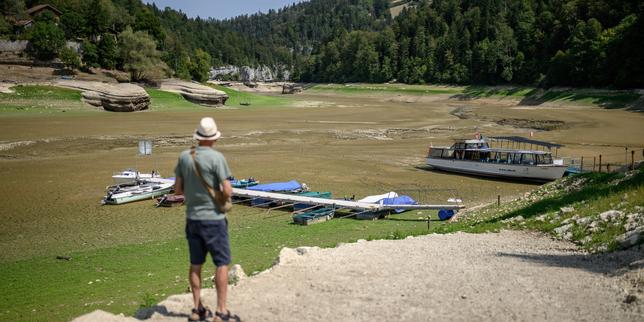
Europe experienced an unprecedented heatwave summer in 2026, driven by climate change, according to the EU's climate monitoring agency, Copernicus. A staggering 52% of the continent endured intense heat stress, defined as temperatures feeling hotter than 38°C. Samantha Burgess, climate lead at ECMWF, noted that this was Europe's third warmest summer on record and the hottest for western Europe.
Four of the top ten heatwaves occurred during this single summer. The heatwave's severity was compounded by prolonged drought conditions, with almost half of Europe affected by drought by the end of August. The combination of extreme heat and dryness led to record low river flows, disrupting transportation, irrigation, nuclear cooling, and hydropower.
This summer exemplified how heat stress is increasingly becoming widespread and persistent, posing a significant threat to public health and the environment.
Written by urgent.news from Free Malaysia Today's reporting — not their text. Machine-written — may contain errors; check the original before relying on it.
This story
This is one outlet's version. Read the fullest account.
- Europe’s hottest summer triggers record heat stress freemalaysiatoday.com
- More than half of Europe faced intense summer heat stress, EU monitor says france24.com