Uganda and NGO to co-manage sector of national park home to tree-climbing lions
The Uganda Wildlife Authority (UWA) and the Wildlife Conservation Society (WCS) have signed a 10-year agreement to co-manage a portion of Queen Elizabeth National Park, famous for its tree-climbing lions. WCS will take over some day-to-day roles for the Ishasha Sector in the south of the park, including those covering biodiversity management, community engagement and […]
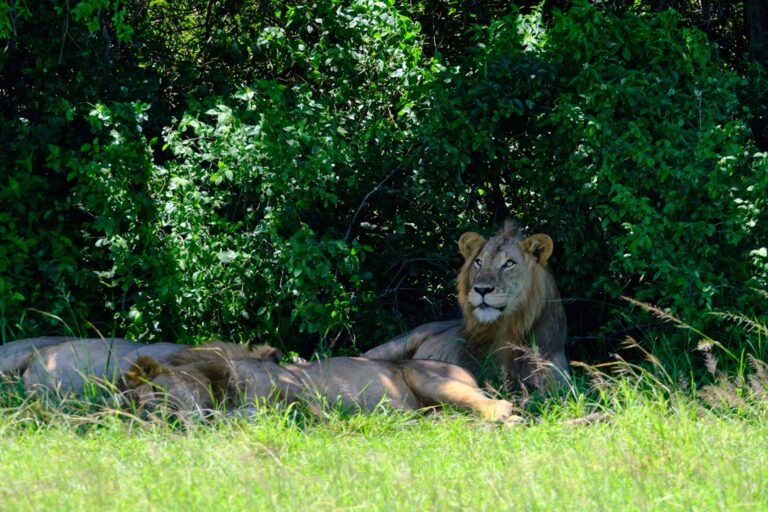
The Uganda Wildlife Authority (UWA) and the Wildlife Conservation Society (WCS) have agreed to jointly manage a section of Queen Elizabeth National Park, renowned for its tree-climbing lions. This 10-year arrangement will see WCS taking over several day-to-day responsibilities for the Ishasha Sector in the park's southern region, including biodiversity management, community engagement, and the establishment of tourist enterprises.
Meanwhile, UWA will continue to handle law enforcement and wildlife protection within Ishasha, according to WCS Uganda country director Simon Nampindo.
The agreement builds upon a growing pattern of "public-private" partnerships between African governments and conservation organizations aimed at managing national parks. Nampindo explained that WCS and UWA will collaborate closely in planning, developing, and implementing activities, budgets, and workplans for the co-managed area.
Ishasha Sector, spanning around 500 square kilometers of Queen Elizabeth National Park's 1,978 km2, has historically drawn tourists due to its unique lion population. Unfortunately, lions in this region are becoming increasingly scarce, with UWA reporting that the overall lion population in Queen Elizabeth plummeted by over 90% between the late 1970s and 2022, from 400 to just 39 individuals.
Currently, there are fewer than five lions in Ishasha, a figure Nampindo believes must be increased through translocation from elsewhere if the species is to have any chance of recovery.
Several factors have contributed to the decline of Ishasha's lions, including conflicts between the predators and local herders, habitat loss, and poaching. Nampindo highlighted these challenges as key obstacles to the lions' survival.
Written by urgent.news from Mongabay's reporting — not their text. Machine-written — may contain errors; check the original before relying on it.

