These underwater umbrellas can shade coral reefs to protect them from bleaching
Our oceans are incredibly hot , and that heat stress is a major threat to coral reefs. To truly protect corals, we need to address climate change as a whole. But in the meantime, scientists say they can give reefs a bit of relief simply by providing them with some shade. Researchers recently tested this concept in the Florida Keys with underwater “umbrellas” made out of shade cloths—the same…
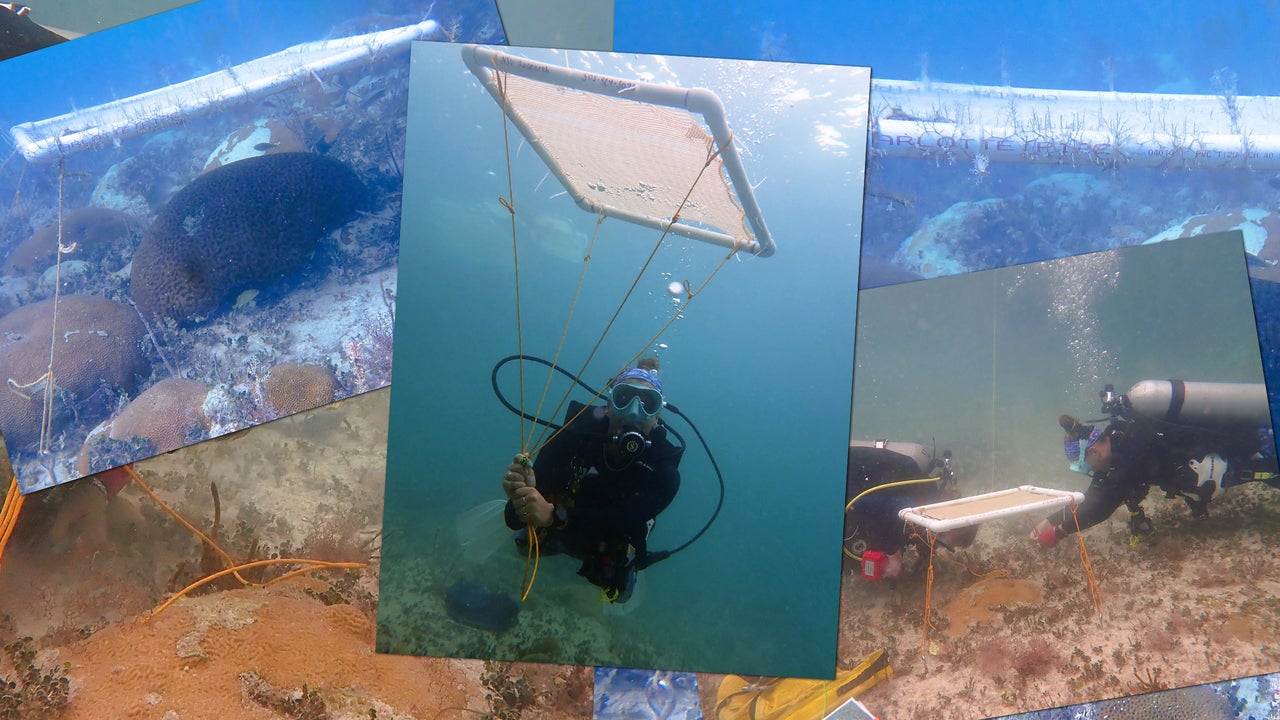
As oceans grow hotter, coral reefs face an increasing threat, with heat stress causing severe bleaching that can lead to the death of these vital ecosystems. While addressing climate change is crucial, scientists are exploring immediate solutions to protect reefs. In the Florida Keys, researchers tested underwater "umbrellas" made of shade cloths—commonly used to protect plants from the sun—to give coral reefs some respite.
These floating umbrellas, placed about 12 inches above individual corals, reduced light exposure by 60%, significantly decreasing heat stress. While heat is the primary driver of bleaching, minimizing light exposure can reduce stress and potentially help corals recover. Neely, a research scientist at Nova Southeastern University, notes that while shade doesn't actually cool the water, it does lessen the light reaching corals, thereby cutting some of the stress they endure.
The shading experiment in 2024 demonstrated promising results, with shaded corals losing less color than unshaded ones and even showing signs of recovery in some cases. The researchers were surprised by how easy and cost-effective the setup proved to be, at around $100 per coral. This approach, although targeted and focused on individual corals, offers a tangible, immediate intervention in the face of climate change.
Coral reefs, despite covering less than 1% of the ocean floor, support 25% of marine biodiversity, providing crucial food, tourism, and shoreline protection. Intervention efforts like these may be more cost-effective than coral restoration, which could cost over $1,000 per lost coral.
Written by urgent.news from Fast Company's reporting — not their text. Machine-written — may contain errors; check the original before relying on it.