Takaichi told during Trump talks that weak yen was hurting U.S. trade
U.S. Treasury Secretary Scott Bessent has repeatedly suggested the BOJ should raise interest rates to help the yen find an appropriate level.
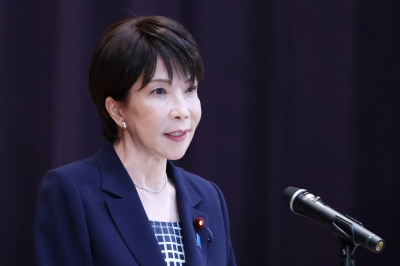
Japan's Prime Minister Sanae Takaichi shared insights during her talks with U.S. President Donald Trump, revealing that the weak yen is adversely impacting U.S. trade. At the Japan-U.S. leadership meeting, Takaichi stated that the difficulties American trade is experiencing are attributed to the undervalued yen, which she believes is a significant issue.
She emphasized that the U.S. and Japan share a common goal in addressing the currency's weakness during discussions with Finance Minister Satsuki Katayama. Takaichi reiterated her commitment to pursuing a strong economy and sustainable government finances, grounded in responsible and proactive fiscal policies. The Trump administration has been vocal about its concerns over the weak yen, with Treasury Secretary Scott Bessent suggesting that the Bank of Japan should raise interest rates to aid the yen's valuation.
However, Japanese officials have downplayed the impact of U.S. comments on their decision-making. Despite this, the joint currency market intervention between Tokyo and Washington, which took place after the yen traded at around ¥164 against the dollar, marked their first cooperative effort to support the yen in 28 years.
Written by urgent.news from Japan Times's reporting — not their text. Machine-written — may contain errors; check the original before relying on it.