Social media users are gaming the algorithm to protect Cornell’s Jane Doe
Jane Doe. Across social media, people are posting in solidarity with the young woman implicated in a sexual assault case that has horrified the country. The details of the case are chilling: In 2024, seven men, students and members of Cornell University’s Chi Pi fraternity, allegedly drugged and assaulted a 20-year-old woman. In the aftermath, reportedly two of the men were expelled; others had…
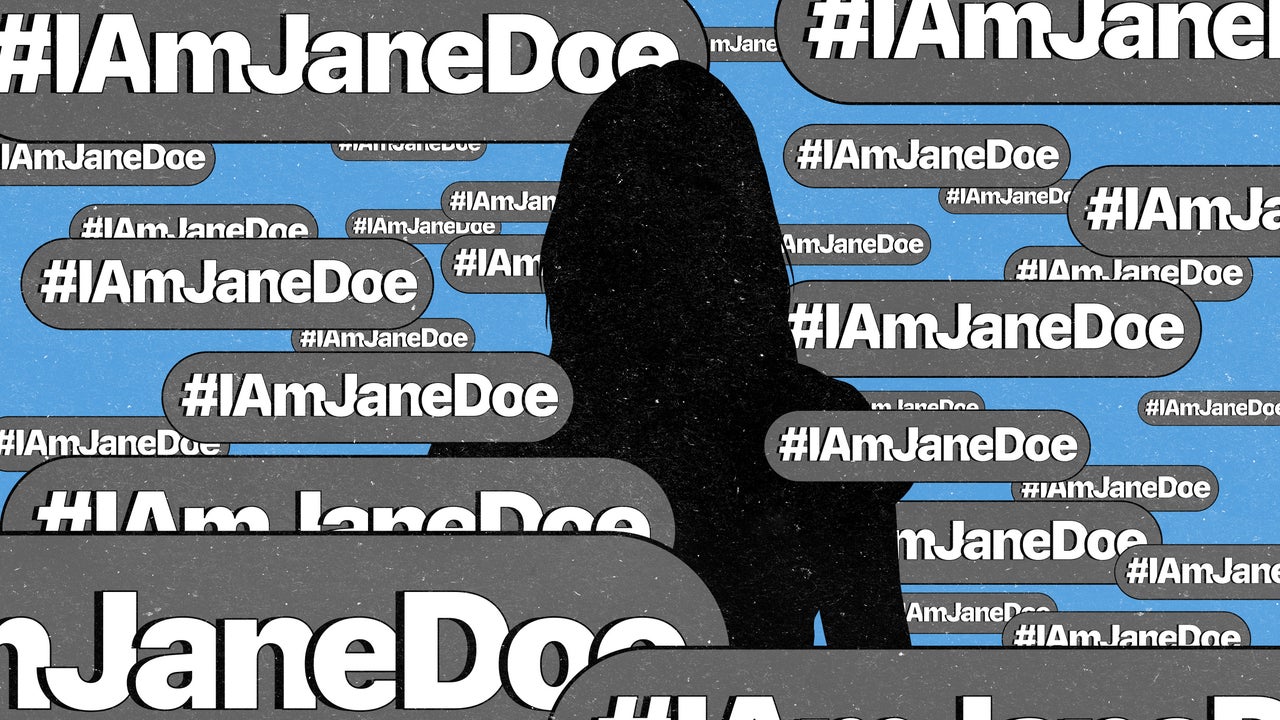
Jane Doe. Social media users are employing a clever tactic to protect the anonymity of the young woman implicated in a sexual assault case that has garnered national attention. In 2024, seven men from Cornell University’s Chi Pi fraternity allegedly drugged and assaulted a 20-year-old woman. Though two of the men were expelled, others were forced to write essays as punishment.
Two years after the alleged incident, the woman filed a civil lawsuit against Cornell University, the fraternity, and her sorority, identifying herself anonymously as "Jane Doe." As the story broke, social media erupted with discussions, with some users attempting to uncover her identity—a move that instead sparked a movement. On platforms like TikTok, Threads, and X, users flooded timelines with posts claiming to be Jane Doe herself.
Videos often included phrases like, "congrats you found her" and "it’s me, I’m Jane Doe," in an attempt to trick the algorithm and keep the victim’s actual identity hidden. This collective action has coalesced under the hashtag #IAmJaneDoe, with thousands of users participating. This strategy, reminiscent of the #MeToo movement, aims to occupy digital space and thwart efforts to reveal Jane Doe’s personal information.
However, not all online collective actions are equally effective, as seen in the case of Blackout Tuesday, where well-intentioned hashtags were criticized for being ineffective or even harmful. In contrast, the movement around Jane Doe highlights how social media algorithms can be used for solidarity rather than doxxing. One user expressed, "It’s really beautiful seeing women on the internet all saying ‘I’m Jane Doe.
In fact she’s actually me.'" This collective resistance against the erosion of anonymity in the face of sexual violence showcases the power of digital solidarity.
Written by urgent.news from Fast Company's reporting — not their text. Machine-written — may contain errors; check the original before relying on it.