Permafrost, wetland, wildfire and freshwater emissions could amplify climate change by up to 30%, study finds
As frozen ground thaws in the Arctic, dead plants and animals locked in soils for thousands of years start to decay, releasing methane and carbon dioxide. Those gases trap heat from the sun and warm the planet. And the more the planet warms, the more Arctic permafrost thaws. This is just one feedback loop among […]
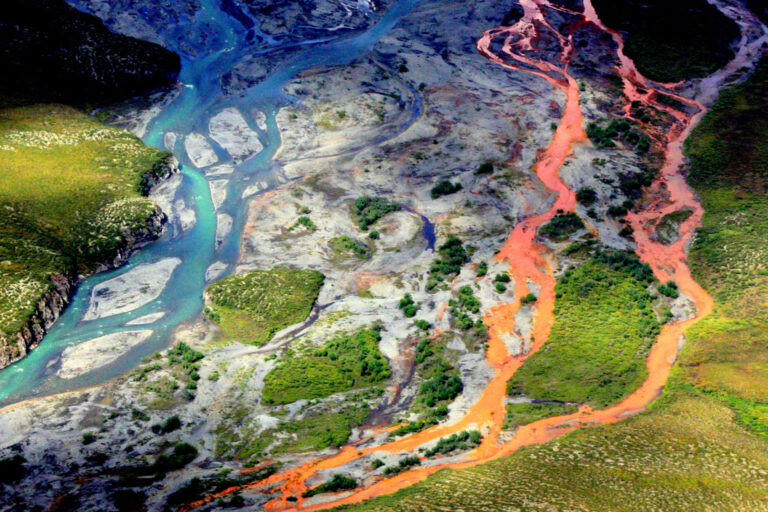
As frozen ground thaws in the Arctic, the decay of dead plants and animals buried in the soil for millennia releases methane and carbon dioxide into the atmosphere. These gases trap heat from the sun, warming the planet further. This is just one of many feedback loops that climate models have largely ignored. A new study published in the journal Environmental Research Letters examines four sources of greenhouse gases from natural systems: permafrost, wetlands, freshwater, and wildfires.
The researchers estimate that greenhouse gases released by these natural sources could add an additional 0.2-0.4°C (0.4-0.7°F) of warming by 2100, amplifying human-caused warming since 2020 by 20-30%. Methane accounts for about half of this additional warming. Natural systems, such as wetlands, permafrost, and forests, have always released greenhouse gases, but this study focuses on the extra emissions released since 2020 due to human activities like burning fossil fuels and deforestation.
As the planet warms, thawing permafrost exposes more ancient organic matter to decay, and warmer wetlands and freshwater lakes accelerate the growth of methane-producing microbes. Drier forests also burn more frequently, releasing additional planet-warming gases. This study is the first to combine all four sources and quantify their contribution to amplifying global warming.
Written by urgent.news from Mongabay's reporting — not their text. Machine-written — may contain errors; check the original before relying on it.