Nine Swiss museums to investigate provenance of thousands of objects from Cameroon
The research project has been awarded £91,000 in federal funding for 2027–28
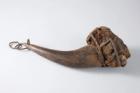
Nine Swiss museums have been awarded SFr100,000 (£91,000) to investigate the provenance of over 6,300 objects from Cameroon in their collections, according to a press release from the Swiss Federal Office of Culture on 29 September. The initiative brings together museums across Switzerland, including Basel, Bern, Geneva, Lausanne, Neuchâtel, Winterthur, and Zurich.
The project aims to examine how the items were acquired, their chains of ownership, and their significance in Cameroon today. Cameroonian holdings have gained attention recently, with provenance researcher Isabella Bozsa highlighting ongoing work in Germany and the 2024 visit by a Cameroonian delegation to Swiss museums. Bozsa notes that missionaries from the Basel Mission, active during German colonial rule, played a significant role in building Swiss museum collections.
Swiss museums hold objects from over 320 ethnic and cultural communities in Cameroon, according to Legrand Tchatchouang, a representative on Cameroon's inter-ministerial committee for the repatriation of cultural property. Tchatchouang welcomed the project but emphasized the need for Cameroonian perspectives in the research. He pointed out that many objects, such as traditional medicine items collected by Swiss doctor Josette Debarge, may have changed meaning and relevance over time.
Tchatchouang called for dialogue to decolonize practices, stating that the colonial era is over and new approaches are needed. The Swiss provenance project emphasizes collaboration, with researchers working with Cameroonian partners both in Swiss museums and in Cameroon itself. Many artifacts in the investigation are linked to the violent 1897 raid by British forces, which may lead to object transfers to Nigeria. Overall, over 1 million objects will be examined and recorded over the next decade.
Written by urgent.news from The Art Newspaper's reporting — not their text. Machine-written — may contain errors; check the original before relying on it.