Nigeria: Nigeria Develops Digital Health Architecture to Integrate Health Systems
[Premium Times] The architecture, he said, is built around a Health Information Exchange with a Shared Health Record and national registries for clients, health facilities and health workers, anchored on the principle of "one patient, one health record."
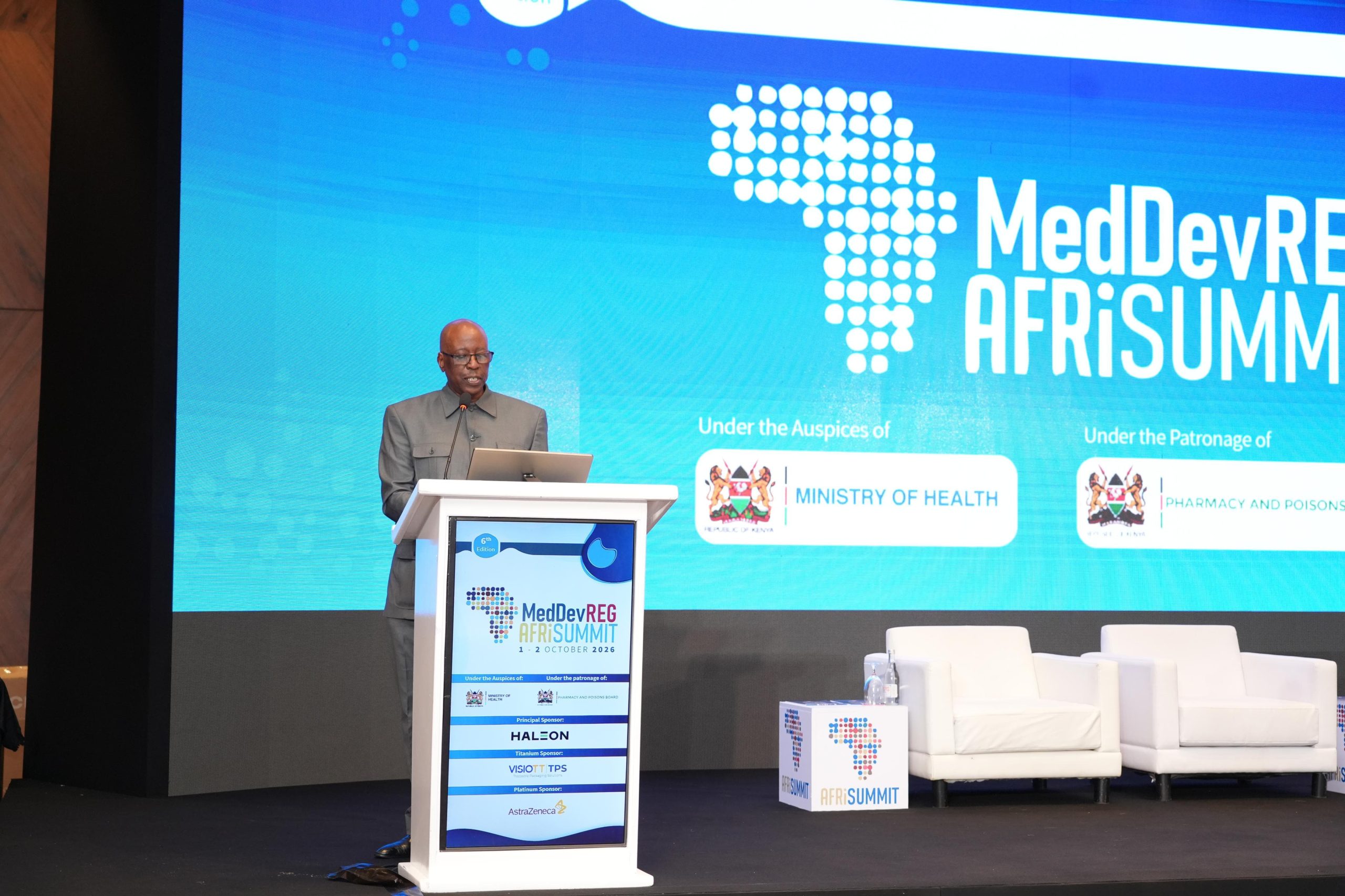
Nigeria is developing a comprehensive digital health architecture to integrate its fragmented health systems, according to the country's Minister of State for Health and Social Welfare, Iziaq Salako. The new National Digital Health Architecture (NDHA) aims to create a unified system where every patient has a single, comprehensive health record, and all health facilities, workers, and clients are connected through a Health Information Exchange.
This initiative, endorsed by the National Council on Health, is being implemented as part of President Bola Tinubu's Nigeria Health Sector Renewal Investment Initiative (NHSRII), which treats digital transformation as a cross-cutting enabler for improved service delivery, governance, financing, and health outcomes.
Salako emphasized that Africa has shown innovation in electronic medical records, telemedicine, and Artificial Intelligence tools. However, the real challenge lies in connecting these innovations to create sustainable national systems. The NDHA will serve as the national blueprint and set the rules for the digital health ecosystem's evolution. The architecture is designed around a shared health record and national registries, ensuring interoperability and adherence to the principle of "one patient, one health record."
The digital health initiative has already yielded results at the sub-national level, with telemedicine bridging gaps and bringing medical care to rural areas. To further strengthen governance, Tinubu has established the National Health Technology and Data Analytics Office to coordinate the digital health agenda, harmonize public and private institutions, and oversee the implementation of the NDHA.
Salako stressed that building intelligent infrastructure is crucial before implementing Artificial Intelligence, warning that AI cannot compensate for fragmented data, weak standards, and non-interoperable systems. He urged Africa not to remain a mere consumer of health technology but to define standards, govern its data, and build local capacity.
For Africa to truly benefit from digital health, he said, the continent must work together to strengthen national systems and leave behind stronger institutions and infrastructure that can sustain themselves beyond project or grant lifetimes.
Ultimately, Salako's vision is about more than just digitizing healthcare. He wants to create health systems that can learn, connect, anticipate, and respond, ensuring that pregnant women receive safer care, children's vaccination histories are not lost during relocations, and health workers can focus on patient care instead of repetitive paperwork. By doing so, Nigeria hopes to lead the way in defining Africa's future in digital health.
Written by urgent.news from AllAfrica Health's reporting — not their text. Machine-written — may contain errors; check the original before relying on it.
Also reported by 1 other outlet
- Nigeria develops digital health architecture to integrate health systems premiumtimesng.com