Nigeria: Drug-Resistant Bacterial Infections Kill 1m People Annually - WHO
[Premium Times] The World Health Organisation (WHO) says drug-resistant bacterial infections kill about one million people globally every year, calling for coordinated action across human, animal, food and environmental sectors to curb the growing threat.
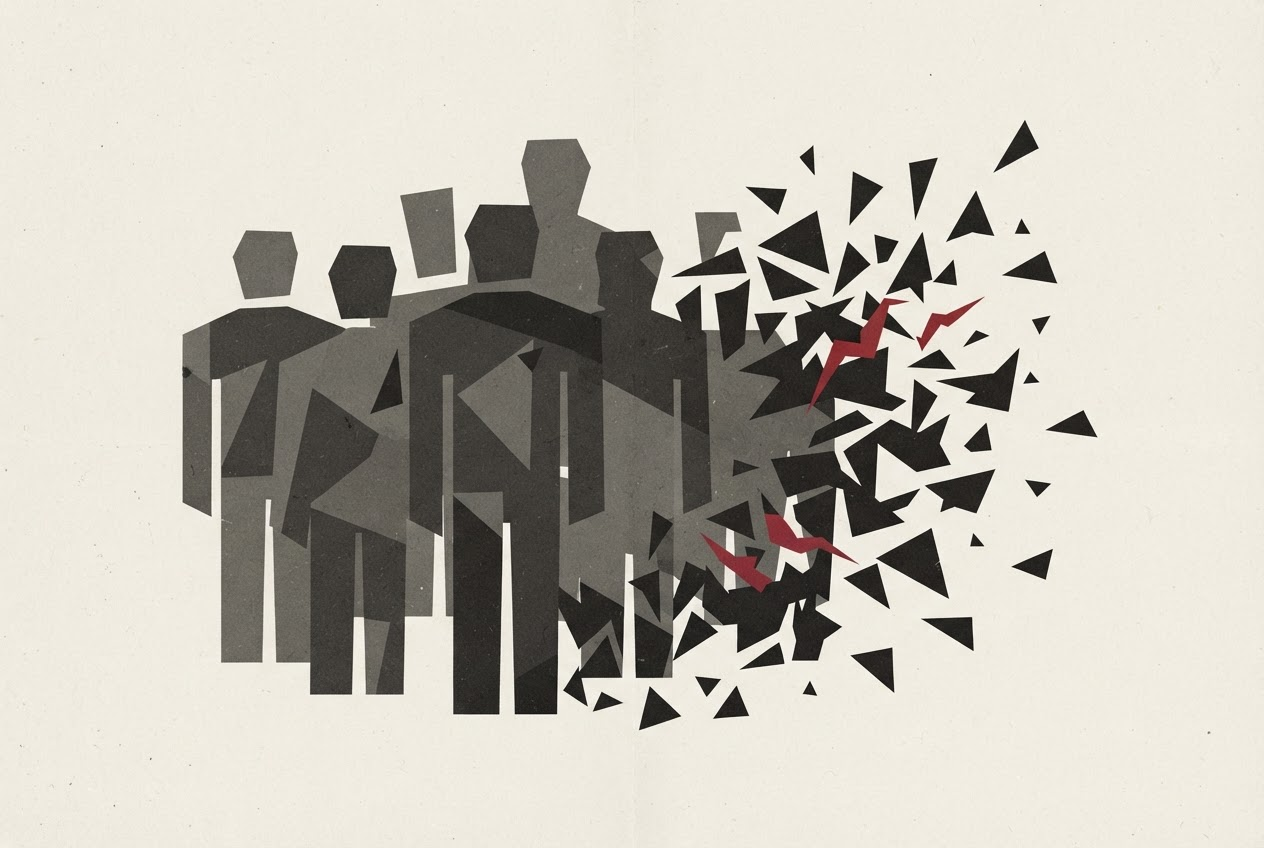
The World Health Organisation (WHO) has reported that drug-resistant bacterial infections claim approximately one million lives annually worldwide. This issue demands concerted efforts across various sectors, including human, animal, food, and environmental health, to mitigate the escalating threat. Jean-Pierre Nyemazi, Acting Director of the AMR Department at WHO Headquarters, emphasized this during a virtual media conference preceding the exhibition "AMR: The Human Stories Behind a Silent Pandemic" at the European Parliament.
This exhibition, held from 28 September to 2 October, showcased personal stories of individuals affected by AMR across Europe. AMR is a silent pandemic, with two people dying of bacterial AMR every minute, according to Mr Nyemazi. He stressed that the scale of deaths necessitates immediate action to curb this threat, noting that we have effective strategies to prevent and control AMR.
Preventing infections is the top priority, achievable through enhanced vaccination, infection prevention and control, Water, Sanitation, and Hygiene (WASH), and improved animal husbandry. Strengthening surveillance, responsible use of antimicrobials, ensuring access to quality medicines and diagnostics, and reducing environmental contamination can also make a significant difference.
The One Health approach, which acknowledges the interconnections between human, animal, plant, and environmental health, is crucial since drug-resistant pathogens can traverse sectors and borders. Parliamentarians play a vital role in supporting national AMR commitments through legislation, financing, and accountability. The media also holds a crucial role in bringing AMR from scientific discussions to public discourse, raising awareness, countering misinformation, and maintaining visibility for decision-makers and the public.
WHO Member States approved an updated Global Action Plan on AMR at the World Health Assembly in May, focusing on prevention, governance, behavioral change, and measurable targets. This plan is truly multi-sectoral, addressing AMR comprehensively across all sectors, unlike the previous plan's heavy emphasis on human health. A 10% reduction in AMR is achievable through improved infection prevention and control, vaccination, and access to quality antimicrobials, coupled with better coordination, education, and surveillance.
Investment in new antibiotics, antifungals, phage therapy, and other technologies is necessary, alongside addressing the major access problem, where many regions struggle to obtain existing antibiotics. One member of the European Parliament, Martin Hæusling, highlighted that excessive antibiotic use in food-producing animals, particularly through mass treatment, contributes to the problem and called for a shift away from this practice.
AMR is a global issue that can affect anyone, potentially destroying families and livelihoods. To combat AMR effectively, parliamentarians must create public awareness to ensure that parliaments address this issue seriously, making it evident that "silent" should no longer be a part of "silent pandemic."
Written by urgent.news from AllAfrica Health's reporting — not their text. Machine-written — may contain errors; check the original before relying on it.