Lagos moves to phase out diesel buses, mandates CNG, EVs for regulated operators
The Lagos Metropolitan Area Transport Authority (LAMATA) has begun phasing out diesel-powered buses from the state’s regulated public bus system, restricting operators adding new buses to compressed natural gas (CNG) and electric vehicles (EVs). The post Lagos moves to phase out diesel buses, mandates CNG, EVs for regulated operators appeared first on Nairametrics .
The Lagos Metropolitan Area Transport Authority (LAMATA) has initiated a transition away from diesel-powered buses in the regulated public bus system, mandating the use of compressed natural gas (CNG) and electric vehicles (EVs) for new operators. Engr. Mrs. Abimbola Akinajo, LAMATA's Managing Director/CEO, announced this change, revealing that new diesel buses will no longer be accepted, and existing diesel buses will be gradually replaced with CNG and electric alternatives.
The policy, effective at the start of 2026, aligns with Lagos' objective of achieving net-zero emissions by 2050, with transportation identified as a significant contributor to emissions. All buses in the regulated system will be powered by CNG or electricity by the time the transition is complete, with the system eventually moving exclusively to electric buses.
Currently, LAMATA has approximately 150 CNG buses and operates both high-capacity and medium-capacity electric buses. The new 20 CNG buses will bolster the existing CNG fleet, potentially serving the Ikorodu-TBS corridor due to high passenger demand. The shift to CNG and electric buses also aids LAMATA in managing escalating operating costs as diesel prices have more than doubled this year.
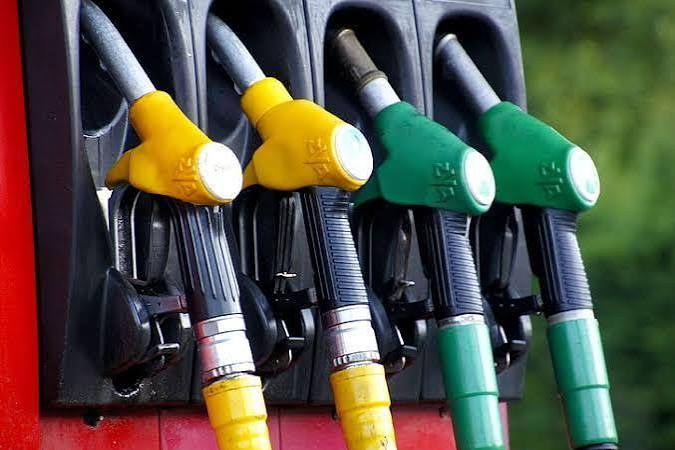
Diesel, which cost around N950 per litre at the beginning of the year, now ranges between N1,950 and N2,100 per litre. Akinajo highlighted that this price surge has considerably increased the operating costs of diesel-powered buses, potentially forcing operators to raise fares. LAMATA already has a CNG bus infrastructure and collaborates with private-sector partners like Ibile Oil & Gas to support CNG supply.
The Lagos State Transport Policy aims for 52% of BRT buses to be powered by clean energy by 2050, with a target to reduce car trips to 2% of total trips and increase biodiesel usage in freight vehicles. Gas and electricity are identified as cleaner fuels to mitigate transport emissions, with some BRT buses already transitioning to gas, and new buses procured by Lagos Bus Services Limited and private operators anticipated to be gas-powered.
The policy also outlines cleaner-fuel strategies, prioritizes routes for cleaner buses, and mandates the procurement of cleaner vehicles for BRT and other public transport modes. The Federal Government is promoting CNG and electric vehicles to lower transportation costs, with President Bola Tinubu stating that state governors have agreed to utilize their lower operating costs to reduce fares.
The government seeks to convert one million commercial petrol vehicles to CNG by 2027, with around 120,000 vehicles already converted, according to Pi-CNG/EV data, and the initiative has garnered over $2.5 billion in investment.
Written by urgent.news from Nairametrics's reporting — not their text. Machine-written — may contain errors; check the original before relying on it.