Is Iran's proxy strategy back?
The wars Israel, and later the US, have fought since October 7, 2023 have degraded Iran ’s so-called Axis of Resistance and discredited the forward-defence strategy meant to keep fighting away from Iranian territory. But Tehran ’s network of armed allies is not irrelevant. Its role in the regime’s strategic calculus has simply been demoted, differentiated and repurposed. Before October 7,…
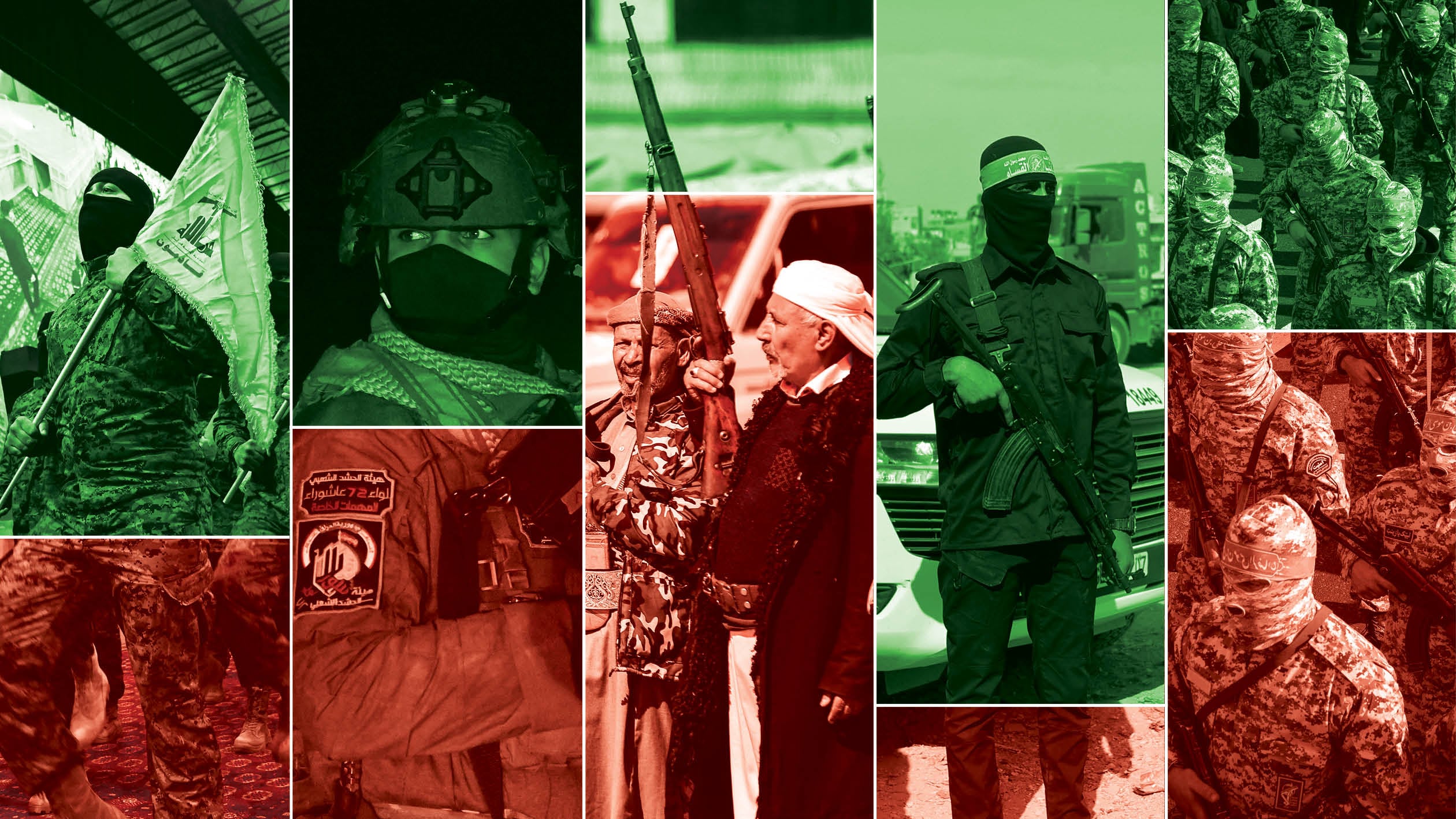
The wars in Israel and the subsequent US involvement have significantly weakened Iran's proxy strategy, known as the Axis of Resistance. The forward-defense strategy, which aimed to deter attacks on Iran by engaging its enemies abroad, has lost its effectiveness. Hezbollah, once the crown jewel of Iran's regional strategy, has seen a decline in its influence due to the fall of the Assad regime, the emergence of hostile governments in Lebanon, and Israeli military pressure.
Iran's allies, such as the Houthis, the Popular Mobilisation Forces in Iraq, and Hezbollah, continue to provide Tehran with strategic advantages. The Houthis control vital shipping routes, the Hashd Forces protect Iran's western flank, and Hezbollah still poses a challenge to Israeli forces. The regime has had to re-center its strategy closer to home, with Iran's own missiles and drones, as well as its ability to close the Hormuz Strait, becoming more crucial to imposing costs on its enemies.
Iran's strategic focus has shifted towards the Arabian Gulf and Red Sea, reordering the alliances and priorities within its network of allies.
Written by urgent.news from The National UAE's reporting — not their text. Machine-written — may contain errors; check the original before relying on it.
This story
This is one outlet's version. Read the fullest account.
- Is Iran's proxy strategy back? thenationalnews.com