How the US went from ‘a position of strength’ to ‘gung-ho’ on China
Not so long ago, Washington’s approach to relations with Beijing was anchored by a single assertive phrase: dealing “from a position of strength”. It was rooted in a unipolar mindset: a belief that the United States could dictate terms, manage competition unilaterally and demand compliance from a distance. Yet, at their recent summit, Chinese President Xi Jinping and US President Donald Trump…
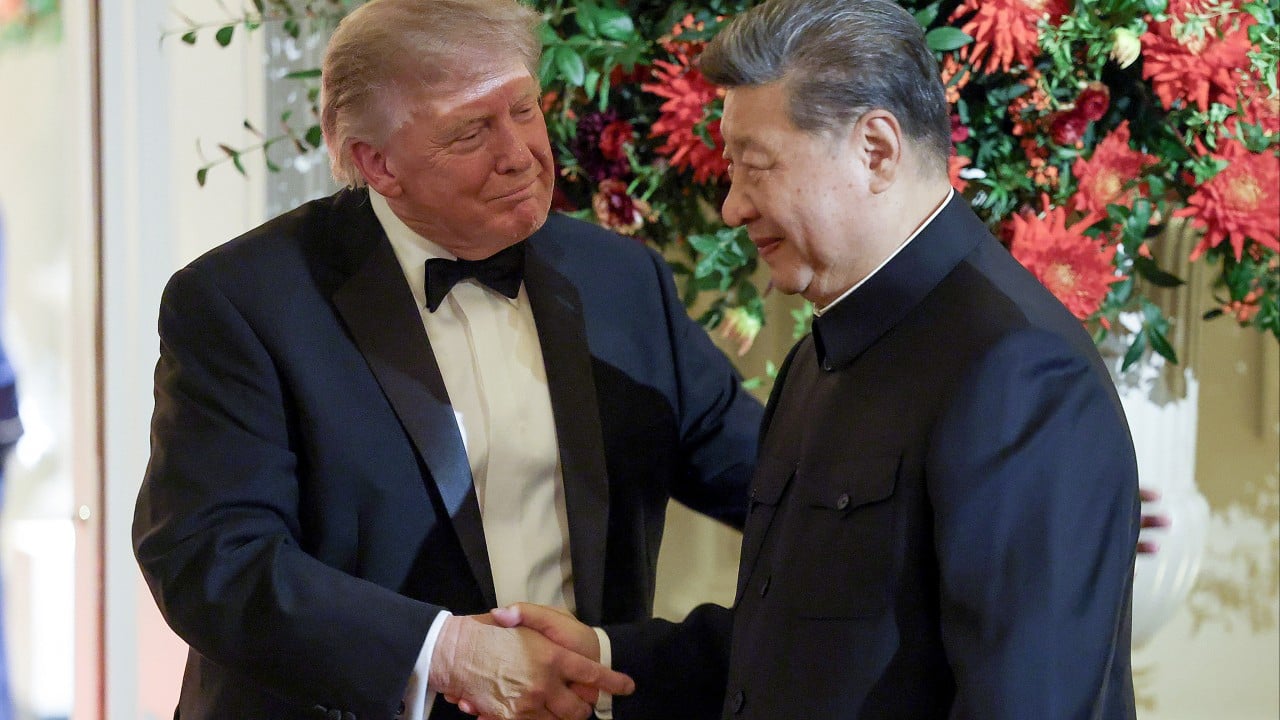
Once considered a bastion of strength, Washington's stance towards China underwent a remarkable transformation, embracing a more collaborative approach. This pivot was rooted in the understanding that attempting to decouple and sever supply chains proved economically detrimental rather than beneficial. The summit between Chinese President Xi Jinping and US President Donald Trump marked a significant shift in the American mindset, as both leaders acknowledged China's growing prominence on the global stage.
The transformation was evident in the reception accorded to Xi and his wife during their arrival in Washington. Trump and First Lady Melania Trump extended a warm welcome, greeting the couple on the tarmac with a 21-gun salute and full military honors from all branches of the armed forces. This gesture underscored Washington's recognition of China as an equal partner in global affairs.
The new strategic framework, characterized by "constructive strategic stability," emphasized respect, fairness, and reciprocity. Rather than resorting to endless tariff wars, both nations engaged in pragmatic negotiations, resulting in the formalization of trade and investment councils, the extension of trade outcomes, and a significant reduction in tariffs.
In the realm of artificial intelligence, a mature and responsible approach was adopted, with both countries establishing channels for communication on AI-related incidents and committing to regular dialogue.
Beyond diplomatic gestures, tangible progress was achieved through joint initiatives. The establishment of direct military crisis communication channels and joint law enforcement operations against illicit drug precursor networks demonstrated a shared commitment to managing potential conflicts. These actions highlighted that treating China as an equal equals was the only viable way to navigate geopolitical tensions.
A shift in American domestic opinion further solidified this new approach. Recent polling revealed a generational divide, with younger generations recognizing that global challenges cannot be resolved through coercion. They viewed China not as an existential threat but as a formidable civilizational power worthy of coexistence. This change in mindset was symbolized by the invocation of the term "gung-ho," originally associated with Chinese industrial cooperatives and later adopted by the US Marine Corps.
The term represented teamwork, enthusiasm, and mutual respect, resonating with both leaders as they honored the legacy of past cooperation during World War II.
The summit's human elements, such as a grand state dinner adorned in red and a visit to the National Archives, reinforced the spirit of mutual respect. The arrival of giant pandas at Atlanta Zoo added a touch of charm, further emphasizing the importance of soft power in bridging cultural divides. Ultimately, a stable and healthy China-US relationship benefits both nations and the entire world.
By prioritizing dialogue over confrontation, global financial markets gain certainty, international trade routes remain secure, and existential risks such as rogue AI and nuclear proliferation are kept under human control.
The foundation of China-US relations lies in the hearts of their respective people, with the future resting on the shoulders of the youth. China's commitment to inviting 100,000 young Americans to study and build connections in the country over the next five years exemplifies a strategic investment in fostering understanding and empathy between the two nations.
As young Americans and Chinese engage in collaborative learning and business ventures, they dismantle propaganda and cultivate genuine respect for one another. This cultural exchange exemplifies the spirit of "gung-ho" – working together as equals for a peaceful global order that both nations cannot afford to jeopardize.
Written by urgent.news from Reuters Business via SCMP's reporting — not their text. Machine-written — may contain errors; check the original before relying on it.
This story
This is one outlet's version. Read the fullest account.