How 29 bridges built modern Seoul
Long before millions of commuters swept across the Han River daily in sleek subways and air-conditioned sedans, crossing the massive waterway dividing northern and southern Seoul was a hazardous undertaking. In the Joseon Dynasty, travelers relied on simple wooden ferryboats or temporary pontoon structures fashioned from long rows of skiffs bound together with thick rope. Today, the river is…
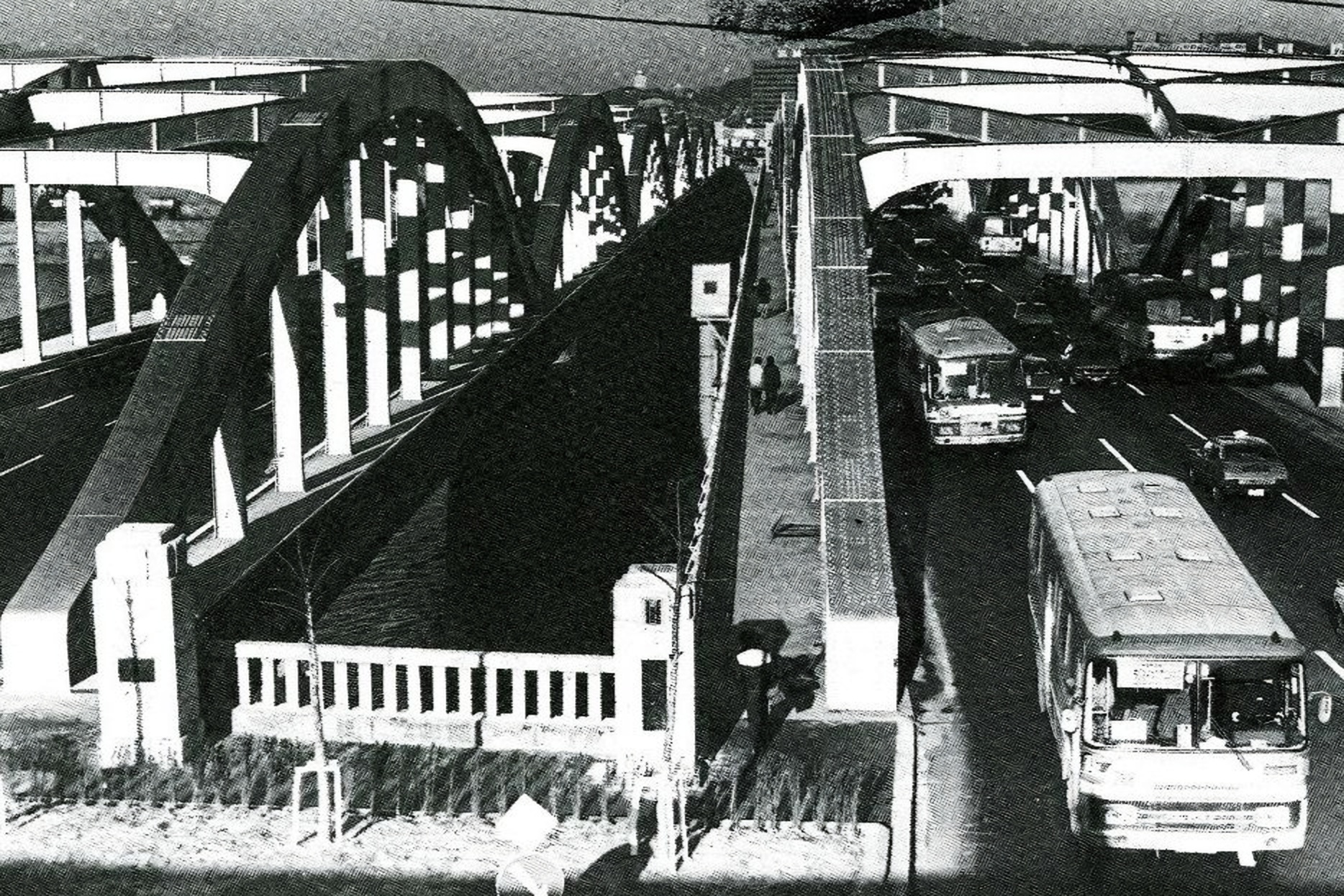
Seoul's iconic bridges have played a pivotal role in the city's remarkable transformation from a war-torn nation to a bustling metropolis. Before the advent of modern infrastructure, crossing the Han River was a perilous endeavor, requiring travelers to rely on primitive wooden ferryboats or temporary pontoon structures. These early crossings served as the only means of traversing the massive waterway that divides northern and southern Seoul.
However, as Korea's economy began to flourish and the city's population grew exponentially, the need for more reliable and efficient transportation bridges became increasingly apparent. In response to this demand, the Korean government embarked on a monumental endeavor to construct an extensive network of concrete and steel bridges across the Han River.
These modern marvels not only facilitated the daily commutes of millions of Seoul residents but also served as tangible symbols of the city's rapid progress and integration into the global community.
Written by urgent.news from The Korea Times's reporting — not their text. Machine-written — may contain errors; check the original before relying on it.
This story
This is one outlet's version. Read the fullest account.
- How 29 bridges built modern Seoul koreatimes.co.kr