How 29 bridges built modern Seoul
Long before millions of commuters swept across the Han River daily in sleek subways and air-conditioned sedans, crossing the massive waterway dividing northern and southern Seoul was a hazardous undertaking. In the Joseon Dynasty, travelers relied on simple wooden ferryboats or temporary pontoon structures fashioned from long rows of skiffs bound together with thick rope. Today, the river is…
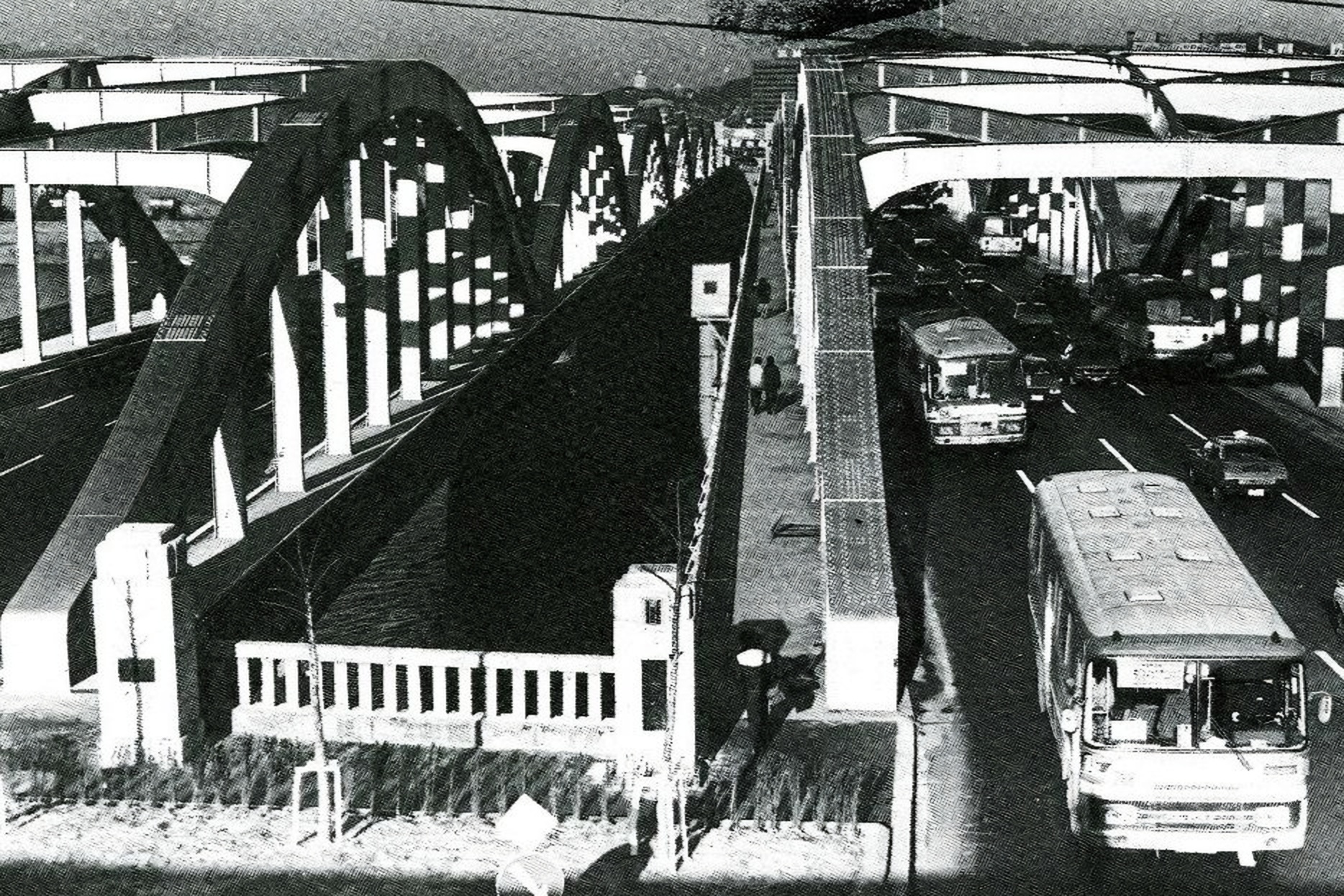
Long before millions of commuters navigated the Han River daily in modern subways and air-conditioned vehicles, traversing the river was a perilous endeavor. During the Joseon Dynasty, people utilized basic wooden ferryboats or temporary pontoon bridges constructed from numerous skiffs bound together with thick ropes. Today, the river is traversed by numerous concrete and steel structures that serve not only as transportation arteries but also as symbols of Korea's evolution from a poverty-stricken, conflict-ridden country to a sprawling international hub.
Seoul's Future Hangang Project Headquarters recently released two new volumes in its Hangang Story Series, a cultural and historical account capturing the city's development through the lens of its prominent bridges. The two-volume publication, titled Bridges of the Han River, focuses on 29 specific bridges - 23 within Seoul itself and six extending into the surrounding areas - detailing their historical journey from rudimentary pontoon crossings to the sophisticated, high-tech structures of today.
Written by urgent.news from The Korea Times's reporting — not their text. Machine-written — may contain errors; check the original before relying on it.
Also reported by 1 other outlet
- How 29 bridges built modern Seoul koreatimes.co.kr