Google sends AI data centre to space, but experts warn of obstacles
Opposition to data centres is growing in many parts of the world. Google , however is trying to address this issue in an unconventional way by testing how a data centre might operate in space. The Alphabet -owned company announced on Thursday that Project Suncatcher, which has been in the research and development stage for several years, had been launched into space "aboard the Transporter-18…
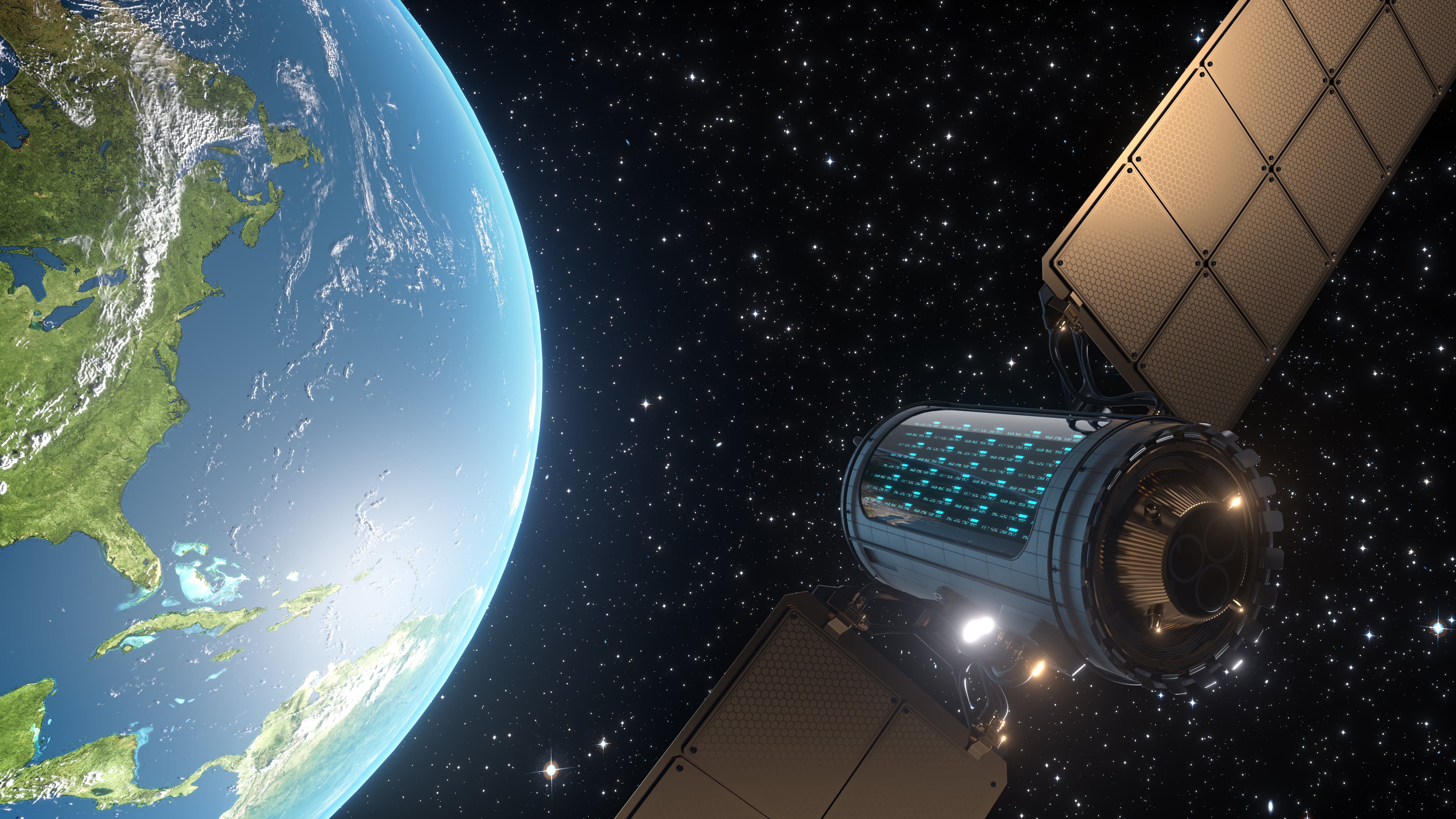
Google has ventured into an unconventional approach by testing a data centre in space with its Project Suncatcher initiative. The company, which owns Alphabet, launched a prototype satellite carrying four TPUs aboard SpaceX's Transporter-18 rideshare mission on Thursday. This marks the first step in Google's long-term research project, aiming to explore whether space could host scalable machine learning infrastructure necessary to fuel the AI boom.
Google's data centres are often criticized for their noise, size, and intense energy needs, but launching a data centre in space could potentially solve these issues. The satellite launched on Thursday successfully positioned Google's technology in orbit, paving the way for testing how well its technology and processors operate in space.
One of the key advantages of this approach is that satellites in low-Earth orbit can access near-constant sunlight, generating up to eight times more solar power than on Earth. This could potentially address concerns about data centres' energy consumption. Google's initiative is not the first of its kind, as technology tycoon Elon Musk had previously discussed the idea of placing AI infrastructure in orbit.
However, Google is the first to attempt to turn this concept into reality. Despite generating significant interest, putting data centres in space remains a distant goal, with experts cautioning about the numerous obstacles that need to be overcome. Engineers have highlighted challenges related to the extreme cold in space, radiation, and the difficulty of upgrading hardware in orbit.
While Google acknowledges these challenges, the company remains optimistic about the potential benefits of orbital data centres in reducing AI's carbon footprint.
Written by urgent.news from The National UAE's reporting — not their text. Machine-written — may contain errors; check the original before relying on it.
Also reported by 1 other outlet
- Google sends AI data centre to space, but experts warn of obstacles thenationalnews.com