Google launches first datacenter satellite and research that finds orbiting bit barns can work
If SpaceX can launch 1,800 Starships, and researchers nail gnarly networking, design and formation flying problems,
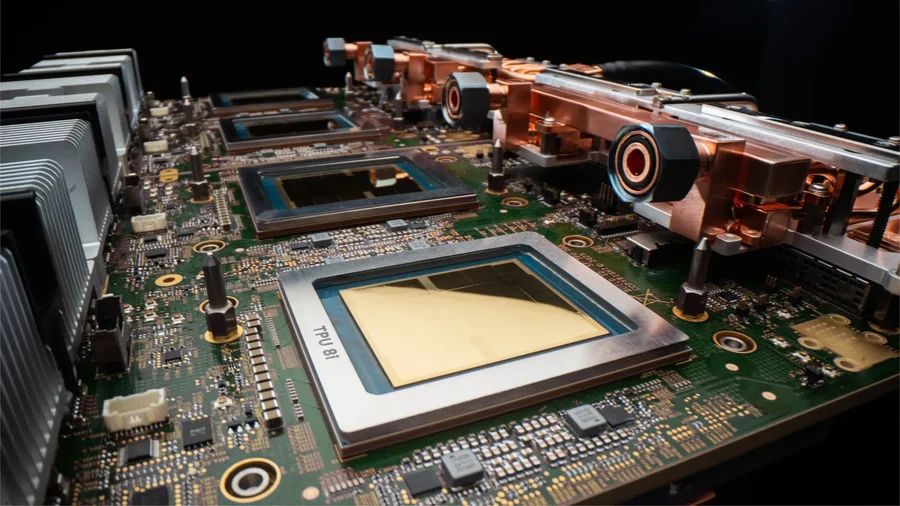
Google has successfully launched its first "Suncatcher" datacenter satellite, but questions remain about the feasibility of scaling up its orbital ambitions. Project Suncatcher aims to test whether Google's tensor processing units (TPUs) can survive the harsh conditions of space. The company believes that the limitless solar energy in space could make launching servers into orbit cost-effective when launch costs fall to $200 per kilogram.
Google's researchers have published a paper outlining the challenges to make orbital datacenters scalable and viable. They note that SpaceX has reduced launch costs by 20% after every doubling of cumulative mass launched, suggesting that if SpaceX can maintain this trend, launching 370,000 additional tonnes of mass could make $200/kg a plausible target.
However, the mass of Google's future datacenter satellites remains unknown. The company points to Starlink's second-gen satellites weighing 575kg as a comparison point. While Google's calculations suggest that annualized power costs in space could be comparable to terrestrial costs if launch costs reach $200/kg, the paper acknowledges that existing network technologies may not be suitable for linking multiple satellites.
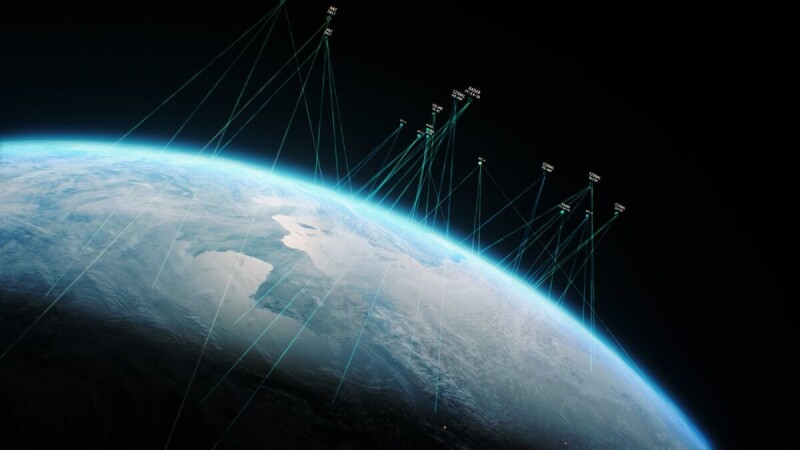
Google proposes a more integrated satellite design, potentially incorporating neural cellular automata architectures for future scalable computing in space. Robust optical satellite-ground communications will also be crucial, addressing challenges such as atmospheric turbulence, high-speed relative motion errors, and precision beam tracking.
Written by urgent.news from The Register Science's reporting — not their text. Machine-written — may contain errors; check the original before relying on it.
This story
This is one outlet's version. Read the fullest account.