GM’s Mary Barra says the EV transition is still the destination—even if the road is longer
She's also setting her sights on a future in which drivers can look away from the road.
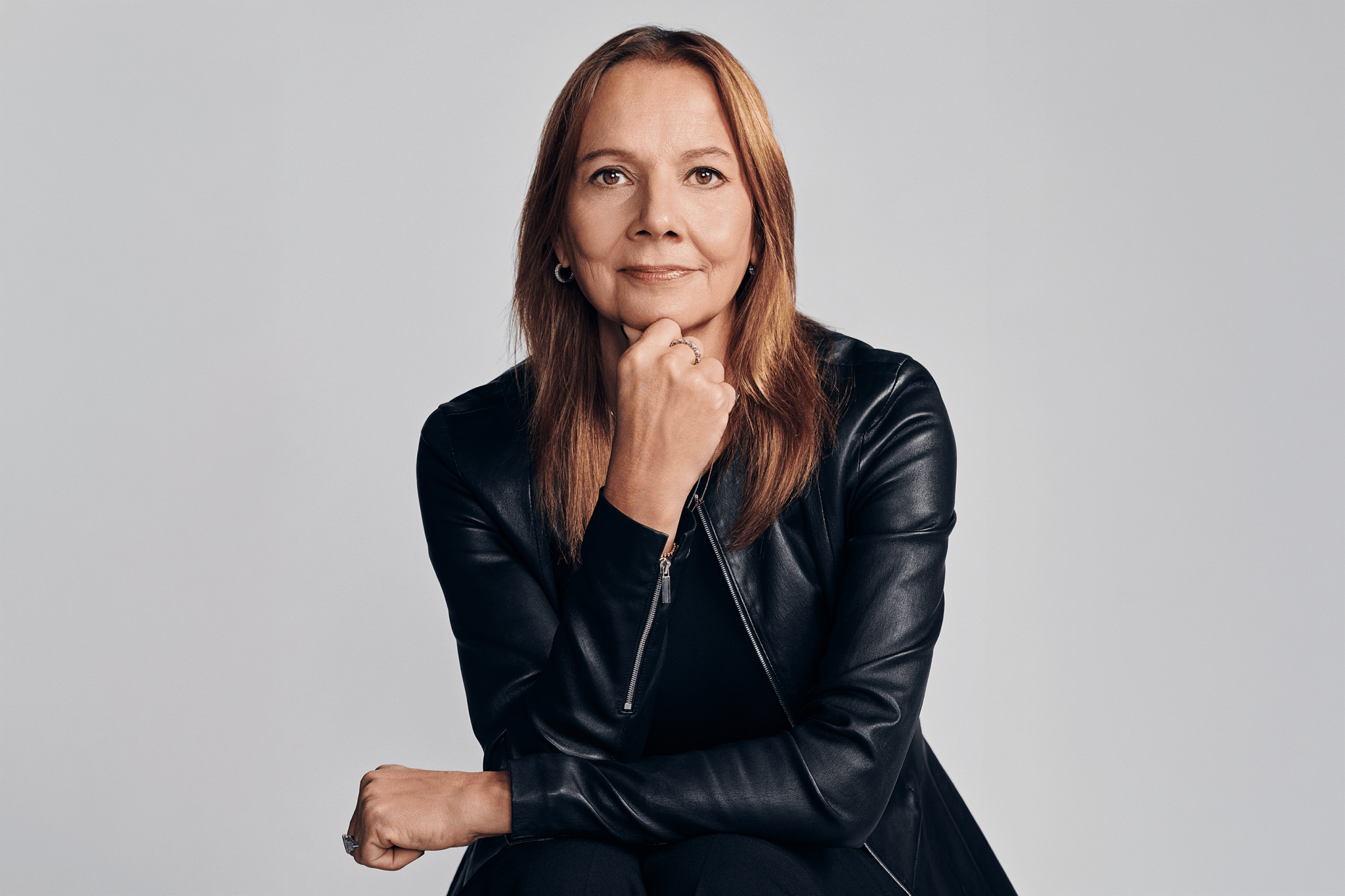
In the past dozen years, General Motors (GM) CEO Mary Barra has faced numerous challenges as the U.S. auto industry has undergone significant changes. After a reputation-wrecking ignition-switch crisis in 2014, Barra worked to modernize the company's culture and rebuild customer trust. Since then, she has navigated a global pandemic, tariffs, supply-chain disruptions, the rise of artificial intelligence, and the emergence of China as an electric-vehicle superpower.
Additionally, shifting U.S. policies under the Trump administration have complicated the EV transition. Barra recently told Fortune's Titans podcast that the EV transition remains the ultimate goal for GM, despite the longer-than-anticipated road ahead. GM currently offers more than a dozen electric vehicles, alongside its traditional lineup of profitable internal-combustion models.
Barra emphasizes the importance of maintaining a diverse portfolio of vehicles to cater to customers' varied preferences. At the same time, she is focusing on rapid response to changing conditions, both in Washington and elsewhere. GM has also shifted its priorities when it comes to autonomous driving. While Barra once predicted a speedy arrival of self-driving cars, she is now more cautious about making predictions.
However, GM expects to offer an eyes-off-the-road highway driving feature on the Cadillac Escalade IQ in 2028, building upon the company's existing hands-free Super Cruise system. Barra stresses safety as the top priority for this technology, acknowledging the importance of maintaining consumer confidence. Reflecting on the company's past, Barra draws lessons from the ignition-switch crisis and the collapse of GM's Cruise robotaxi venture.
The ignition-switch scandal highlighted a deeply troubling bureaucratic culture within the company, which had allowed a deadly defect to persist for months. The company ultimately recalled millions of vehicles and paid billions in penalties and settlements. In response, Barra implemented changes to improve problem-solving, employee communication, and cultural transformation.
She also learned from the failure of Cruise, a costly bet on robotaxis that GM eventually wound down. Barra recognized that personal autonomous vehicles were a more natural fit for the company's expertise in building vehicles tailored to individual customers. As CEO, Barra is now focused on rebuilding training programs and interest in skilled trades, drawing on her family's long history of involvement in the skilled trades within GM.
Written by urgent.news from Fortune's reporting — not their text. Machine-written — may contain errors; check the original before relying on it.