Beyond the farm: Why young Malaysians should see agriculture as a business — Nur Yuhainis Ab Wahab
OCTOBER 2 — When we talk about agriculture, many people still imagine paddy fields, farms, hoes, and working under...
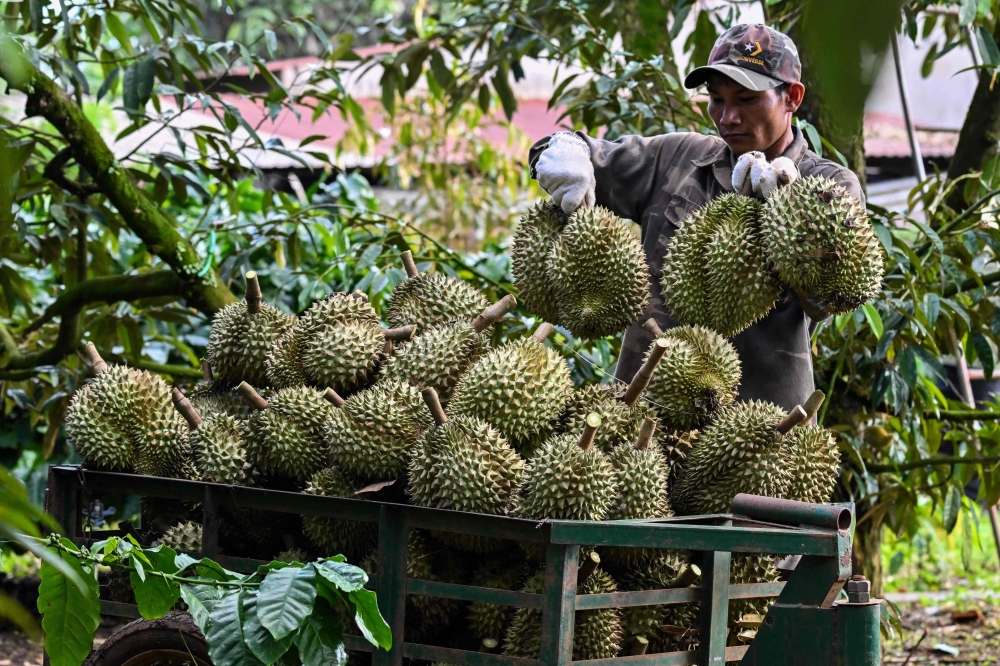
October 2 — Agriculture is often thought of as fields, farms, and manual labor, but it is evolving into a business realm that involves technology, innovation, marketing, and entrepreneurship. The question is: should we still consider farmers as mere producers or shift our perspective to acknowledge them as agropreneurs who can generate value from agricultural products?
This shift in mindset is crucial, especially for the younger generation. The Department of Agriculture recognizes this and has launched the Young Agropreneur Programme to encourage youth involvement in crop production, livestock, fisheries, agro-based industries, and marketing. The program offers support through incentives, financing, training, and technical advice.
However, mere assistance isn't enough to make someone a successful entrepreneur. The real challenge arises once the project begins. Malaysia needs to transform young farmers into value-creating agropreneurs by integrating agriculture with business skills, technology, innovation, branding, and market knowledge. It's not enough to know how to grow chillies, cultivate vegetables, or raise livestock.
A young agropreneur must understand their customers, production costs, pricing, branding, and market demand. For instance, selling fresh produce can be profitable, but enhancing it with processing, attractive packaging, branding, and digital marketing can significantly boost its value. Opportunities in agropreneurship extend beyond the farm, from small processing facilities to digital platforms and direct-to-consumer sales.
The challenge lies not only in capital but also in management knowledge, effective marketing strategies, understanding customer needs, aligning production with market demand, and planning for risks. The development of agropreneurs should focus on building capabilities and sustainable businesses, moving beyond the approach of "providing assistance and starting a project" to "building capabilities and sustainable businesses."
Training should encompass financial management, digital marketing, branding, e-commerce, market analysis, product innovation, and data-driven decision-making. Technology is unlocking new possibilities. Drones, IoT, automation, smart farming systems, and AI can boost production efficiency and support data-driven decisions. However, technology shouldn't be viewed solely as machinery.
It can also serve as a potent marketing tool. Today's young agropreneurs can create customer communities and online orders, share production processes on social media, and build consumer trust without relying heavily on intermediaries. The younger generation has an advantage here, being more familiar with digital technology and possessing the potential to merge creativity, marketing, and entrepreneurship with agricultural expertise.
Shifting perceptions of agriculture as a career is another challenge. Young people should not enter agriculture merely due to land access or government assistance. Instead, they need to view agriculture as a professional career and a path to building a sustainable business. The Economic Census 2023 shows that there are 71,112 youth-owned establishments in Malaysia, generating a gross output of RM80.7 billion.
While most are in the services sector, these figures demonstrate the potential of young people to become significant economic contributors in the agri-food sector. How can we channel this entrepreneurial spirit into agriculture? We need more young people to see a paddy field as an opportunity to create a business model rather than just a place to grow rice.
We need entrepreneurs who view agricultural products as raw materials for innovation. The future of agropreneurship should not be measured solely by the number of hectares cultivated or the tonnes of produce. We should also consider the value created, employment opportunities generated, new products developed, and the market reached.
This shift in perspective is crucial. All stakeholders, including the government, educational institutions, agricultural agencies, financial institutions, and the private sector, must play their part. Universities, in particular, can play a more significant role in fostering knowledge-based agropreneurs through entrepreneurship education, innovation, research, and technology transfer.
The ultimate goal is not just to produce more farmers but to cultivate individuals who know how to produce, process, market, innovate, and create value.
Written by urgent.news from Malay Mail's reporting — not their text. Machine-written — may contain errors; check the original before relying on it.