AI took our jobs, but our mortgage didn’t disappear
The new economy brings new challenges, but while one can learn new skills to adapt, there are fixed realities that are not so easy to face up to.
Bobby McFerrin's 1988 hit "Don't Worry, Be Happy" offers a simple remedy in times of trouble. However, for an average Malaysian man in his late forties today, there is much to be worried about. He has a family, a mortgage, two cars, and various monthly commitments. He has worked hard, built a career, paid his taxes, and taken loans that he believed he could afford.
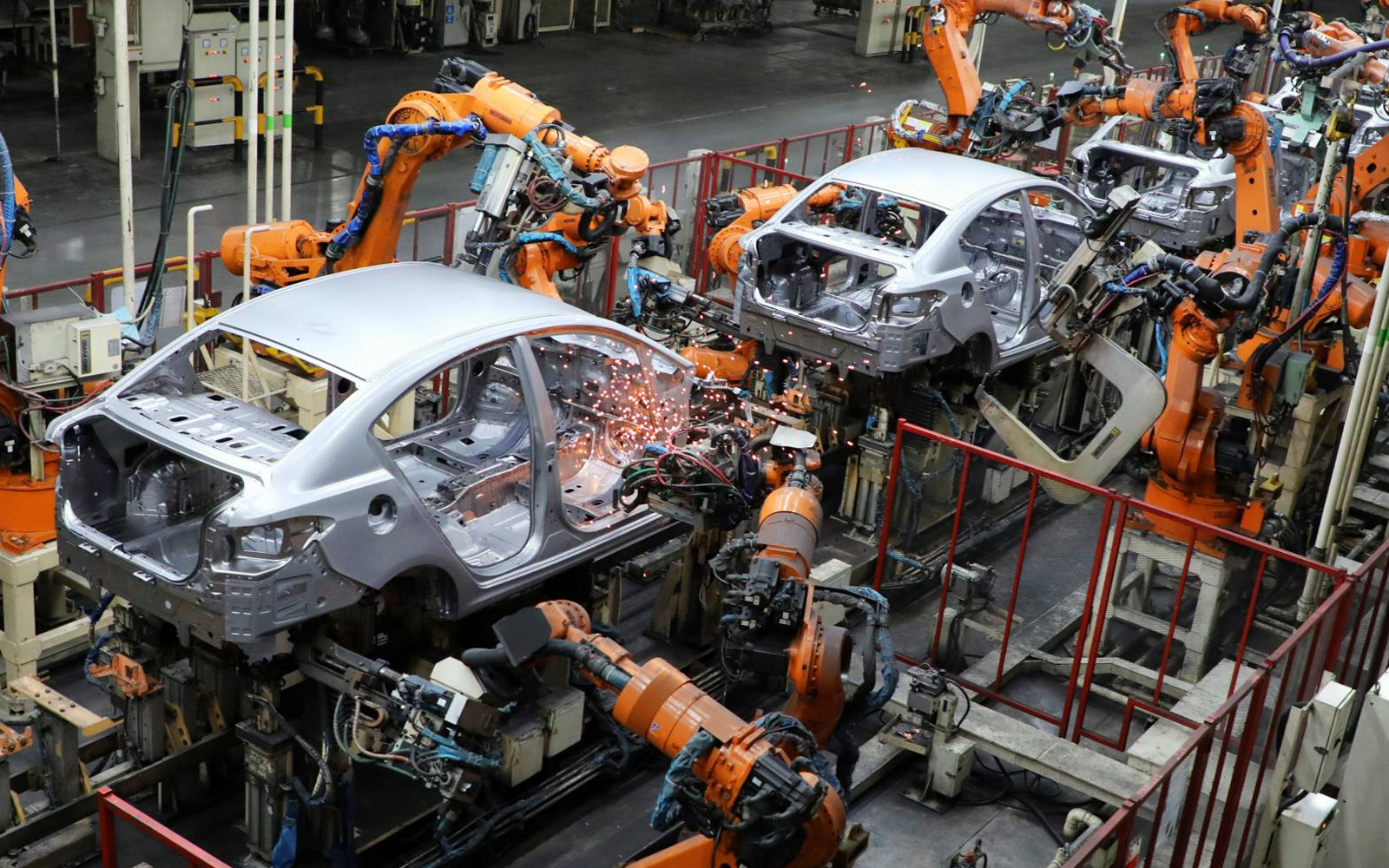
But when his company restructured due to technological advancements, he lost his job. Despite being told not to worry and to reskill, his financial obligations remain unchanged. The mortgage, car loan, credit card bills, school expenses, and insurance payments still need to be met. When banks notice missed payments, they ring him, expecting immediate payment.
Malaysia is considering the impact of AI on jobs and recommending ways to protect workers, with AI Malaysia Bhd tasked with studying the issue. AI Malaysia Bhd estimates that hundreds of thousands of employees across various sectors could be severely affected by AI, digitalization, and green economy changes. While reskilling and upskilling are necessary, the transition period between losing a job and becoming future-ready is often overlooked.
Malaysia has an employment insurance system to provide temporary income replacement and re-employment assistance, but this may not be enough. The banking, housing, healthcare, education, taxation, and social protection systems all come into play when someone loses a job. Public policy should not operate in silos when technological displacement becomes significant, as the impact on various sectors will affect individuals' financial stability.
Structured temporary repayment flexibility for displaced workers during retraining or seeking employment, automatic connection to financial counseling, and mental health support could be part of displacement programs. These measures are not unprecedented, as banks provided borrowers assistance during global supply disruptions and conflicts during the COVID-19 pandemic.
However, AI policy should extend beyond reskilling and upskilling, ensuring that individuals do not lose their homes while learning how to survive in the new economy. The responsibility should not be solely on the individual to adapt to the new reality, as resilience alone cannot renegotiate mortgages, redesign unemployment protection, or coordinate ministries.
Written by urgent.news from Free Malaysia Today's reporting — not their text. Machine-written — may contain errors; check the original before relying on it.
Also reported by 1 other outlet
- AI took our jobs, but our mortgage didn’t disappear freemalaysiatoday.com