Why Andy Burnham has got it wrong on Man City’s Abu Dhabi owners
COMMENT: Andy Burnham confessed he would be ‘really concerned’ if Man City’s Abu Dhabi owners sold but, as Miguel Delaney writes, the prime minister’s view clashes with those inside football and a pressing need to change the rules concerning state ownership
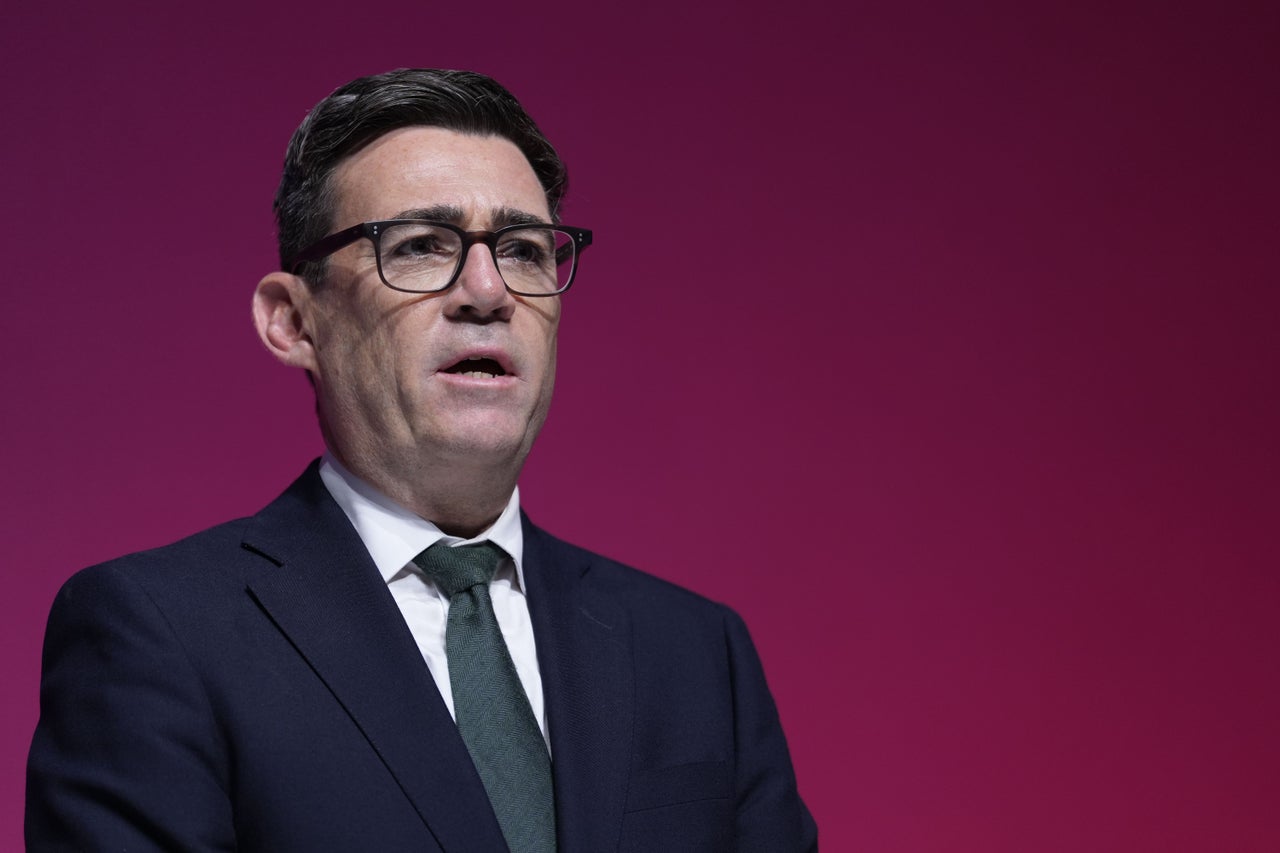
Andy Burnham, the former mayor of Manchester and now the Prime Minister of the United Kingdom, has made comments about Manchester City's Abu Dhabi owners that have caused controversy within English football. Burnham's remarks, which compare the situation to the Everton points deduction, have been criticized by many in the football industry who believe that the owners should be removed from their positions due to the potential risks and problems associated with state ownership.
The controversy stems from the fact that Manchester City's owners, through their company Etihad, have been linked to a sophisticated attempt to circumvent or violate football's regulations. This situation is particularly problematic because state-owned companies like Etihad are not subject to the same level of oversight and scrutiny as privately-owned businesses.
Burnham's comments, which express concern about losing Manchester City, suggest that he may be trying to maintain good relations with the Abu Dhabi political leadership, despite the ethical issues surrounding the club's ownership.
Political experts have pointed out that the tensions between a liberal democracy like the UK and an absolute monarchy like the UAE can create a unique dynamic when it comes to football club ownership. The Abu Dhabi political leadership may not fully understand the constraints that a democratic system imposes on its ability to influence football institutions. This could potentially lead to further diplomatic incidents and geopolitical concerns.
In response to Burnham's remarks, some in the football industry have suggested that he is merely attempting to show solidarity with his allies in the UAE, as he cannot actually do anything about the situation. Others have argued that the use of diplomatic immunity by City chairman Khaldoon Al Mubarak, who has been a key figure in the club's operations for years, highlights the need for greater scrutiny of individuals involved in the running of the club.
Ultimately, the issue at hand is not just about football, but about the broader implications of state ownership in sports and the potential risks it poses to the integrity of the game. As football insider Richard Masters put it, "all three of these stories alone are perfect examples of why states should not own football clubs."
Written by urgent.news from Yahoo Sports's reporting — not their text. Machine-written — may contain errors; check the original before relying on it.