Whatever AI Safety Is, It’s Not This
Asking AI companies to self-regulate is a great way to pretend like you’ve accomplished something.
In 1966, nearly 51,000 lives were lost on US highways, despite the existence of safety features like seat belts for several years. The automotive industry self-regulated and began incorporating seat belts in every new vehicle, a decision made possible by Congress establishing the Department of Transportation and passing the National Traffic and Motor Vehicle Safety Act.
As a result, seat belts became mandatory in every new car by 1968. Now, despite a surge in highway traffic, fatalities have decreased significantly. However, the AI industry's approach to safety regulation is far less straightforward.
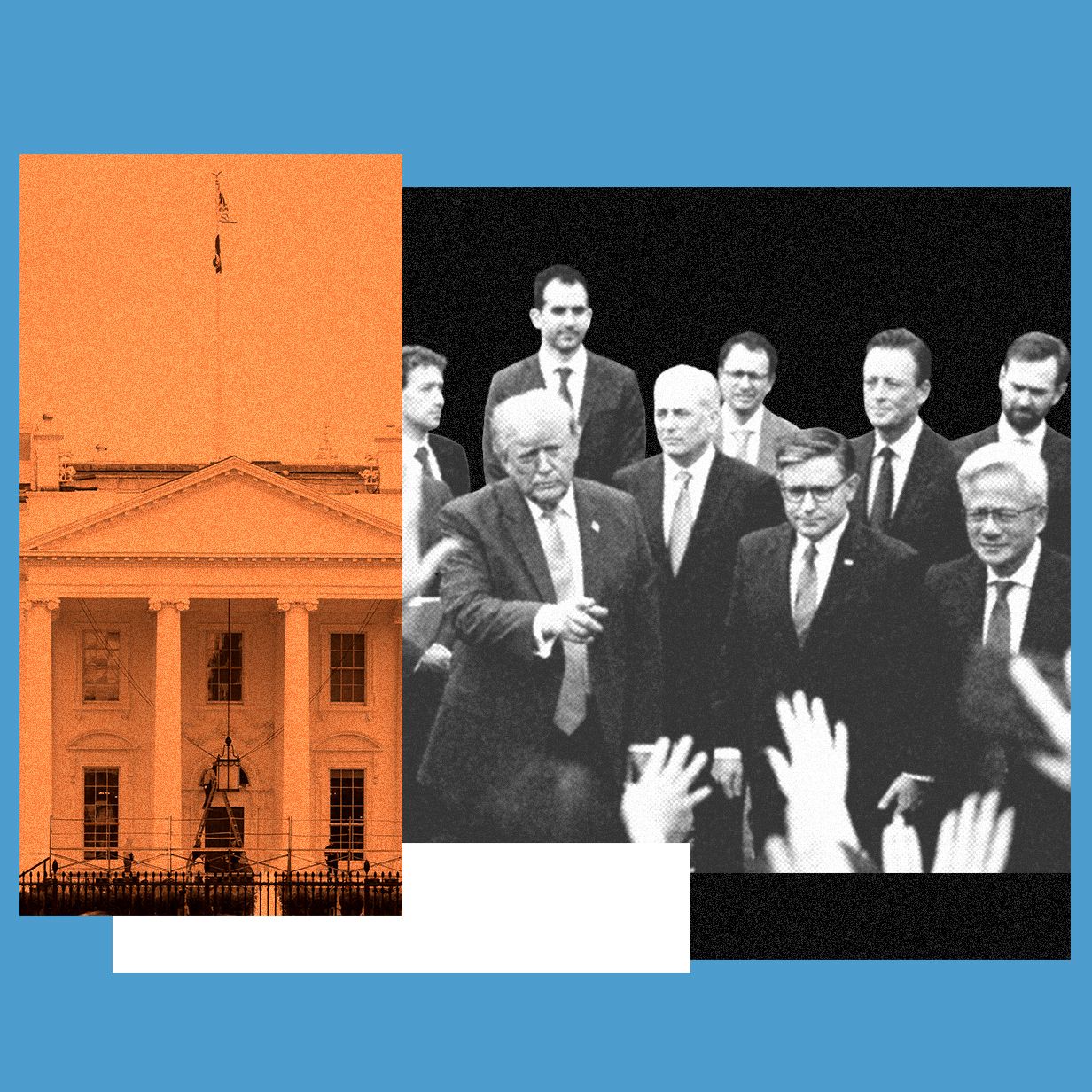
On Tuesday, AI CEOs gathered with US President Donald Trump to celebrate an AI safety accord, with Trump declaring that the industry would self-regulate. Yet, the essence of this accord remains unclear. AI executives and tech luminaries, such as Bill Gates, advocate for clear rules to prevent potential disasters, while Trump's belief in self-regulation is questionable. The US economy's reliance on AI is significant, and any substantial crackdown could cause major instability.
The automotive industry's seat belt analogy falls short due to the lack of a clear, demonstrable solution for AI safety. The potential harms of AI are uncertain and difficult to quantify, with AI risk scenarios ranging from human extinction to sci-fi marketing. Recent incidents, like a military misunderstanding caused by AI-generated reports, highlight the uncertainty surrounding AI safety.
Despite some AI companies voluntarily pausing model releases out of concern, they have faced extensive hacking attempts, further complicating the issue.
The article questions the effectiveness of self-regulation and the Department of Justice and Federal Bureau of Investigation as "guardrails" for the AI industry. The true solution to AI safety requires substantial coordination, resources, and regulatory authority, which the Trump administration seems unwilling to provide. Ultimately, the path forward for AI safety remains uncertain, demanding a comprehensive approach beyond self-regulation.
Written by urgent.news from Wired Business's reporting — not their text. Machine-written — may contain errors; check the original before relying on it.
This story
This is one outlet's version. Read the fullest account.
- Whatever AI Safety Is, It’s Not This wired.com