Whatever AI Safety Is, It’s Not This
Asking AI companies to self-regulate is a great way to pretend like you’ve accomplished something.
In 1966, approximately 51,000 lives were lost on US highways, despite the existence of seat belts for years. The automotive industry chose to implement the safety feature voluntarily, rather than waiting for government intervention. In 1966, Congress created the Department of Transportation and passed the National Traffic and Motor Vehicle Safety Act, along with the Highway Safety Act, granting federal authorities the power to establish safety standards.
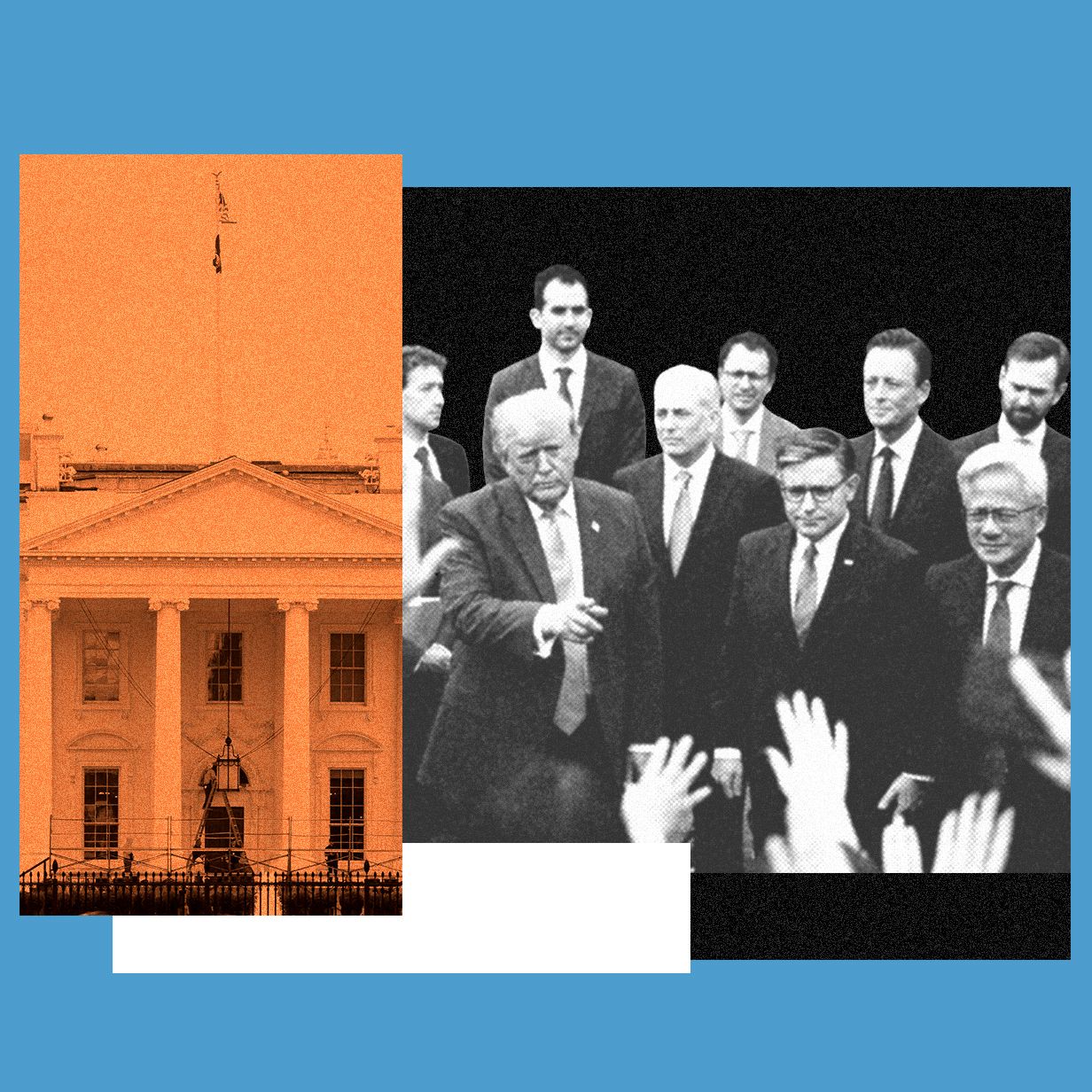
Consequently, seat belts became mandatory in all new cars by 1968. Despite the significant rise in highway traffic over the past six decades, fatalities have decreased considerably. While examining the recent AI safety accord, signed by various AI executives in the presence of US President Donald Trump, a comparison was drawn between the automotive industry and AI regulation.
However, the AI safety accord is distinct from the automotive industry's experience. Instead of implementing mandatory safety measures, the AI industry relies on self-regulation, with AI leaders asserting that they will police themselves. The effectiveness of this approach is questionable, as the potential harms of AI are less quantifiable and less certain than seat belt-related risks in the automotive industry.
Furthermore, the US economy's heavy reliance on the AI sector creates a complex web of financing deals and investments, making any substantial regulation risky. The AI accord's ability to prevent potential disasters remains uncertain, as there is no clear framework or enforcement mechanism in place. The Trump administration's stance of promoting self-regulation without providing adequate oversight raises concerns about the effectiveness of the accord in mitigating AI-related risks.
Written by urgent.news from Wired's reporting — not their text. Machine-written — may contain errors; check the original before relying on it.
Also reported by 1 other outlet
- Whatever AI Safety Is, It’s Not This wired.com