What the taxi industry can teach us about South Africa
Two books based on more than a decade of research into South Africa’s minibus taxi industry challenge conventional ideas about informality, governance and formalisation. They argue that the knowledge of taxi drivers, operators, marshals, commuters and communities should inform efforts to transform the industry
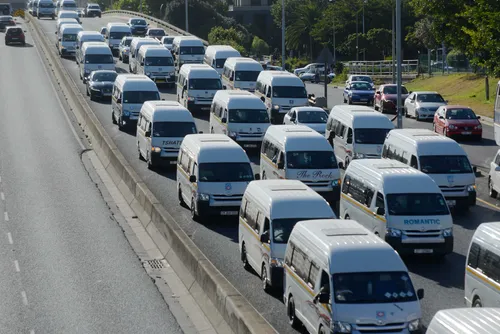
Two recent books examine the minibus taxi industry in South Africa, focusing on formalisation, labour precarity, regulation, governance, violence, mobility and social justice. The industry is often described as "informal", "unregulated", or "difficult to govern," but it contains extensive knowledge, organisation and social practices developed by those who work within it. Taxi drivers, operators, marshals and commuters all possess valuable insights into the functioning and challenges of the industry.
The question is not whether this knowledge should replace scientific or governmental knowledge, but rather why it is often treated as less authoritative. African philosophy and epistemology become relevant in this context. The term "informal" can be misleading, as an institution can be informal without being disorganised or deficient. Formalisation programmes have not always improved working conditions, as replacing vehicles or introducing formal regulations does not necessarily transform social relations.
Workers possess valuable experience and knowledge that should not be dismissed simply because it was not produced in a university, government office or consultancy. Recognising people as knowers means acknowledging their contributions to the production of knowledge. Policymakers should consider what formalisation means in this particular African context and how existing social systems can inform the transformation of the industry.
Millions of South Africans rely on the minibus taxi industry for mobility, and their experiences should be recognised as legitimate sources of knowledge when shaping public policy. African philosophy, such as ubuntu, can offer valuable perspectives on the interconnectedness of individuals and communities in understanding and addressing the challenges faced by the minibus taxi industry.
Written by urgent.news from IOL's reporting — not their text. Machine-written — may contain errors; check the original before relying on it.
This story
This is one outlet's version. Read the fullest account.
- South Africa: Ramaphosa orders crackdown on unsafe streets to protect women kbc.co.ke
- South Africa summons US ambassador for third time in nine months dailypost.ng
- South Africa orders nationwide security sweeps after 12 women killed gbcghanaonline.com
- Violence against teachers raises alarm in South Africa's schools iol.co.za
- EU pesticide rule changes raise concerns for South Africa mg.co.za
- High Commission sends caution to Ghanaians in South Africa ahead of planned protests myjoyonline.com