‘We all chip in’: America’s $40 billion private jet boom is taking off, and taxpayers are helping billionaires foot the bill
Private flyers get tax breaks and taxpayer-funded airport projects while contributing relatively little to air traffic infrastructure
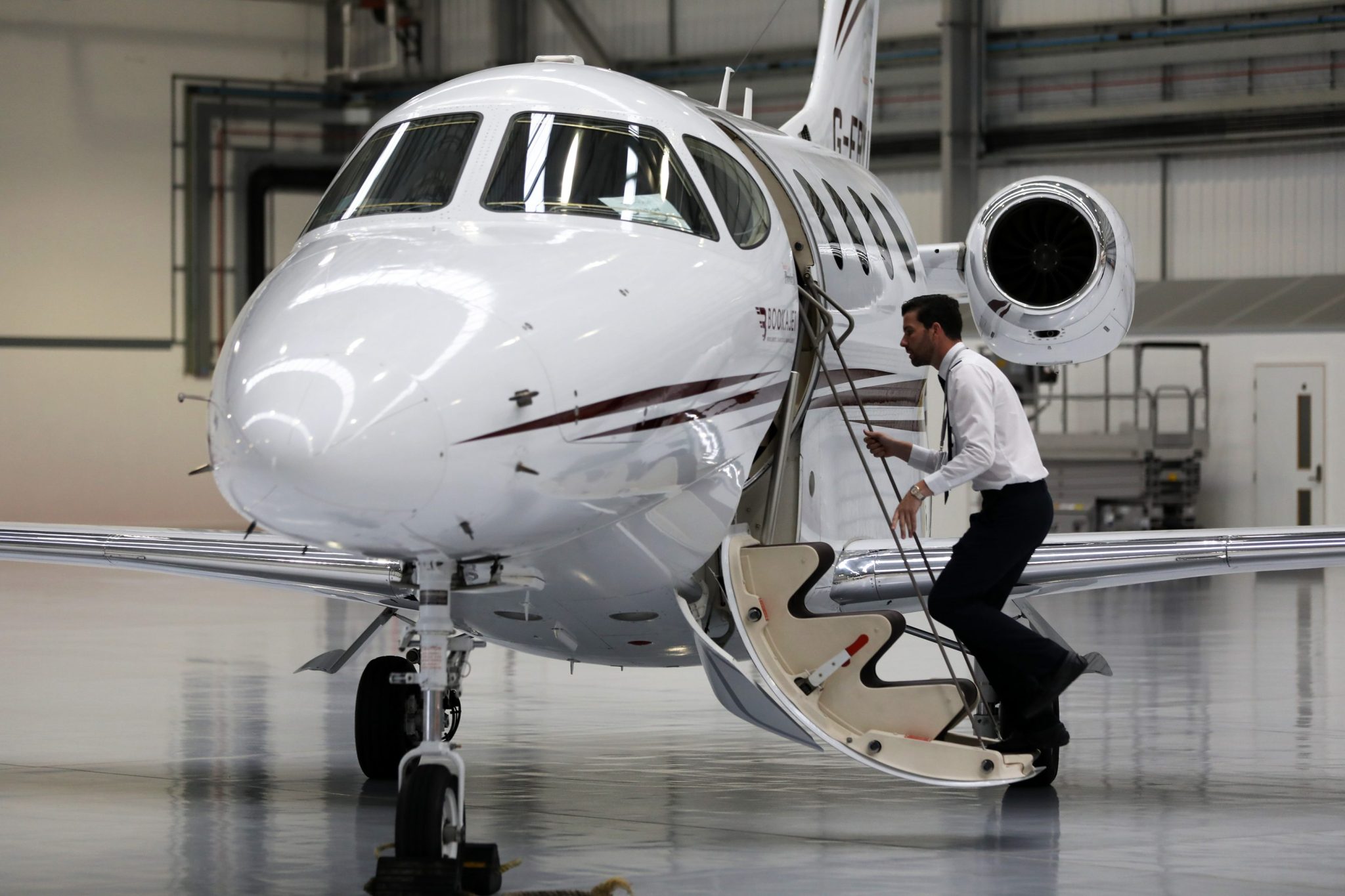
The private jet industry in America has experienced a boom, with sales reaching $40.3 billion in 2025, a 24% increase over five years. This growth is partly due to significant tax advantages. Private jets, primarily owned by the ultra-wealthy, are not subject to the same ticket taxes as commercial flights. This results in a "taxpayer subsidy" for private aviation, as reported by the Institute for Policy Studies (IPS).
These jets contribute only 0.6% of taxes flowing into the fund that finances them, despite handling 7% of flights.
The IPS estimates that approximately 256,000 individuals, or 0.003% of the global population, hold $31 trillion in wealth and benefit from this arrangement. They enjoy tax breaks on aircraft purchases, publicly-funded airport infrastructure, and an aviation-tax system that benefits private jets more than commercial travelers relative to their flight share.
Chuck Collins, coauthor of the IPS report, stated that the wealthy benefit from three main sources of tax breaks: depreciation allowances, publicly-funded infrastructure, and a tax system where private jets contribute less than commercial jets per flight.
The restoration of 100% bonus depreciation for qualifying business assets, including private aircraft, under President Donald Trump’s One Big Beautiful Bill Act has further fueled this trend. This provision allows eligible buyers to deduct the full cost of a jet in the year it is put into service, reducing federal tax liability by up to $14.8 million for a $40 million jet, depending on the buyer's income and other circumstances. However, the total federal tax revenue forgone due to this tax provision remains unknown.
In addition to federal tax benefits, eight states offer exemptions or near-total exemptions on private jet purchases, with Massachusetts estimated to lose $25.3 million annually due to the aircraft exemption. Lawmakers in Massachusetts are considering repealing the exemption, while the National Business Aviation Association (NBAA) strongly defends these tax breaks, arguing they support jobs and lobby against state taxes on private jet purchases.
The NBAA lobbied for a 10% luxury tax on aircraft worth more than $500,000 to be repealed, successfully blocking its implementation in Washington.
Written by urgent.news from Fortune's reporting — not their text. Machine-written — may contain errors; check the original before relying on it.