US-led coalition ends mission in Iraq
BAGHDAD: Iraqis celebrated the departure of US forces after more than two decades of war on Wednesday, though many feared that any security vacuum could increase the power of Iran-backed group or provide an opening for the return of Islamic State. The withdrawal of the final troops, mainly from an airbase in Erbil in the semi-autonomous Kurdish region, ended the biggest US war of the century,…
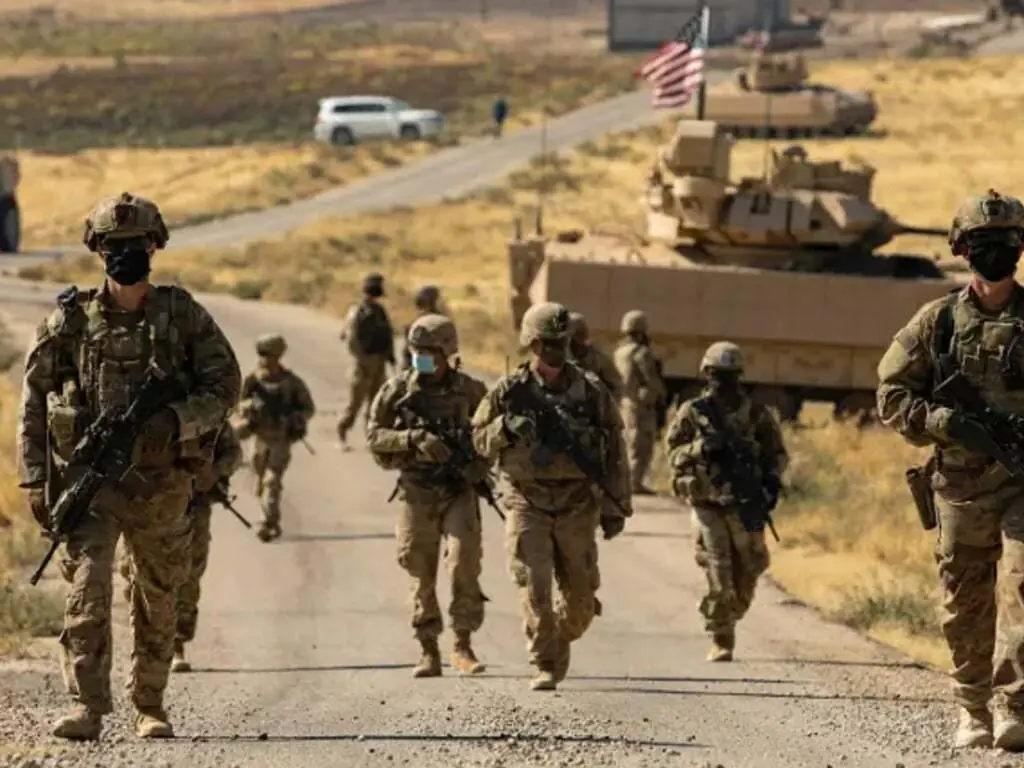
On Wednesday, the United States-led coalition concluded its mission in Iraq after more than two decades of conflict. Although Iraqis celebrated the departure of US forces, concerns lingered about the potential rise of Iran-backed groups and the resurgence of the Islamic State in the ensuing security vacuum. The withdrawal, which took place at an airbase in Erbil, marked the end of the US's most extensive war in the 21st century, a conflict that caused extensive destruction and chaos, from which Iraq has yet to fully recover.
Iran, which has grown its influence in Iraq through allied groups, views the US pullout as a victory for its "axis of resistance" across the Middle East.
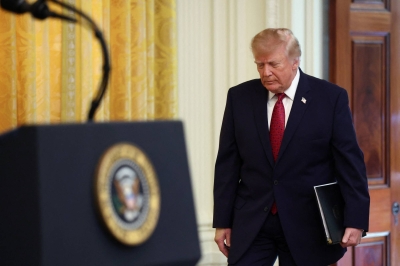
Iraqi troops marched through Baghdad and Najaf to commemorate the withdrawal, with residents expressing joy at the end of the longest US war in history. However, they also urged powerful militia groups to disarm and for the government to assume responsibility for security. President Joe Biden agreed on a 2024 withdrawal plan, but the decision had been implemented by then-President Donald Trump even as the US waged a war against Iran.
Over 4,500 US troops lost their lives in Iraq, and more than 200,000 civilians perished. The Pentagon stated that the US and its coalition partners would continue to provide limited training and intelligence support to Iraqi forces.
While the departure of US forces is generally welcomed by Iraqis, some are wary that security forces trained and funded by the United States may still be unable to protect the nation. Analysts worry that security vacuums can be extremely dangerous and that militiamen outside the state's control could pose a threat. The US withdrawal has also raised concerns that Iran's proxies might gain more influence, potentially leading to increased expansion of their roles within key institutions.
Iraq's security institutions now face the challenge of preparing for post-coalition stability, as the last US withdrawal saw the Iraqi army struggle against the Islamic State during the 2014 capture of Mosul.
Written by urgent.news from Business Recorder's reporting — not their text. Machine-written — may contain errors; check the original before relying on it.