A dangerous loophole awaits agrarian reform law
Behind the reformist rhetoric of Indonesia’s new Agrarian Law lies a dangerous corporate loophole: a legal apparatus designed not to return land to the people, but to legitimize its capture by the powerful.
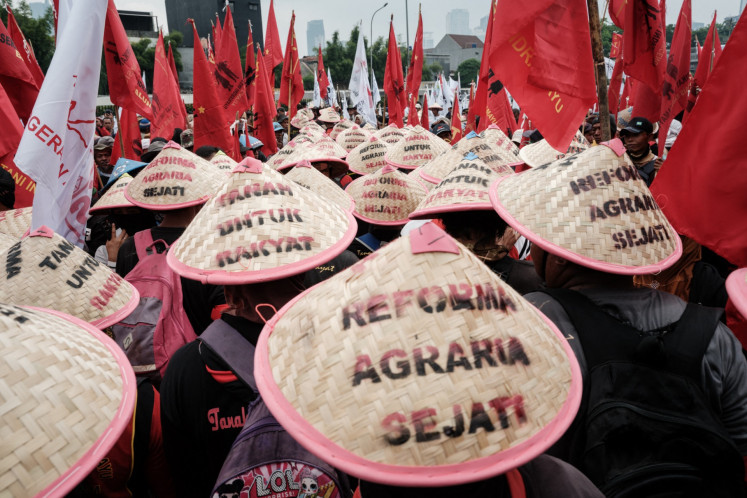
Critics highlight a gaping corporate loophole in Indonesia's newly passed Agrarian Reform Law. Framed as a bold step forward by lawmakers and the government, the legislation promises to settle long-standing land disputes and reshape ownership. However, behind this optimistic rhetoric lies a hidden flaw. While the law aims to redistribute assets and democratize land use, its institutional safeguards prove fragile upon closer inspection.
Spatial political economy analysis reveals a structural contradiction. The law, though framed to benefit smallholder farmers, traditional fishers, and indigenous communities, risks carving out an expansive corridor for agribusiness oligarchs and extractive conglomerates to secure territorial control. This shift starkly contrasts with the 1960 Basic Agrarian Law, which viewed land as the state's public trust to prevent excessive concentration and protect its social function.
The 2026 law pivots toward a market-driven logic, treating land primarily as an economic commodity for private investment. While the government pledges to curb excessive holdings by private conglomerates and SOEs, the legal architecture introduces loopholes that invite moral hazard and legitimize sweeping land consolidation. Despite provisions for ownership limits, no explicit numerical ceiling is set.
Instead, thresholds are left to government regulations, creating a vulnerable bargaining arena for agribusiness and mining lobbies to negotiate generous, malleable caps.
Written by urgent.news from The Jakarta Post's reporting — not their text. Machine-written — may contain errors; check the original before relying on it.