Toronto board of trade calls for regulatory reforms to spur housing growth
The Toronto Region Board of Trade is urging the province to amend zoning and building code rules as it says Ontario is on pace to fall well short of its new home goal.
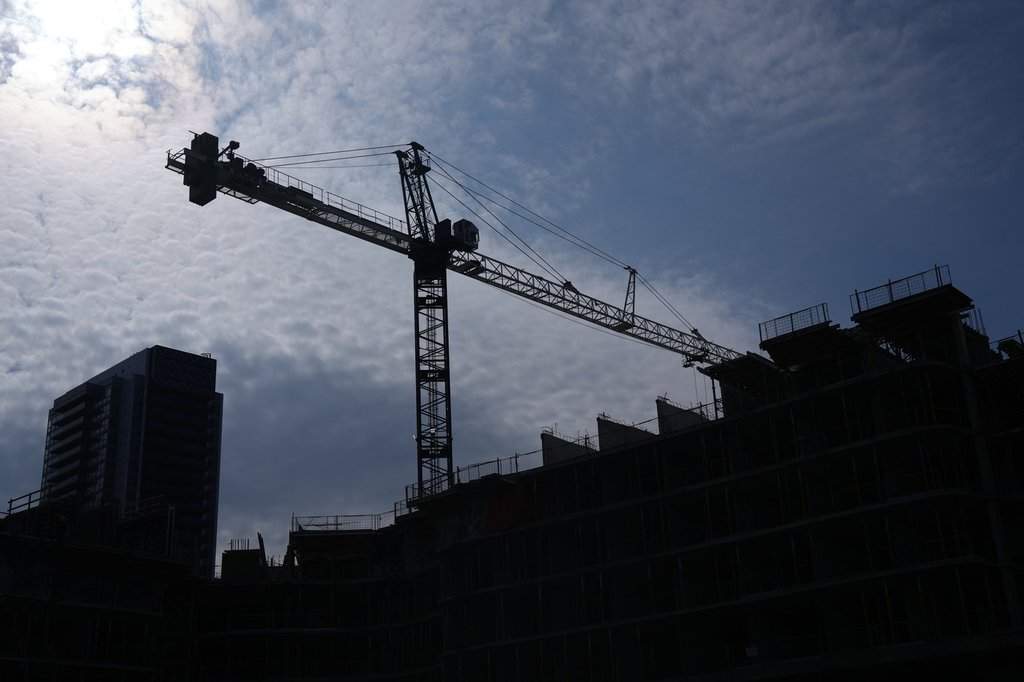
The Toronto Region Board of Trade is calling for regulatory reforms to accelerate housing growth in Ontario. In a report published Thursday, the board argues that the province's target of building at least 1.5 million new homes by 2031 is unattainable based on current zoning and building code rules. Ontario is projected to fall short by more than 550,000 homes by 2029, according to budget forecasts.
Board president and CEO Giles Gherson says the housing gap remains very large, despite efforts to close it. He emphasizes that the current zoning and building code rules are fragmented and outdated across the province, causing significant delays and added costs to housing development. Toronto, in particular, faces dozens of different requirements from various municipalities, making it challenging to standardize production.
The board recommends developing a provincial zoning code that provides all municipalities with a consistent framework and terminology. This code would set a baseline for housing types that can proceed without special approval, starting with townhouses and multiplexes. It would also establish provincewide limits on rules that often block housing, such as parking, setbacks, lot coverage, height, density, and placement of upper storeys.
Additionally, the report suggests key changes to building codes, recommending an assessment of each requirement's cost to build, run, and maintain over the building's life. The board also proposes allowing single-stair buildings up to six storeys and smaller elevators in smaller buildings, as long as safety and accessibility are prioritized.
Gherson points to other Canadian cities like Edmonton as evidence that a less fragmented model can lead to meaningful housing growth. He notes that Edmonton has more flexible zoning and fewer zoning codes, which encourages a mix of single-family dwellings and multiplexes in various neighborhoods.
The housing affordability crisis in Toronto persists even as prices have declined in recent months. The Toronto Regional Real Estate Board reported that the average selling price in the Greater Toronto Area was $993,410 in August, down 2.7% year-over-year. However, home prices have risen significantly faster than inflation since 2006, increasing by around 187% compared to inflation's 51% increase during the same period.
The board emphasizes that durable affordability depends on increasing the supply of homes, as recent affordability gains are likely to be temporary without continued housing construction.
Written by urgent.news from Global News's reporting — not their text. Machine-written — may contain errors; check the original before relying on it.
Also reported by 3 other outlets
- Toronto board of trade calls for regulatory reforms to spur housing growth globalnews.ca
- Toronto board of trade calls for regulatory reforms to spur housing growth toronto.citynews.ca
- Toronto board of trade calls for regulatory reforms to spur housing growth winnipegfreepress.com